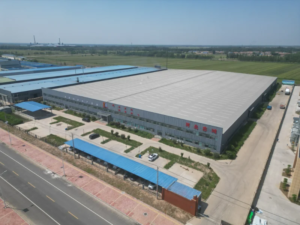
Suministramos láminas de HDPE y piezas fabricadas según plano para proyectos industriales y comerciales. Un panel protector, una superficie de corte y una guía de transportador pueden tener diferentes requisitos de material y diseño. Indíquenos la función de la pieza, cómo se apoya y a qué condiciones estará expuesta.
Utilice la tabla de aplicaciones para preseleccionar un material y, a continuación, defina las condiciones de servicio y los requisitos de la pieza terminada para solicitar un presupuesto.
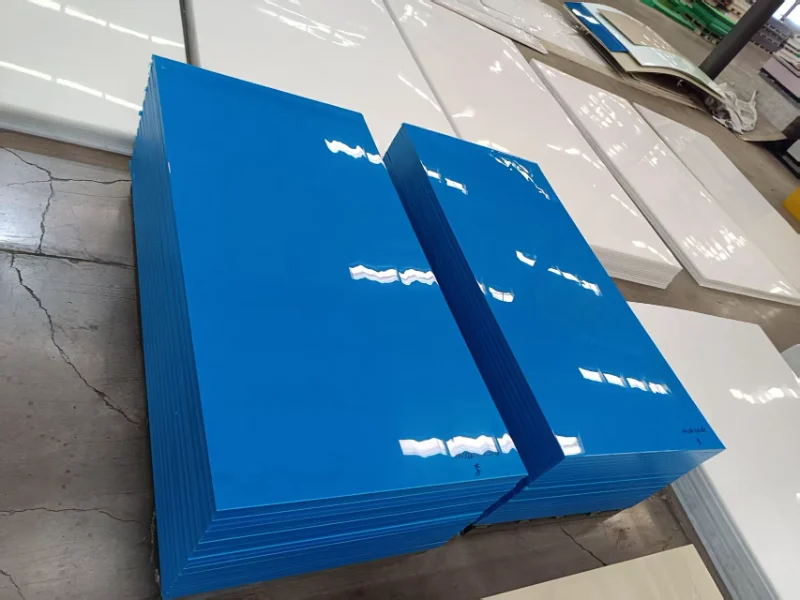
Selección del HDPE por aplicación industrial
| Aplicación | Por qué considerar HDPE | Comprobaciones críticas |
|---|---|---|
| Cubierta del equipo o panel protector | Tenacidad, baja absorción de agua y corte sencillo | Requisitos de función de seguridad, tramo sin soporte, impacto, fijación, visualización y protección contra incendios. |
| Revestimiento de canal o tolva | Superficie de baja fricción y capa de desgaste sustituible | Material a granel, velocidad de deslizamiento, impacto, temperatura y tasa de desgaste |
| Revestimiento de depósito, bandeja o panel de zona húmeda | Resistencia a muchos productos químicos acuosos y a la humedad | Sustancia química exacta, concentración, temperatura, apoyo y soldadura |
| Guía de transportador o banda de desgaste | Mecanizabilidad y comportamiento al deslizamiento en servicio moderado | Carga, velocidad, contracara, lubricación y posible preferencia por UHMWPE |
| Panel exterior o componente marino | Baja absorción de agua y rendimiento ante impactos | Grado estabilizado contra UV, temperatura, soporte estructural y fijación |
| Tabla para procesamiento de alimentos | Superficie mecanizable y baja absorción de agua | Documentos correspondientes a la formulación exacta y a las condiciones de contacto alimentario, criterios de limpieza y sustitución |
| Bloque o separador mecanizado por CNC | Buena mecanizabilidad y resistencia a la corrosión | Tolerancia final, planitud, fluencia, dilatación térmica y carga |
| Placa de acceso temporal | Material tenaz y reutilizable | Condiciones del terreno, cargas de tráfico, tracción, conexiones y diseño del sistema completo de placas de acceso |
Utilice la tabla para preseleccionar materiales, no para aprobar una instalación terminada. El diseñador del proyecto debe evaluar las piezas portantes, las protecciones de la maquinaria y las placas de acceso teniendo en cuenta el grado de material, los apoyos, las fijaciones y las condiciones de servicio reales.
Seleccione el grado adecuado para la carga y las condiciones de exposición
Exposición a productos químicos y humedad
Indíquenos los productos químicos exactos, sus concentraciones, las temperaturas de funcionamiento y limpieza, la duración del contacto y la tensión aplicada. El HDPE resiste muchos productos químicos acuosos, pero una clasificación general de resistencia química no garantiza su idoneidad en todas estas condiciones simultáneamente.
Temperatura y rigidez
Revise conjuntamente el espesor del panel, la distancia entre apoyos y la deflexión admisible. El HDPE pierde rigidez a medida que aumenta la temperatura, y las cargas sostenidas requieren una evaluación específica del grado de material. Para servicio químico a temperaturas más elevadas, compare grados de PP-H adecuados con nuestra guía de HDPE y PP para tratamiento de agua.
Impacto, desgaste y fluencia
El impacto, el desgaste por deslizamiento y la fluencia requieren comprobaciones independientes. La fluencia es una deformación dependiente del tiempo bajo carga sostenida; la carga repetida también requiere una evaluación específica. Para aplicaciones exigentes de deslizamiento, compare un grado de UHMWPE resistente al desgaste teniendo en cuenta el material que se desplaza o la superficie de contacto, la velocidad, la carga y el criterio de sustitución. Una pieza sometida a cargas elevadas podría requerir otro material o una menor distancia entre apoyos.
Uso exterior, comportamiento al fuego y conformidad
Para uso en exteriores, especifique la exposición a los rayos UV y cualquier requisito de retención del color; la estabilización UV no garantiza que el panel nunca se decolore. Si el proyecto requiere clasificación contra incendios, declaración de contacto con alimentos o propiedades eléctricas, indíquenos la norma y las condiciones requeridas. Solicite que confirmemos la documentación de respaldo disponible para el grado y la formulación ofrecidos antes de realizar el pedido.
Especificar el aspecto y el ajuste para paneles comerciales.
Para mobiliario comercial, soportes para señalización, superficies de taller y paneles recreativos, identifique las caras visibles y cómo se sujeta y fija el panel. Los paneles grandes requieren un margen para la dilatación térmica; las secciones sin soporte pueden ceder. Acuerde los requisitos de color y superficie antes de la producción, en lugar de juzgar el pedido final basándose únicamente en una pequeña muestra.
- Definir uso interior o exterior y rango de temperatura
- Indicar tamaño, distancia entre apoyos, fijación y acabado de bordes
- Identifique las caras visibles y determine si se requiere película protectora; debe confirmarse la disponibilidad de la película.
- Indique el mercado de destino y la documentación necesaria para el contacto con alimentos o cualquier otro uso regulado.
- Confirmar productos de limpieza y requisitos de superficie
Para tablas de cortar y superficies de trabajo en contacto con alimentos, especifique el alimento previsto, el tiempo de contacto, la temperatura y el ciclo de limpieza. Nuestra guía de compra de HDPE para contacto alimentario explica qué documentación solicitar para la formulación del material que se vaya a pedir. El color por sí solo no demuestra la conformidad.
Cuándo el HDPE puede no ser la mejor opción
| Requisito | Material o diseño que debe compararse |
|---|---|
| Equipo químico a mayor temperatura | PP-H u otro termoplástico compatible, con datos del grado específico |
| Abrasión severa por deslizamiento | UHMWPE y comparación de vida frente al desgaste |
| Alta rigidez con una gran distancia entre apoyos | Apoyo adicional, plástico más rígido o estructura metálica |
| Clasificación específica de reacción al fuego | Grado ignífugo ensayado u otro material con la clasificación requerida |
| Protección transparente | Un material transparente evaluado para el riesgo, los impactos, la exposición química y los requisitos de visibilidad |
| Alta precisión dimensional bajo carga continua | Material y diseño verificados en cuanto a rigidez, fluencia y variación dimensional con la temperatura |
Compare las opciones de material con nuestra comparación de HDPE, PP y PVC. Compruebe el grado ofrecido teniendo en cuenta todas las condiciones de servicio antes de elegir el material definitivo.
De la placa completa al componente terminado
Las láminas completas, las piezas en bruto cortadas y las piezas acabadas requieren especificaciones diferentes. Un simple rectángulo puede requerir solo el corte a medida; los cajeados, los agujeros muy próximos y los perfiles mecanizados requieren un plano acotado. Para los conjuntos soldados, especifique las uniones, las condiciones de servicio y las comprobaciones de aceptación para que podamos confirmar el alcance de la fabricación. Un presupuesto no implica la aprobación del diseño final.
Especifique las dimensiones finales, los elementos de referencia, las tolerancias, las aristas y los puntos de inspección, incluida la temperatura de medición y las condiciones de apoyo cuando afecten al resultado. Prevea un espesor inicial suficiente para el mecanizado necesario. Nuestra guía para solicitar presupuesto de láminas de HDPE a medida detalla los datos de la lámina, el plano, la inspección y la entrega que debe enviarnos.
Lista de datos para solicitar presupuesto
| Aplicación | Función de la pieza, entorno y vida útil prevista |
|---|---|
| Condiciones | Carga, apoyo, temperatura, productos químicos, desgaste y exterior |
| Lámina | Grado, si se conoce, color, superficie, espesor, largo y ancho |
| Detalles de la pieza | Número de plano y revisión, alcance del mecanizado o soldadura, tolerancias y acabado |
| Cumplimiento | Normas requeridas, alcance del documento y cualquier necesidad de identificación o trazabilidad de lotes. |
| Cantidad | Muestra, primer pedido y demanda prevista para pedidos posteriores |
| Entrega | Lugar de entrega, Incoterm, restricciones de embalaje y fecha requerida |
Tras revisar sus especificaciones, suministramos láminas industriales de HDPE y realizamos corte o mecanizado según plano. En el presupuesto confirmamos el grado ofrecido, las dimensiones, las tolerancias, el alcance de la fabricación, la cantidad mínima de pedido y la documentación disponible.
Preguntas frecuentes
¿Una lámina de HDPE más gruesa siempre es mejor?
No. El espesor puede reducir la deflexión o añadir margen de desgaste, pero también aumenta el peso y el coste. La distancia entre apoyos, la temperatura, el grado y la carga deben revisarse en conjunto.
¿El mismo grado de PEAD puede usarse en interiores y exteriores?
Solo si el grado seleccionado es adecuado para ambos entornos. Confirme la exposición a los rayos UV en exteriores, el rango de temperatura y cualquier evidencia requerida de resistencia a la intemperie o retención del color para la formulación ofrecida.
¿Pueden preparar un presupuesto para una pieza acabada?
Envíenos el plano actual, los requisitos de material, la cantidad, las tolerancias críticas y las necesidades de inspección y embalaje. Revisamos el alcance de la fabricación y confirmamos lo que podemos ofrecer; la aprobación final del diseño recae en el diseñador responsable.
Solicite un presupuesto para láminas o piezas de HDPE. Envíenos la aplicación, las condiciones de servicio, las dimensiones o el plano, la cantidad y el destino.