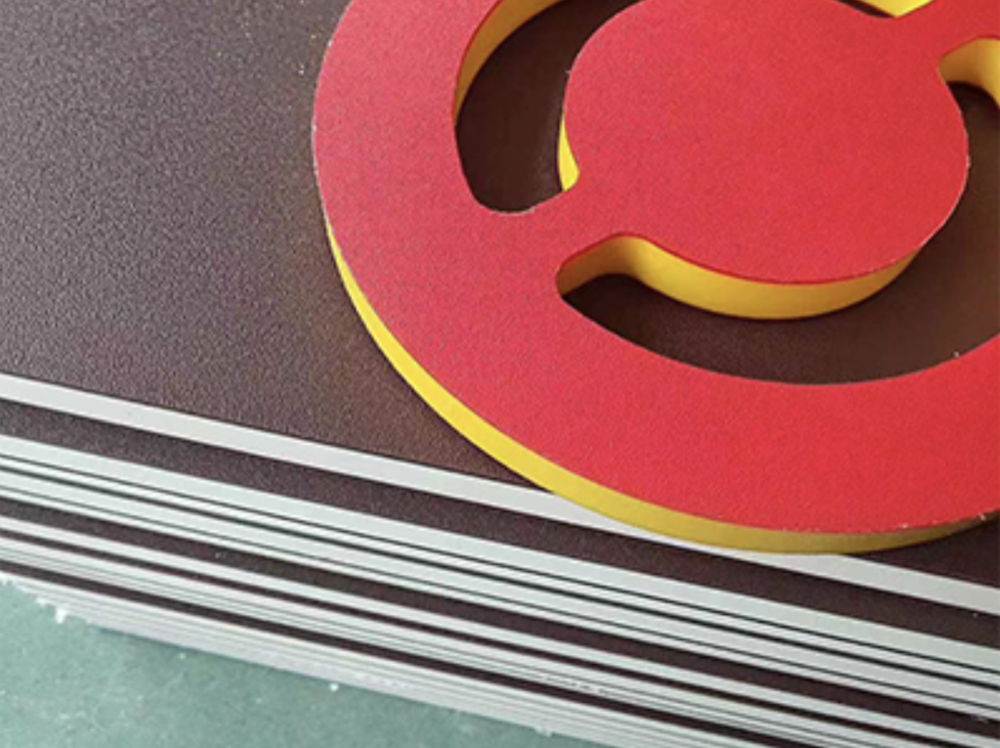
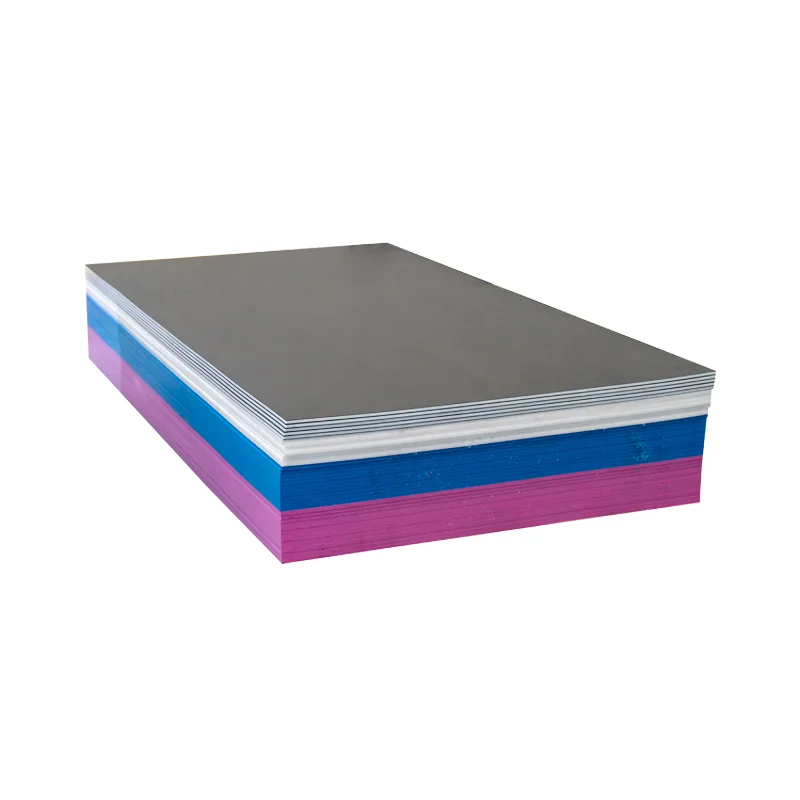
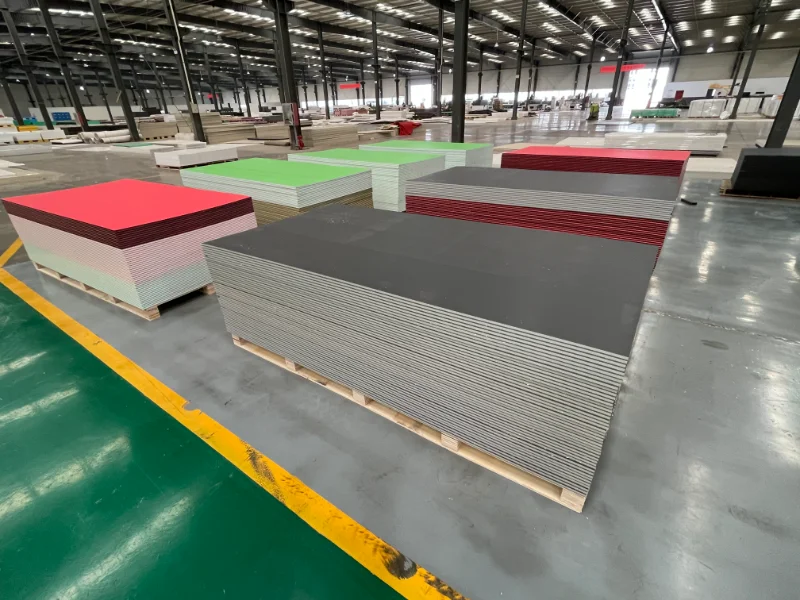
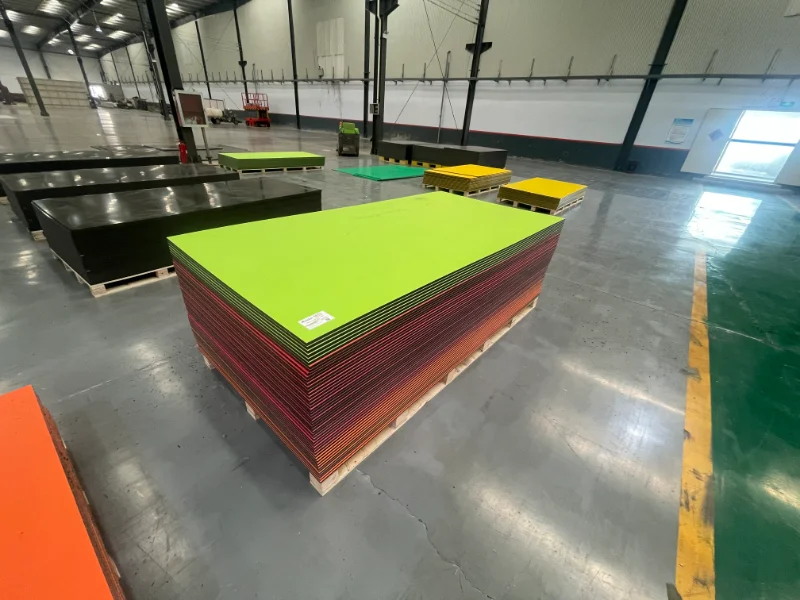
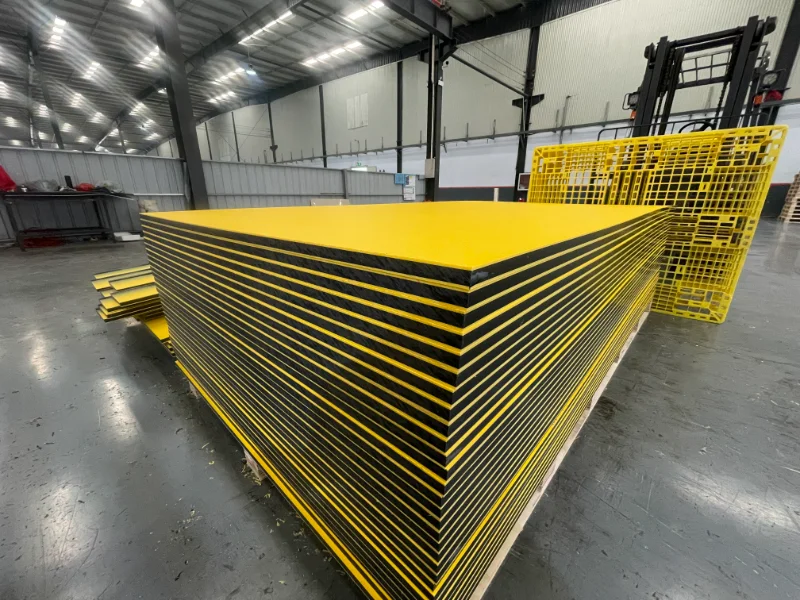
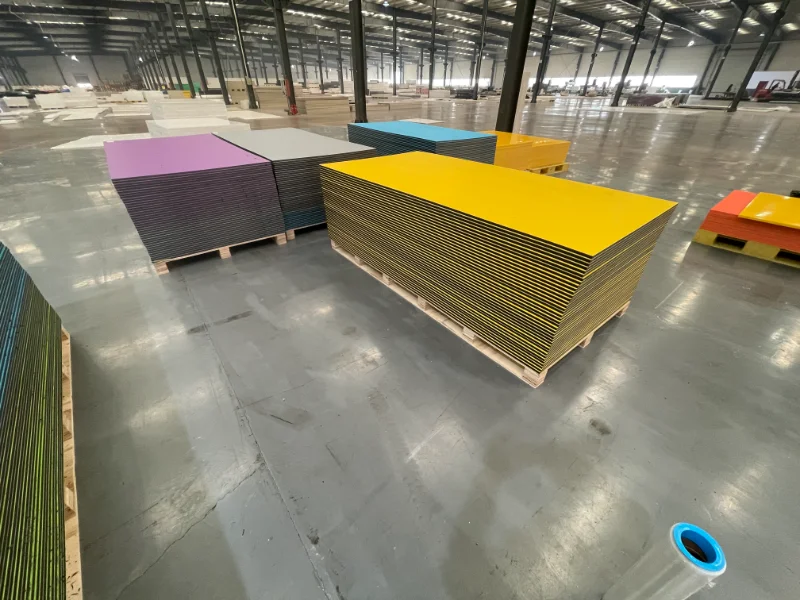
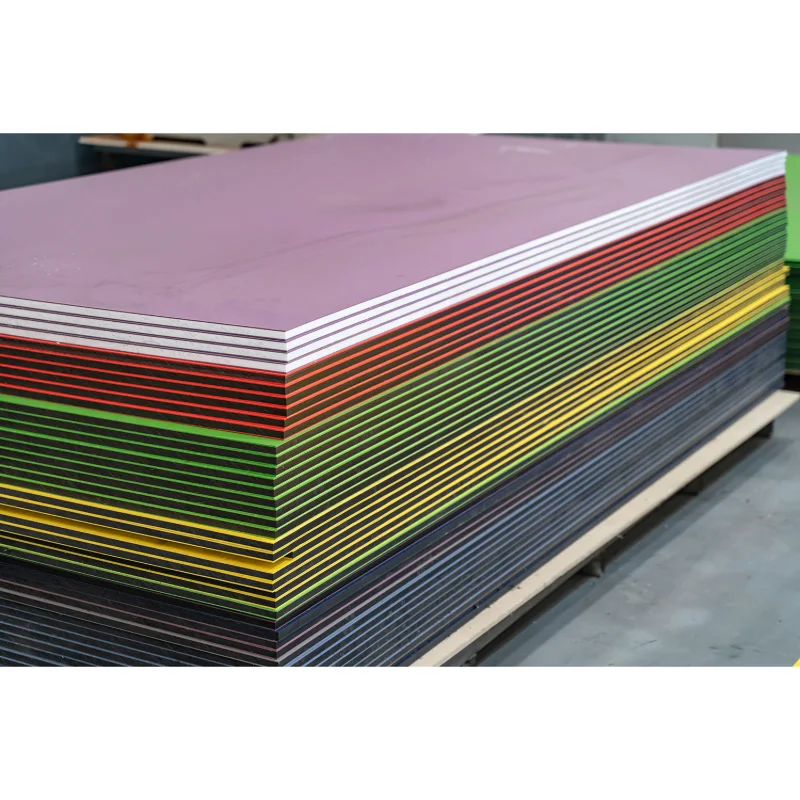
A two-color HDPE engraving sheet—also called a two-tone HDPE sheet or HDPE engraving board—uses a thin contrasting surface layer over a solid HDPE core. When a CNC router removes the surface layer, the core becomes the lettering or graphic. The result is a durable, low-maintenance sign face without a separate paint-filling step.
Zhihong Plastic supplies unmachined panels, cut blanks and routed parts made to a drawing. The approved quotation records the color construction, sheet thickness, finish, tolerances, quantity and any required material documents. Cap thickness and the number of engravable faces vary by construction, so these details should be confirmed before artwork and toolpaths are finalized.
Specify the Sheet Before Ordering
The following choices have a direct effect on engraving contrast, appearance and installed performance:
- Cap and core colors: identify which color remains on the face and which color is revealed by routing. For custom colors, provide a physical sample or a RAL/Pantone reference for feasibility review.
- Engraving faces: confirm whether the sign is engraved on one face or both. Do not assume that both sides use the same cap construction.
- Total thickness and panel size: choose these from the installed span, support method and expected handling rather than appearance alone.
- Engraving depth: state the required cap exposure or provide a finished sample. A trial cut is useful before a repeat production run.
- Surface: a matte or lightly textured face can reduce glare and disguise handling marks, while the selected finish may affect fine-detail engraving.
- Service environment: tell us whether the part will be indoors, outdoors, near salt water, exposed to cleaning chemicals or used across a wide temperature range.
Applications That Fit Two-Color HDPE
The material is commonly selected where moisture resistance, impact tolerance and easy cleaning matter more than a rigid, polished appearance. Typical projects include:
- facility wayfinding, room identification and directional signs;
- machine labels, equipment identification and maintenance markers;
- marina, dock, campground and park signage;
- recreation panels and public-area information boards;
- serial plates, valve tags and custom routed nameplates.
For regulated safety signs, fire-exit systems or traffic applications, the buyer should provide the applicable color, visibility, flammability and marking standard. The base material and an engraved message alone do not establish regulatory compliance.
CNC Engraving and Installation Guidance
Mechanical routing is the normal way to produce the contrasting graphic. A sharp cutter, stable workholding and chip evacuation help control edge quality and heat build-up. Tool diameter, spindle speed, feed and engraving depth should be proven on the actual sheet construction before the production batch.
- Fine text: confirm the minimum stroke width, inside corner radius and letter height against the selected cutter.
- Fastening: HDPE expands more with temperature than metal or acrylic. Allow suitable hole clearance or slots, support large panels and avoid over-tightening fasteners.
- Bonding: HDPE has low surface energy. Mechanical fixing is usually more predictable; adhesive assembly needs surface preparation and a system qualified for the load and environment.
- Laser processing: routing is preferred. Laser cutting or engraving should be considered only after the equipment owner validates the exact grade, fume extraction and fire controls.
Two-Color HDPE vs Acrylic and PVC Sign Board
Two-color HDPE is useful for wet, high-contact and impact-prone locations. It resists moisture and has low water absorption, but it is less rigid than acrylic and needs allowance for thermal movement.
Acrylic provides a stiff panel and a polished visual finish. It can be a better fit for premium interior graphics, although edges and fixing points require care where impact is expected.
Expanded PVC board is lightweight and widely used for printed displays. Outdoor life, stiffness and impact performance depend on grade and thickness. The best substrate therefore depends on the installation, not on a single headline property.
Color Matching and Repeat-Order Control
Standard color combinations are the fastest route for many projects. Custom colors can be reviewed against a RAL/Pantone reference or, preferably, a physical master sample. Feasibility, color tolerance and MOQ are confirmed before production. Because screens and lighting change perceived color, a digital image should not be the sole approval reference.
For repeat programs, record the approved color pair, surface, construction and order code. If appearance is critical, ask for a production sample or agreed retention sample so later batches can be compared on the same basis.
What to Send for an Accurate Quotation
- finished sign or sheet dimensions and total thickness;
- cap color, core color and one- or two-face engraving requirement;
- indoor/outdoor location and expected temperature or chemical exposure;
- surface finish and UV or other grade requirement;
- DXF, DWG or dimensioned drawing for cut or routed parts;
- engraving depth, minimum text size and any first-article requirement;
- order quantity, packing needs and delivery country or postcode;
- required inspection report, material declaration or other documents.
We will use this information to confirm the available construction, manufacturable tolerances, MOQ, lead time, packing method and quotation basis. If a detail is still open, state the application and we can identify the decisions that must be resolved before production.
Order-Specific Quality Checks
Inspection is agreed against the purchase order rather than a generic marketing claim. Depending on the supply scope, checks can include:
- overall dimensions and thickness;
- approved cap/core color and visible contrast;
- surface condition, quantity and identification;
- critical routed dimensions and a first-article check for machined parts;
- packing protection and the documents listed on the order.
Frequently Asked Questions
Is two-color HDPE suitable for outdoor signs?
It can be, when the selected construction and pigments are intended for outdoor exposure. Send the location, expected service period and color requirement so UV-stabilized availability and documentation can be confirmed. A project-specific evaluation is still appropriate for critical color retention.
Can both faces be engraved?
One-face and two-face constructions are possible product configurations, but availability depends on the requested colors, thickness and MOQ. State both face requirements in the RFQ and drawing.
Is standard two-color HDPE flame-retardant?
Do not assume it is. If the project has a fire-performance requirement, provide the exact test standard, rating and required certificate before quotation. See our flame-retardant HDPE sheet page for the separate grade discussion.
Can you supply routed signs and cut parts?
Yes, drawing-based cutting, drilling and routing can be quoted. Send vector artwork or a dimensioned drawing together with the material construction, quantity and critical tolerances. We will confirm the machining scope and first-article plan.
Request a Two-Color HDPE Engraving Sheet Quote
Review the wider two-color HDPE sheet range, or send your RFQ with the color pair, construction, dimensions, quantity and destination. Zhihong Plastic will reply with the available grade, production scope, MOQ, lead time and documents for confirmation.