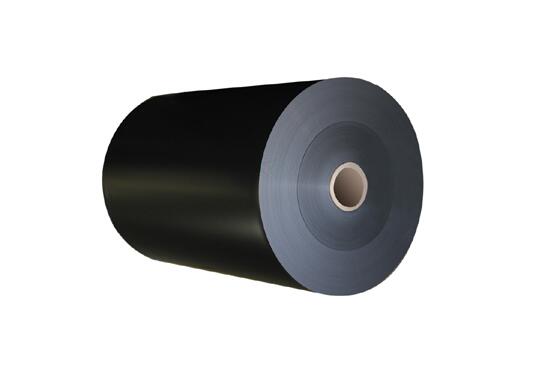


Flame-retardant HDPE sheets use a dedicated polyethylene formulation to meet a specified burning-behavior requirement. Selection combines fire-test evidence with the moisture, load and processing requirements of the part. Flame-retardant does not mean non-combustible, fireproof or smoke-free.
Zhihong Plastic supplies full sheets, cut panels and CNC-machined parts from buyer drawings. The proposed FR grade is reviewed against the requested test method, classification, thickness, color and documents before quotation. Availability of a suitable formulation and evidence must be confirmed for the order.
Define the fire test, not just the FR label
A fire classification describes behavior under the conditions of a particular test. For example, UL 94 evaluates small plastic specimens used in parts for devices and appliances; it does not establish an hourly fire-resistance rating for an installed wall or door. State the method and classification required by the project rather than treating different fire tests as interchangeable.
- Match the report to the grade code, tested thickness, color restrictions, specimen orientation and laboratory identification.
- Distinguish a material test report from certification or approval of the finished panel, enclosure or assembly.
- Have the buyer's project engineer or responsible approval body confirm whether the material and evidence satisfy the installation requirements.
If the specification says only FR plastic or fire-retardant HDPE, define the test method and acceptance criteria before selecting the sheet. A generic description is not enough to establish suitability.
Select for load, chemicals and exposure
Fire behavior is one part of material selection. Assess working temperature, moisture, cleaning chemicals, mechanical load and indoor or outdoor exposure together. An FR formulation can differ from general-purpose HDPE in physical properties, color, surface and processing; use data for the offered grade rather than assuming the standard sheet's properties apply.
- For outdoor use, review UV-stability evidence for the actual formulation, color and exposure.
- For chemical contact, identify the substance, concentration, temperature, contact duration and mechanical stress; critical service may need representative testing.
- For anti-static or ESD duties, define electrical resistance and the measurement method separately. Evidence must cover the combined FR and electrical requirements.
- For food or drinking-water contact, request the applicable documentation for the exact offered grade; a fire-test result does not establish that compliance.
Sheet formats and fabrication
Full-sheet dimensions, cut-panel sizes, color and surface depend on the selected formulation and order. Confirm the required thickness and the scope of the supporting fire-test evidence before finalizing the drawing. A general catalog size or standard-HDPE specification does not define an FR sheet's supply range.
Cutting, drilling and CNC routing can be quoted from a dimensioned drawing. Identify datum surfaces, hole positions, edge details, flatness and functional tolerances. Allow for HDPE's thermal movement and appropriate panel support. If machining leaves a thinner wall or the part will be welded, check that the final geometry and joining process are compatible with the grade and relevant evidence.
Industrial uses and design limits
Flame-retardant HDPE can be considered for equipment liners, non-metallic covers, cable-management panels, protective guards and fabricated components when the specified grade meets the project's requirements. Moisture, chemical contact, load and fixing design still matter; a fire classification alone does not make a sheet suitable for every enclosure or installation.
Do not treat an FR sheet as an independently rated fire barrier or a substitute for a tested wall, door, duct or enclosure assembly. Fire-resistance performance belongs to the relevant tested construction, including its joints, mounting and surrounding materials. Final use requires review of the finished design and applicable installation requirements.
Read the supporting fire-test evidence
- Identify the material manufacturer or supplier, grade code and report or recognition reference.
- Check the tested thickness and color scope against the sheet and the finished part being ordered.
- Read the stated method, classification and test conditions rather than accepting an FR label alone.
- Confirm any limits on pigments, additives or material changes; similar appearance does not establish the same performance.
- Check what the test actually evaluates. A small-scale burning classification does not by itself establish smoke performance or hourly fire resistance.
- Review other required properties separately, including electrical behavior, UV exposure and chemical compatibility.
Price comparisons are meaningful only when the offered grades, document scope, dimensions and fabrication are comparable. A lower price for an unspecified FR sheet may represent a different material or a different level of supporting evidence.
Information for an FR HDPE quotation
- Required fire-test method and target classification, copied from the project specification
- Required report, recognition, declaration or independent-laboratory conditions
- Thickness, width, length, color and surface finish
- Application, load, fixing arrangement, temperature, chemical contact and indoor or outdoor exposure
- Dimensioned drawing, revision and functional tolerances for fabricated parts
- Any combined ESD, UV, chemical or other performance requirement
- Quantity, sample or first-article needs, delivery destination and requested date
The quotation identifies the offered grade, available evidence, manufacturable dimensions, fabrication scope and commercial terms. If the requested classification or document scope is not supported, that gap must be resolved before the material is accepted for the project.
Inspection and traceability
Record the agreed grade, dimensions, tolerances, color, drawing revision and required documents on the order. Agreed shipment checks can include batch identification, size, surface, machined features, quantity and packing. Traceability links the delivered material to the agreed specification; a visual or dimensional inspection does not replace the relevant fire test.
Frequently asked questions
Does flame-retardant HDPE mean fireproof?
No. Flame-retardant HDPE is formulated for specified behavior in a defined test, not to make the material incapable of burning. It can still be exposed to conditions beyond that test. A classification does not replace evaluation of the finished installation.
Does one classification cover every thickness and color?
Not automatically. Read the thickness and color scope for the exact grade in the supporting report or recognition. Changing thickness, pigment or formulation can change the evidence needed; do not extrapolate from a visually similar sheet.
Can FR and ESD properties be combined?
Only if an available grade supports both requirements with the appropriate evidence. Specify the electrical resistance range and measurement method together with the fire-test requirement. Neither property implies the other.
Can standard HDPE replace an FR grade if it looks the same?
No. Color and appearance do not identify a flame-retardant formulation or its test performance. Use the agreed grade and traceability, and review any proposed substitution before production.
Discuss a flame-retardant HDPE sheet project
Review the standard HDPE sheet page if your project has no fire-performance requirement. Send the required fire test, classification, thickness, color, drawing, quantity and destination for an FR HDPE quotation. Zhihong Plastic will review the available grade, supporting evidence and fabrication scope against your specification.