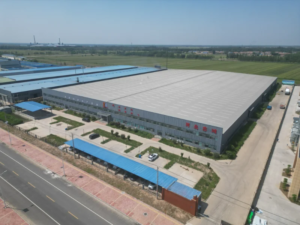
HDPE sheet can be a practical choice for panels, fabricated tanks and selected equipment parts, but the application determines the grade. Our polyethylene sheet range is a starting point for discussing the sheet or finished part you need. HDPE, HMWPE and UHMWPE are different material choices; a drawing that calls for one should not be quoted as another without agreement.

Common Uses of HDPE Sheet and Grade-Selection Limits
1. Food Processing and Component Selection
Food contact, cleaning conditions and wear duty matter more than a generic plastic description. For HDPE components, tell us what the part touches, how it is cleaned and whether it slides against another surface. Food-contact suitability depends on the specific formulation, supporting documentation and intended use—not simply on the name HDPE.
- Food-line covers and spacers: identify contact with food, packaging or cleaning chemicals
- Sealing or spacing parts with the medium, temperature and compression identified
- Cutting boards with the food-contact requirement, cleaning routine and surface finish specified
- Conveyor guides, star wheels or bushings with the sliding partner, speed and wear conditions described; these may call for HMWPE or UHMWPE rather than ordinary HDPE
2. Chemical Tanks and Process Equipment
HDPE is considered for some fabricated tanks, liners and wet-process equipment because suitable grades can offer chemical resistance and weldability. The chemical name alone is not enough: concentration, service temperature, exposure time and mechanical stress affect the choice. For a tank or welded assembly, include the design and joining requirements as well as the sheet dimensions.
- Machined valve or pump parts: identify the liquid, pressure, temperature and critical dimensions; HDPE is not a universal substitute for the specified material
- Gaskets, nozzles or filter parts: describe contact conditions and the required function, rather than assuming one grade suits every seal or fitting
- Tank walls and protective liners: state the stored medium, operating conditions and fabrication specification
3. Conveyors and Production Machinery
Polyethylene machine parts need different properties depending on whether they cover, support or slide. A static cover may be a suitable HDPE application, while a continuously sliding guide may need HMWPE or UHMWPE. We need the actual contact conditions to discuss a useful material option, not just a machine name.
- Conveyor guides and sliding strips: include the counterface, speed, load and exposure to abrasive particles
- Paper-machine covers and dewatering parts: use the equipment specification and required grade; a general HDPE sheet description does not establish suitability
- Textile-machine guides, spacers or protective panels: distinguish low-wear enclosure duty from moving contact and impact
4. Liners for Construction and Agricultural Equipment
Impact exposure, abrasive material and liner support help distinguish a protective panel from a demanding wear liner. Describe what hits or slides across the surface, how the panel is supported and how it attaches to the equipment. Thickness alone does not establish service life.
- Equipment liners exposed to soil or aggregate: describe the material flow and wear pattern before choosing the polyethylene grade
- Truck-body liners: include the carried material, loading method, temperature and attachment drawing
- Agricultural-equipment panels: identify the protected area and whether the sheet is a guard, lining or moving-contact part
5. Marine Panels and Port Equipment
HDPE panels may be considered for marine enclosures, non-structural partitions or other wet-service parts, with outdoor exposure and mounting conditions included in the specification. A sliding fender face or crane wear pad is a different duty: it can require a dedicated wear grade and a design review rather than ordinary HDPE.
- Boat or dock panels: specify the panel function, exposure, supports and fixing details; do not treat a sheet as an approved structural ship component
- Crane sliding pads: retain the equipment designer's material and load requirements rather than substituting HDPE by appearance
- Fender sliding faces and rollers: identify the system drawing and wear grade, which may be UHMWPE rather than HDPE
6. Machined Parts: Match the Material to the Duty
Load, friction and wear, and temperature affect a machined part differently from a static sheet panel. For a replacement part, give us the specified grade and drawing first. If a material change is proposed, the equipment design requirements still govern the decision.
- Gears and bushings: specify the mating part, movement, load and required grade; HDPE is not automatically the right bearing or gear material
- Sliding pads: describe contact and wear conditions; brake or clutch components require their own design-qualified material
- Spacers, hinges or couplings: include tolerances, fixing loads and the function of each feature
7. Sports Panels and Outdoor Equipment
- Rink boards and protective panels: distinguish impact-resistant side panels from a synthetic skating surface, which uses a material developed for that sliding duty
- Sled or sliding panels: specify the contact surface, wear conditions and temperature rather than assuming all polyethylene sheets perform alike
- Outdoor sports enclosures: include impact exposure, weathering, fixing details and any applicable equipment specification
8. Medical Uses Require Qualified Materials
Industrial HDPE sheet should not be treated as a qualified medical material. A medical-device specification must identify the grade, contact conditions and required evidence. Some joint implants use specially controlled medical-grade UHMWPE; that does not establish implant suitability for ordinary HDPE.
- External equipment housings: define the intended contact, cleaning or sterilisation conditions and device-manufacturer requirements
- Prosthetic or implant parts: use the device designer's specified, qualified material; do not substitute ordinary industrial HDPE
- Medical-device material selection needs evidence for the intended application, not only confirmation that the sheet can be machined.
HDPE Properties That Matter in Sheet Applications
- Chemical resistance: useful for selecting tank or liner grades, but compatibility must match the medium, concentration and service temperature
- Low water absorption: relevant to wet-service panels, with the finished-part fit and mounting requirements defined
- Electrical insulation: distinguish ordinary insulating sheet from conductive or antistatic grades when specifying the part
- Impact performance: compare grade test data at the intended temperature, especially for cold-service panels
- Machinability and welding: choose processes that suit the grade and geometry; tolerances and joint design belong in the specification
- Reuse and service cost: assess replacement frequency, wear, damage and cleaning rather than sheet purchase price alone
For static panels, focus on dimensions and support; for chemical-contact surfaces, on the medium and exposure; for sliding parts, on friction and wear; and for outdoor components, on weathering and fixing details. These priorities help us assess whether HDPE sheet fits the application.
Selection Checklist for an HDPE Sheet Enquiry
| HDPE application factor | What to specify for the HDPE application |
|---|---|
| Polyethylene grade identity | The drawing or material specification should distinguish HDPE from HMWPE and UHMWPE |
| Sheet colour and formulation | Specify the colour and any food-contact, weathering or electrical requirement; colour alone does not establish performance |
| Density or material identification data | Use data for the offered grade and the relevant test method, rather than a generic polyethylene value |
| Moisture exposure and dimensions | Describe wet or dry service and the finished-part dimensional requirements |
| Tensile loading and strength data | State the load case; any strength value needs the named grade, test method and test conditions |
| Deformation and fit requirements | Give the permissible deflection or dimensional change; elongation at break is not a working-load limit |
| Impact conditions for the application | Identify the impact type and service temperature, with relevant grade test data where the design requires it |
| Service temperature and duration | State continuous and intermittent temperatures and whether the part is loaded; a single generic temperature range is insufficient |
| Chemical contact conditions | Identify the substance, concentration, temperature and contact duration for the compatibility assessment |
| Surface finish for the task | Specify the required smoothness or texture and whether the surface slides, seals or contacts food |
| Required sheet thickness and tolerance | Give the nominal thickness and allowable variation for the drawing or fabrication method |
| Sheet outline and cutting plan | Provide the required length, width and quantity or a part drawing; dimensions offered are established for the enquiry |
For cut sheets or fabricated parts, include the finished dimensions and tolerances. The quotation should identify the proposed grade and the agreed supply scope.
From an Application to an HDPE Sheet Specification
To discuss an HDPE sheet or machined part, start with the job it has to do. Tell us whether it faces chemicals, repeated sliding, outdoor exposure or food contact. Those details show whether HDPE matches the duty or whether another material should remain in the specification.
Material and application: include the specified grade and actual service conditions
Sheet or part details: send dimensions, tolerances and the required surface
Order details: give the quantity, destination and requested delivery date
For a sheet or fabricated-part enquiry, send us your application and drawing. We can discuss the proposed material and supply scope from those details.
HDPE Order Details: Dimensions, Inspection and Packing
- Sheet and machining details: specify thickness, outline, colour, surface, holes and finished-part tolerances so the proposed supply scope is clear
- Inspection requirements: include the acceptance criteria for critical dimensions and surface finish, plus any grade-specific documentation required for the order
- Transport packing: include the sheet or part dimensions, destination and handling needs so protection, pallet or crate requirements can be discussed
Get a Factory Quote
Send your specified material, thickness, sheet size or drawing, quantity and destination, together with the application. We will use these details to prepare a quotation with the proposed supply scope, price and delivery terms.