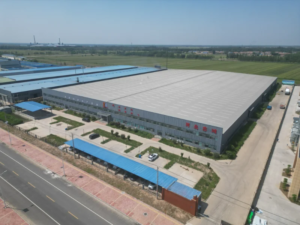
We manufacture PP and PE plastic sheets in China, including HDPE sheets, and supply cut-to-size panels and machined parts. For your project, we discuss the material grade, sheet dimensions, surface finish and fabrication scope before quoting.
You can order sheet stock for your own fabrication or ask us to review drawings for finished plastic parts. The available grade, colour, thickness, machining operations and packing arrangement are confirmed for each order.


Start with the material grade, not just the sheet name
Polypropylene (PP) sheets are used in fabricated chemical equipment such as tanks, ventilation ducts and gas scrubbers. A proposed grade still needs to be checked against the chemical, concentration, operating temperature, contact time and mechanical load.
For welded PP equipment, sheet selection is only part of the job: the joint design, welding procedure and structural design also matter. Tell us if you require a particular PP grade or flame-retardant specification; availability and supporting information must be checked before an offer.
PE means polyethylene, a material family rather than a single grade. HDPE is high-density polyethylene and belongs to that family. A purchase specification marked only “PE” may therefore be too broad to identify the required sheet.
Our HDPE sheet range is relevant to protective panels, liners and machined components where low moisture absorption and impact resistance are useful. Wear performance, stiffness and dimensional stability depend on the grade and service conditions; HDPE is not interchangeable with every other PE grade.
For food-contact or electrical insulation applications, specify the intended use and the documentation you need. The names PP, PE or HDPE alone do not establish that a finished sheet or part meets those requirements.
How to identify PP and PE sheet specifications
Use the material family to begin your enquiry, then identify the grade and application. The PE and HDPE entries below describe a family and one of its types, not two unrelated materials.
| Sheet material or family | Meaning in a purchase specification | Information to confirm for the application |
|---|---|---|
| Polypropylene (PP) sheet stock | A polypropylene grade supplied as sheet; specify the required grade rather than PP alone. | Chemical exposure, temperature, loading and any welding or flame-retardancy requirements. |
| Polyethylene (PE) material family | A family that includes HDPE and other polyethylene types; PE alone is not a complete grade specification. | The required PE type, grade and application, so the offered material can be checked. |
| High-density polyethylene (HDPE) sheet stock | A type of PE, often considered for moisture-resistant panels and machined components. | Impact and wear conditions, load and support, outdoor exposure and dimensional requirements. |
Custom sheet dimensions and drawing-based fabrication
We discuss full sheets, cut-to-size panels and CNC-machined plastic parts according to the required geometry. Cutting, drilling, routing and edge finishing are reviewed with the drawing, rather than treated as one standard package.
- Sheet dimensions: state thickness, width and length, with the tolerances needed for your process.
- Surface and colour: describe the finish and colour reference; for repeat orders, identify the previously agreed specification.
- Machined parts: provide the drawing revision, critical dimensions, hole positions, tolerances and edge requirements.
- Supply format: distinguish unmachined sheet stock, cut panels and finished parts, and give the quantity of each.
If a drawing or material specification changes after quotation, send the revised version before production. A different thickness, grade or tolerance can change the machining approach, material usage and price.
Application-specific products need their own checks
For signage and engraving, our two-colour HDPE engraving sheets require a defined colour combination and engraving detail. Confirm the intended installation environment as well as the dimensions and surface finish.
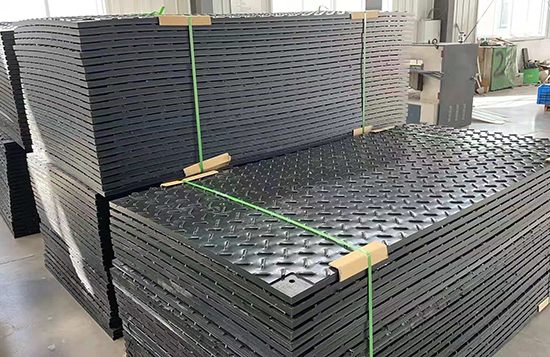
For temporary site access, our ground protection mats are a separate product from general-purpose sheet stock. Selection depends on the ground condition, equipment, loading and installation arrangement; a generic HDPE description is not a site load rating.
For outdoor panels, confirm the UV-stabilised grade and service environment rather than assuming every HDPE sheet is weather-resistant. For sliding or wear parts, describe the mating surface, speed, load and type of wear so the required material can be reviewed.
Agree inspection and packing requirements before dispatch
When comparing an offer with your specification, identify the acceptance criteria as well as the nominal sheet size. We discuss these requirements before production so the inspection and packing scope is clear.
- Dimensions and appearance: agree measurement points, tolerances, surface requirements and any colour reference.
- Order information: identify the required material documents, inspection information and drawing revision; confirm what can be supplied.
- Export packing: discuss sheet protection, pallet or crate arrangement, handling requirements and the delivery destination.
For repeat purchases, refer to the agreed grade and drawing or specification revision. Do not assume that a matching product name or colour proves the new order has the same material and fabrication requirements.
Discuss your sheet or fabrication order with us
Send the required material grade, thickness and dimensions, colour and surface finish, quantity, intended use and delivery destination. Include the drawing and critical tolerances if you need machined parts. If the grade is not yet selected, describe the operating conditions instead of guessing.
Send us your sheet specification or drawing to discuss the offered material, minimum order quantity, machining scope, packing and lead time. These details are confirmed in the quotation, not implied by a general product description.