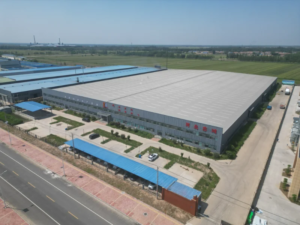
We supply HDPE sheets and machined panels for projects with defined material and drawing requirements. For marine use, identify what the panel does: a boat partition, a rubbing strip and a fender-facing pad have different requirements. The label “marine board” alone does not establish a grade or a berthing-load rating.

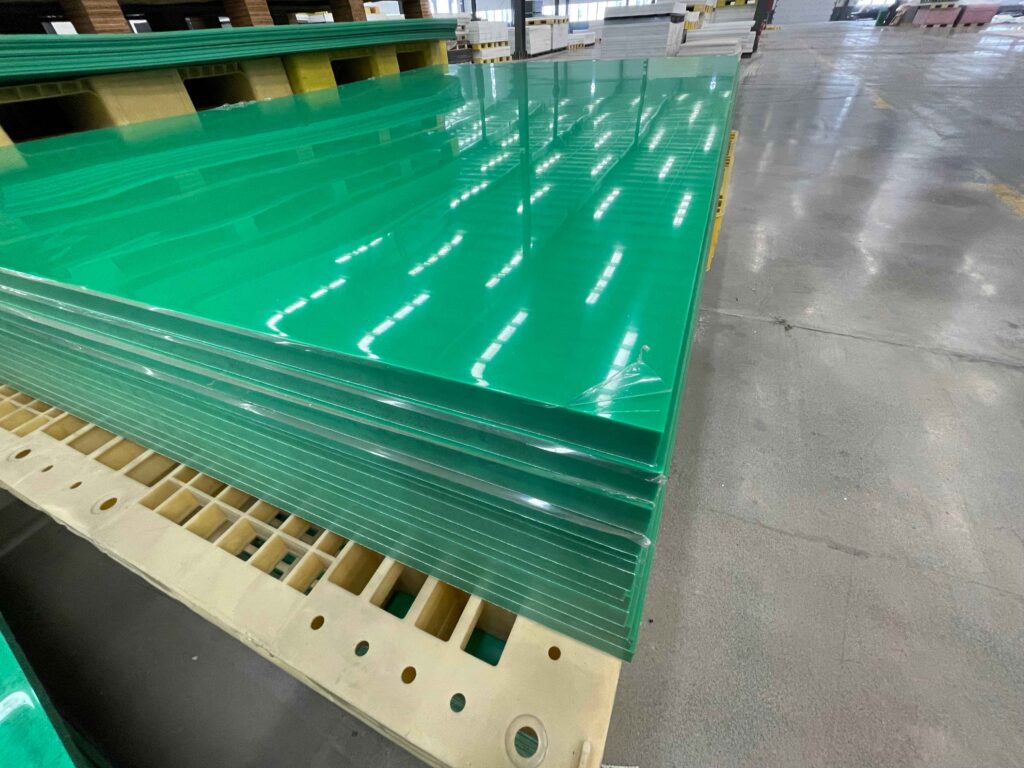


Marine board is not a complete fender system
HDPE and ultra-high molecular weight polyethylene (UHMWPE) are different material specifications. UHMWPE fender-facing pads provide a low-friction contact surface on a fender panel. Standard HDPE sheet is not an automatic substitute: the approved design must establish the material, thickness and fixing arrangement.
What to check in the offered sheet
Impact strength is not an energy-absorption rating.
A solid sheet used as a facing or wear component does not establish the performance of the complete fender. Energy-absorbing components may use rubber, compressed air or a closed-cell polyethylene foam core. Polyethylene foam is not the same product as solid HDPE marine board.
Outdoor and seawater exposure.
Request the offered grade and its UV-stabilization details. Colour alone is not proof of weathering performance. Check cleaning chemicals, temperature and exposure duration against grade-specific data; “marine grade” does not mean resistance to every chemical or a guaranteed ten-year life.
Support, wear and dimensional movement.
Consider support spacing, sustained load and thermal expansion. For contact surfaces, define the wear allowance and inspection criteria in the project specification. Impact toughness does not mean a panel can never deform, wear or break.
Fixing details.
Use the approved installation drawing for hole positions, recesses, fasteners and clearances. Allow for the specified temperature range and movement of the assembly. A generic bolt pattern or hanging arrangement is not suitable for every dock.
Separate the applications before choosing a material
- Boat fittings and non-structural panels: partitions, lockers and equipment covers need a grade suited to sunlight, cleaning and the support layout. Walking surfaces also need a suitable surface and load assessment.
- Rubbing strips and protective parts: specify the contact surface, abrasion conditions, mounting geometry and replacement criteria; compare HDPE and UHMWPE for the actual duty.
- Fender-panel facing: follow the system designer’s material specification. Check panel backing, pad segmentation and fastener clearance rather than choosing from vessel size alone.
Prepare the drawing and acceptance requirements
- Material and function: identify the required grade, the component’s role and the evidence needed for acceptance. Get design approval before substituting HDPE for specified UHMWPE.
- Finished geometry: provide thickness, length, width, radii, hole locations, recess details and functional tolerances. Distinguish full-sheet dimensions from finished pads or panels.
- Service and interfaces: show the backing and support arrangement, contact conditions, installation and operating temperatures, and any movement the assembly must accommodate.
The fender-system designer should assess berthing energy, reaction force, hull pressure and the supporting structure together. A sheet quotation or dimensional inspection does not verify those system-level requirements. For replacement work, provide the existing specification and an approved drawing revision instead of matching the old part by colour or thickness alone.
Machining, inspection and packing
- Panel schedule: list each part number, drawing revision and quantity. We review cutting and machining requirements before confirming the offered scope.
- Acceptance checks: agree dimensions, surface condition and any sample or material-document requirements before production. State separately any application-specific tests.
- Delivery preparation: identify lifting and unloading limits, packing constraints and destination. Agree protection for contact surfaces and machined edges in the order.
Discuss your marine panel requirement
Send us your marine panel drawing, required material, part schedule and delivery destination. Tell us whether you need full sheets, cut panels or machined components. We will confirm the offered material and fabrication scope; complete-fender design approval remains a separate requirement.