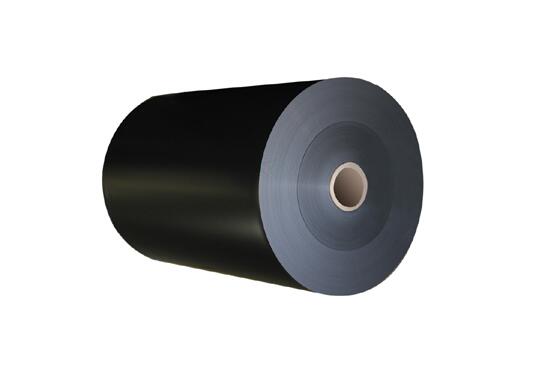

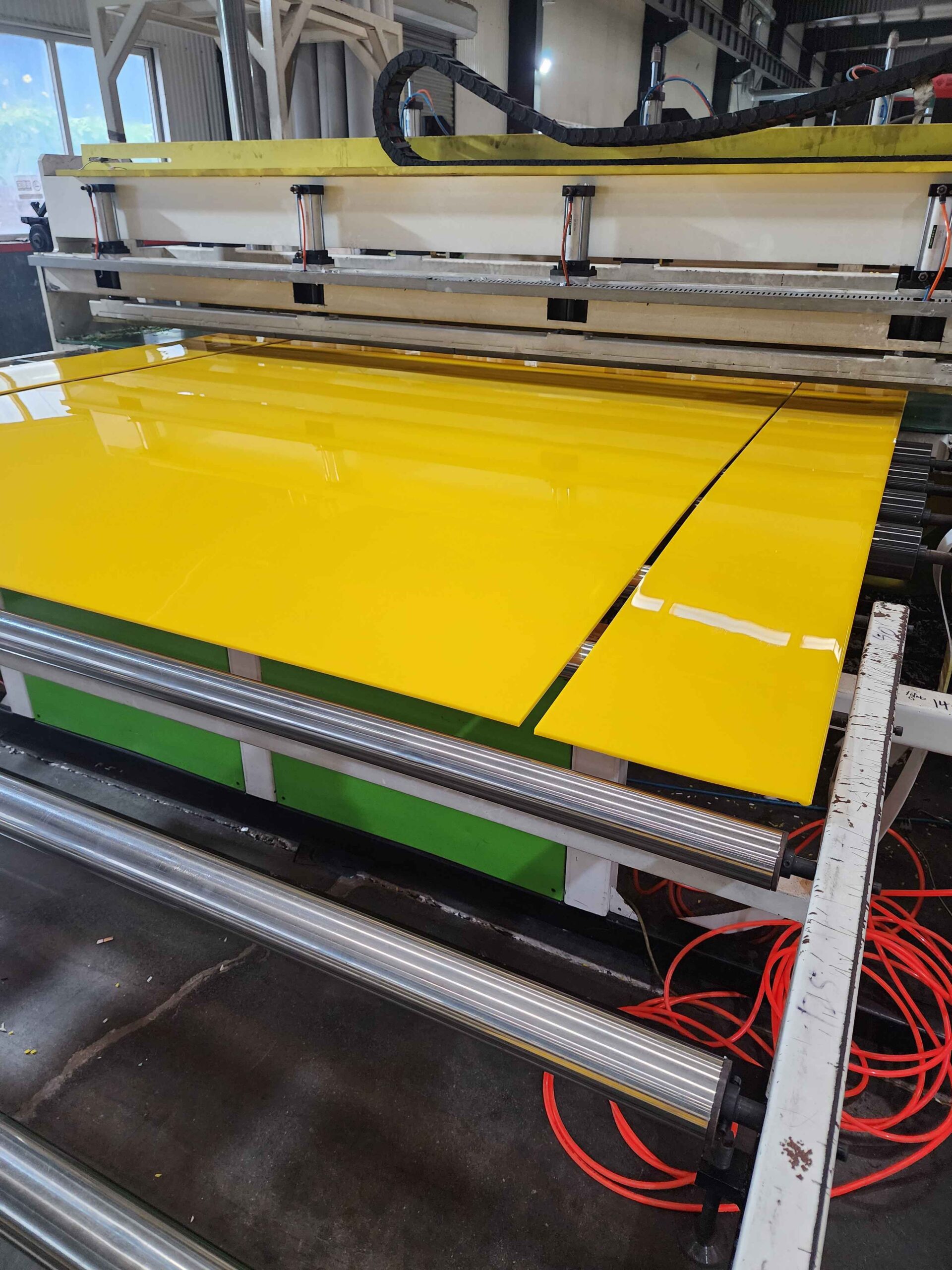
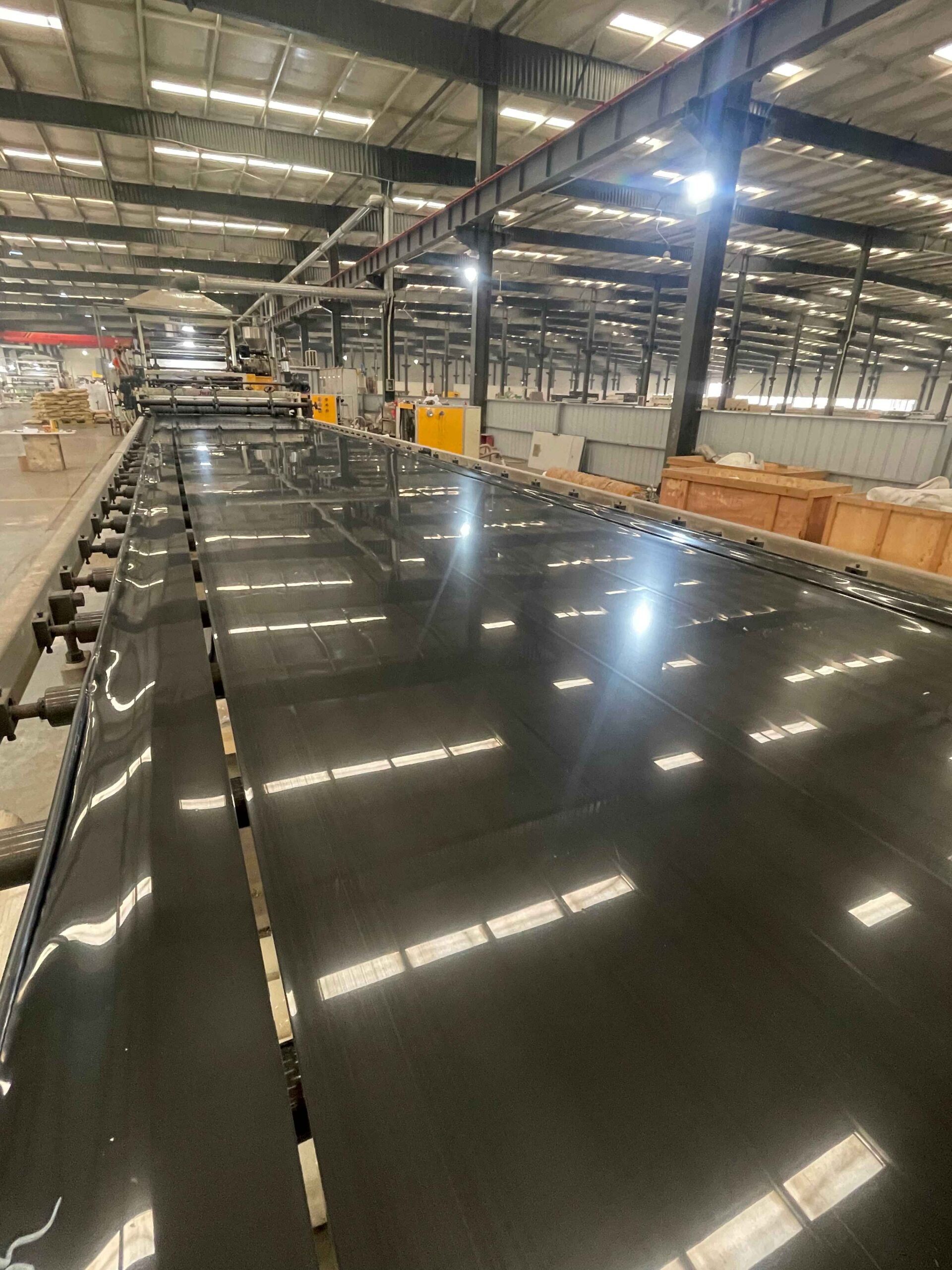
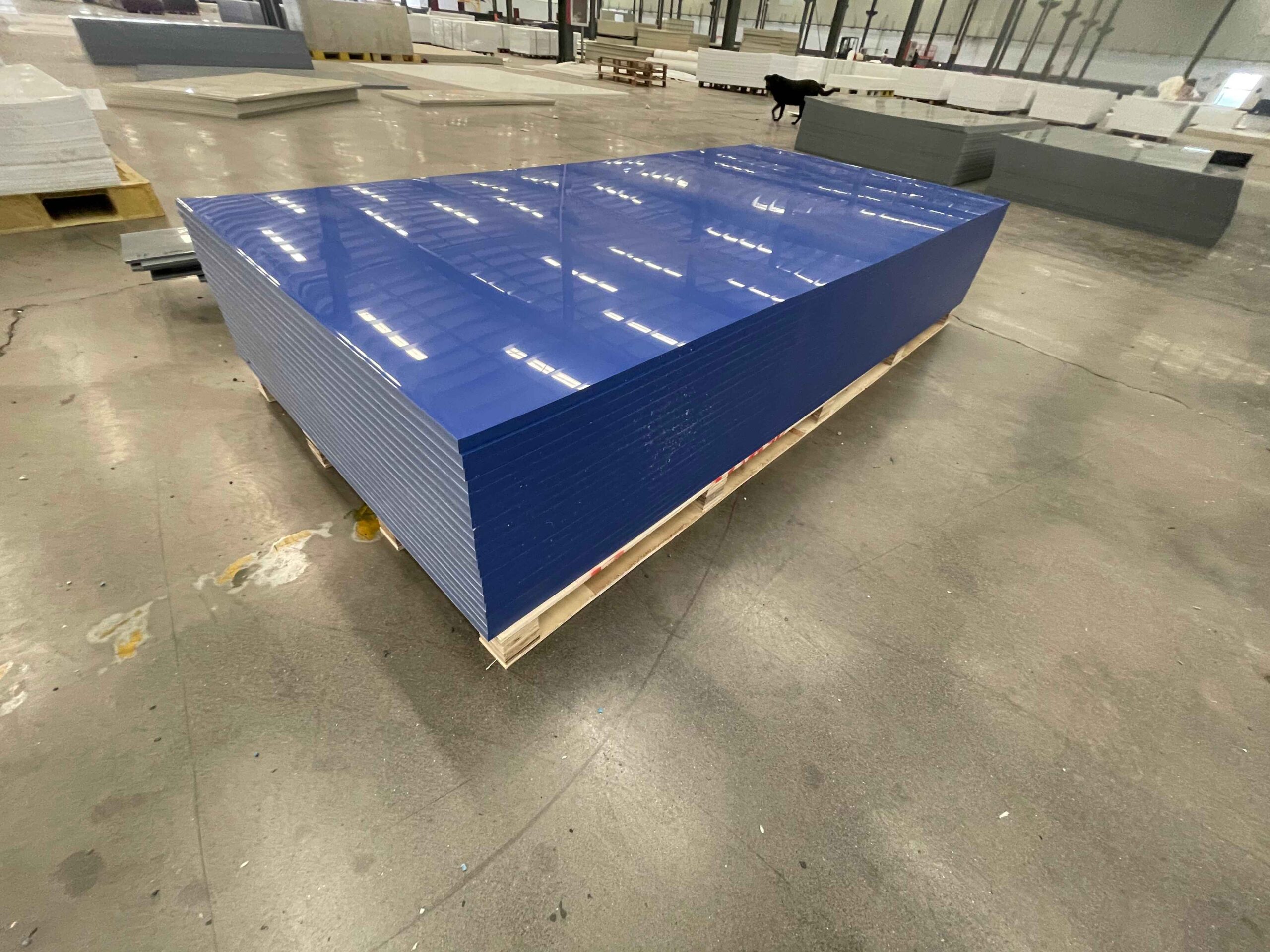
Marine-grade HDPE sheets are used for boat fittings and panels exposed to water and outdoor weather. Choose the offered grade for the actual water, sunlight, loads and fixing arrangement. “Marine-grade” is a commercial description, not a single material standard or evidence of classification-society approval. Compare our industrial HDPE sheet guidance for general fabrication and material selection.
- Identify the offered grade, color and construction so the technical data describe the sheet you will receive.
- Specify fresh water, seawater or process water, and distinguish occasional splashes from continuous immersion.
- For outdoor exposure, define the location, sunlight and intended service period, then review the selected grade’s UV and weathering evidence.
- Size the panel and its supports for the load, span, vibration and allowable deflection. Include space for thermal movement.
- Assess grip under the actual wet or contaminated conditions. A textured face alone does not establish slip resistance.
Zhihong Plastic can review full sheets, cut panels and CNC-machined parts for the proposed application. Send the drawing and service conditions so we can quote the material and processing scope; the installed design remains a project-specific decision.
Specification for outdoor and wet-service panels
| Project factor | Details to specify |
|---|---|
| Offered material | Grade or product code, color, construction and technical data for the offered sheet. |
| Water contact | Fresh water, seawater or process water; splashing, wash-down or immersion; cleaning agents and exposure time. |
| Outdoor exposure | Installation location, sunlight or shade, temperature changes, intended service period and UV requirements. |
| Load and support | Loads, unsupported span, impact, vibration, allowable deflection and the role of the component. |
| Surface and wet grip | Finish, drainage, water, oil or algae contamination, footwear or contact material and the relevant slip test. |
| Panel dimensions | Thickness, sheet or part dimensions, drawing revision, tolerances, holes, slots and edge details. |
| Machining scope | Cutting, drilling, routing, CNC features and edge finishing, subject to review of the drawing. |
| Inspection and packing | Reference sample or first article, inspection points, identification, surface protection and pallet or crate needs. |
Why consider HDPE for wet service?
- Low water absorption is useful for panels exposed to moisture. It does not eliminate thermal expansion, deformation under load or the need to design suitable supports.
- HDPE does not rust like a metal panel. Check compatibility separately for disinfectants, fuel, oils or other chemicals at the intended concentration and temperature.
- HDPE can be sawn, drilled and routed to form panels and fittings. Allow for its thermal movement and tendency to deform under prolonged loading in the drawing and fixing design.
- Impact and wear performance depend on the grade, temperature, contact conditions and panel support. Select the material for the duty rather than the marine label alone.
- Outdoor service needs an appropriate stabilized formulation. Black color does not replace evidence for the offered grade’s UV and weathering performance.
Applications and design considerations
- Boat console, cabinet and equipment panels: specify the visible face, fixing method, stiffness and any applicable fire requirements.
- Hatches, covers and seat bases: review the unsupported span, sustained loads, hinges, fasteners and thermal movement.
- Aquaculture partitions and baffles: define water chemistry, cleaning agents, flow loads and applicable requirements for the operation.
- Dock-edge and replaceable wear panels: check contact and abrasion, the backing support, bolt details and the load path.
- Outdoor guards, liners and protection panels: use a support and fixing design appropriate to the load. Do not treat a sheet product description as approval for a structural or life-safety component.
Fabrication and installation
- Full sheets, cut panels, drilling and drawing-based CNC machining can be quoted. Mark critical dimensions, hole positions, edges and the visible face on the drawing.
- Allow thermal movement with suitable clearances or slotted holes. Avoid a fixing arrangement that locks a large panel in place as its temperature changes.
- Choose texture and drainage together with the intended use. Water, algae and residue can change wet grip, and the surface must remain accessible for cleaning.
- Use a joint design suited to polyethylene. Adhesive-only attachment is difficult because of its low surface energy; qualify the adhesive and surface preparation rather than assuming a standard glue will hold.
Inspection and repeat-order controls
- Record the approved grade, color, construction and sample reference so repeat orders use the same specification.
- Specify thickness, overall dimensions and the holes, slots or edges that need inspection. State tolerances on the drawing.
- Identify the visible face and agree acceptable scratches, specks, color variation and texture against a sample where appearance matters.
- Agree part identification, separation, edge protection and adequate support during storage and transport. Keep sheets flat on suitable supports.
Information for a project quotation
- Exposure: water type, splashing or immersion, sunlight, temperature, cleaning agents and other chemicals.
- Design: part function, load, support span, impact, drainage, fixing arrangement and any safety requirements.
- Material: proposed grade if known, color, surface finish, thickness, dimensions, tolerances and quantity.
- Machining: current drawing, revision, holes, slots, edge details, critical datums and inspection points.
- Delivery: prototype or repeat quantities, required documents, packing needs, destination, delivery terms and requested date.
Frequently asked questions
Is marine-grade HDPE a universal standard?
No. The term identifies a commercial application category, not one formulation or classification-society approval. Confirm the offered grade and the evidence required for the intended component.
Can HDPE be used in prolonged outdoor sunlight?
A suitable stabilized grade can be considered for outdoor use. Availability and its supporting data must be reviewed for the location, color and intended service period. Do not infer a guaranteed UV life from HDPE or its color.
Does a textured face guarantee slip resistance?
No. Water, oil, algae, footwear, slope and wear can change grip. Test the required surface under conditions representative of its use; texture names are not test results.
What thickness is suitable for a marine walkway?
No single thickness can answer that question. A qualified designer must assess the complete walkway, including span, supports, load, deflection, drainage, slip resistance, fixings and thermal movement.
Will HDPE keep the same dimensions in water?
HDPE has low water absorption, but temperature changes and sustained loading can still affect dimensions. Allow for thermal expansion and creep rather than assuming immersion makes a panel dimensionally fixed.
Can you machine panels to our drawing?
Yes, subject to review of the drawing. Provide its revision, dimensions, tolerances, critical datums, quantity and material requirements, and identify any first-article checks.
What colors are available?
Availability is confirmed for the offered grade, thickness and quantity. Send a color reference or sample and the outdoor exposure requirements; a color match does not establish UV suitability.
How are sheets and finished panels packed for export?
The packing plan depends on size, part shape, quantity and the transport route. Agree surface separation, edge protection, labels, pallet or crate limits and unloading requirements.
Can you quote for boat builders, contractors and distributors?
Yes. We can review sheet supply and drawing-based parts for these buyers. Send the specification, initial and repeat quantities, processing scope and delivery destination.
What should we send for a marine HDPE quotation?
Start with a drawing or part dimensions, the water and sunlight exposure, load and support details, surface requirements, quantity and destination. Include required technical or inspection documents so the quotation matches the project.