HDPE Ground Protection Mats: Site Requirements and Project Cost
2025-09-05
share:
Choosing HDPE mats for temporary site access
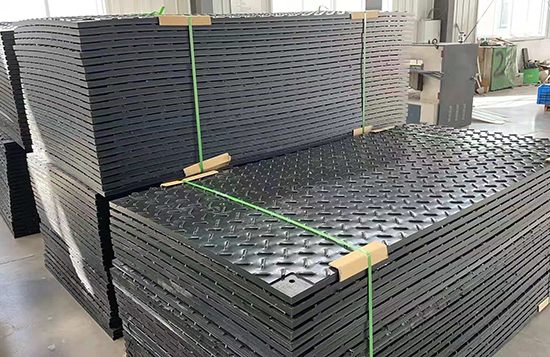
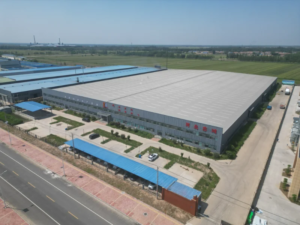
Our factory manufactures HDPE ground protection mats for temporary site access. Send the vehicle details, ground conditions, route layout and panel requirements so we can confirm the available supply options. The installed system must be assessed for your project.
Site requirements: Match the panel construction, surface pattern and connections to the vehicles, supporting ground and pedestrian needs. Surface texture alone does not establish traction or prevent ground failure.
Project costs: Compare the supplied panels with the alternatives using delivery, handling, installation, maintenance and the planned deployments, not purchase price alone.
Before specifying a mat, identify the traffic and the ground it will cover. A temporary access panel is not automatically a crane outrigger pad, a trench cover or a cable protector.
Surface, ground support and site controls
Surface and traffic: Review the panel texture with the expected tyres, tracks or footwear, contamination, slope and wear. Specify the test conditions when traction is a project requirement. Ground support: Assess the applied loads, contact area, supporting ground, panel construction and connections together. Route layout: Include pedestrian separation, edge transitions, drainage and inspection in the site plan. Cables and hoses: Use a crossing system selected for the cable or hose and expected traffic; do not assume a flat access mat provides this protection. Electrical and chemical exposure: We do not present these mats as electrical protective equipment. Send the chemical, concentration, temperature and exposure details for material review.
Compare the full cost of each access option
Purchase or hire: Compare the specified panels and required system components. Delivery and handling: Use the agreed panel dimensions, finished weight and packing to plan transport and unloading. Installation and removal: Include labour, suitable handling equipment, connections and edge transitions. Maintenance: Allow for cleaning, inspection, storage and replacement of damaged panels. Reuse: Check panel condition before each deployment. Service life depends on wear, damage and exposure; a fixed number of uses cannot be assumed.
To estimate cost per deployment, divide the panel and system purchase cost across your planned uses, then add delivery, handling, installation, inspection, cleaning and any replacement costs. Use your own project figures; this is a comparison method, not a quoted price, service-life promise or return-on-investment calculation.
Panel requirements to confirm before ordering
Tell us which dimensions, surface pattern, connection details and identification you need. We confirm the available panel construction, colour and UV-stabilisation options for the order; a requested feature is not assumed to be part of the standard supply.
Mat requirement
Details for the order
Mat material
Identify the required HDPE grade and any restrictions on recycled content. Confirm the offered formulation and outdoor exposure requirements.
Mat surface pattern
State the tyre, track or pedestrian use and the required surface pattern. Confirm the pattern on each side of the supplied panel.
Mat dimensions
Send the required length and width. We confirm available panel dimensions and cut-to-size scope for your order.
Mat thickness
Specify the required panel thickness; vehicle and ground suitability must be assessed for the selected construction.
Finished mat weight
Confirm finished panel weight for the agreed dimensions and construction before planning handling and transport.
Mat connections
Specify the connection layout and traffic. Confirm connector compatibility and the components included in the supply.
Mat colour
State the required colour and identification. Confirm the offered formulation; colour alone does not establish UV resistance.
Mat edges and transitions
State the route edge and transition requirements. Confirm the available edge details and any separate transition components.
Mat service temperature
State minimum and maximum service temperatures. Confirm suitability for the offered grade, loading and exposure.
Vehicle weight alone does not establish mat capacity. Send axle or track loads, tyre or track contact area, turning and braking conditions, route layout and available ground information. The selected panel and its support must be assessed together; thickness is not a crane suitability rating.
Application requirements for temporary access
Construction and civil works: Temporary access routes and laydown areas, subject to the vehicle loads, ground assessment and selected panel construction. Crane outriggers require a separately assessed support system.
Utilities and pipeline work: State the traffic, ground conditions and exposure along the access route. Cable or hose crossings require a suitable separate protection system.
Landscaping and tree work: Discuss access across lawns, parks or golf courses with the site owner, including vehicle loads, surface sensitivity and restoration requirements.
Events and film production: Plan pedestrian and equipment routes separately. Confirm edges, connections, surface conditions and the support needed beneath stationary equipment.
Industrial sites: Review traffic, ground support, chemical exposure and inspection needs. Soft or waterlogged ground requires a project-specific assessment rather than a general suitability claim.
Compare HDPE, plywood and steel access panels
Access panel comparison
HDPE access mats
Plywood access panels
Steel access plates
Inspection before reuse
Inspect HDPE panels for wear, cracking, deformation and connection damage before reuse.
Inspect plywood for moisture damage, delamination and loss of section before reuse.
Inspect steel plates for deformation, corrosion and damage before reuse.
Surface and traction
Assess HDPE surface texture, contamination and wear for the expected tyres, tracks or footwear.
Assess the plywood surface and any specified finish under the expected wet or contaminated conditions.
Assess steel surface finish and contamination; a plain steel surface may become slippery when wet.
Load assessment for access panels
Check mat construction, applied loads, contact area and supporting ground.
Check plywood grade, panel thickness and condition, applied loads and supporting ground.
Check steel-plate thickness, unsupported span, applied loads and supporting ground.
Handling and transport
Plan HDPE panel handling from the specified dimensions, weight and lifting or carrying details.
Plan plywood panel handling from the specified dimensions, weight and condition.
Plan steel-plate lifting and transport for the specified dimensions and weight.
Effect on the underlying surface
Assess HDPE panel edges, movement and applied loads against the sensitivity of the ground or finished surface.
Assess plywood edges, condition and applied loads against the sensitivity of the ground or finished surface.
Steel plates can mark the underlying surface; assess contact edges, loading and surface sensitivity.
Material deterioration
HDPE does not rust; review chemical, UV and temperature exposure for the offered grade.
Plywood can deteriorate through moisture, rot or delamination; review grade, exposure and condition.
Steel may corrode; review exposure, protection and plate condition.
Cost over planned deployments
Compare HDPE purchase, handling, inspection, cleaning and replacement costs over the planned deployments.
Compare plywood purchase, handling, inspection and replacement costs over the planned deployments.
Compare steel purchase or hire, lifting, transport, inspection and maintenance costs over the planned deployments.
Agree the panel supply and inspection scope
Panel options: Agree thickness, dimensions, colour and any cut-to-size or drawing-based machining before quotation.
Inspection: Agree material identification, dimensional and surface checks, and the inspection records required for acceptance.
Packing for delivery: Agree panel support, surface and edge protection, pallet or crate requirements and shipment marking for the delivery route.
Request a quotation for HDPE access mats
Discuss your HDPE mat requirements with us. Send the panel dimensions, quantity, required surface and connections, vehicle and ground details, drawing if available and delivery destination. We confirm the proposed supply scope, any outstanding technical points, minimum order quantity and lead time before quoting.