

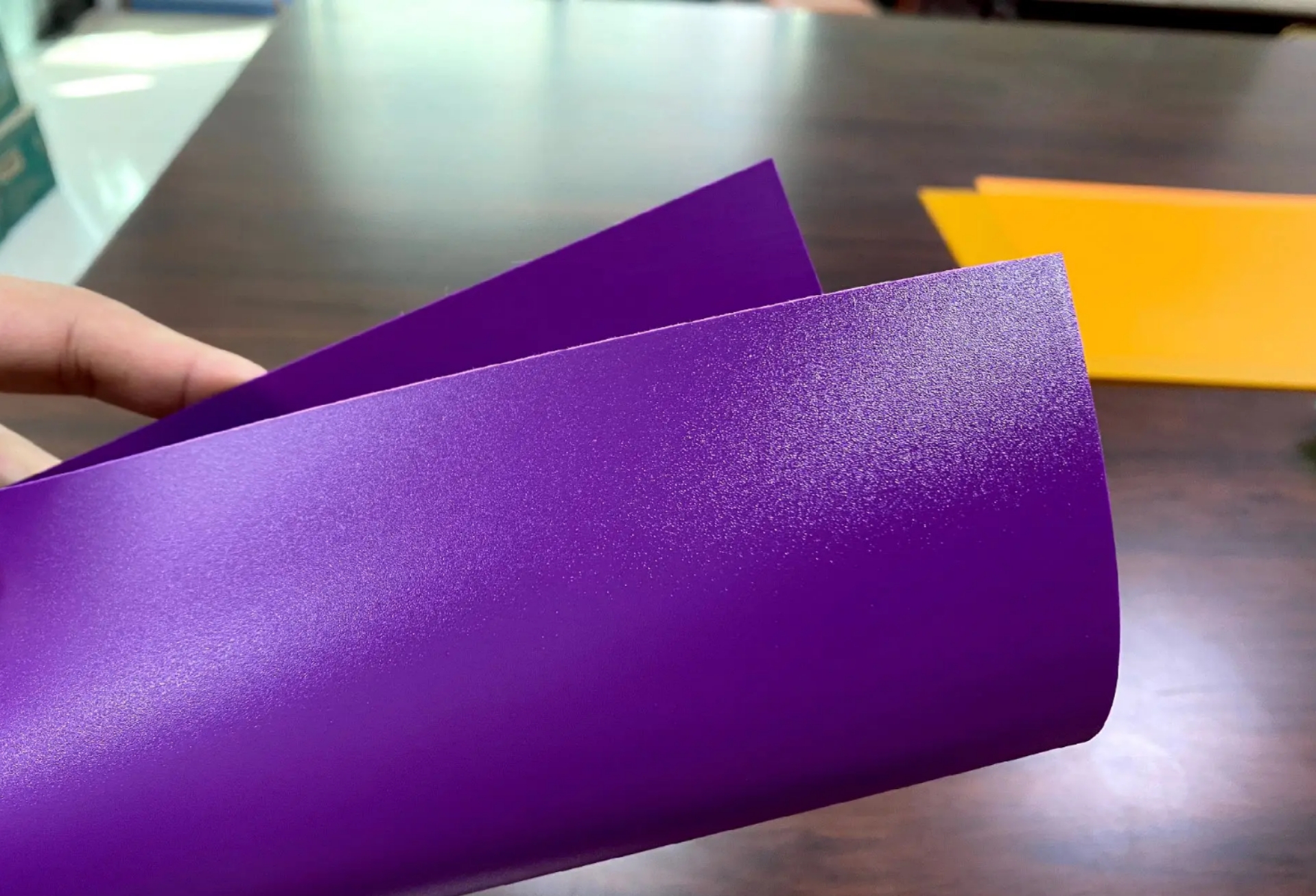
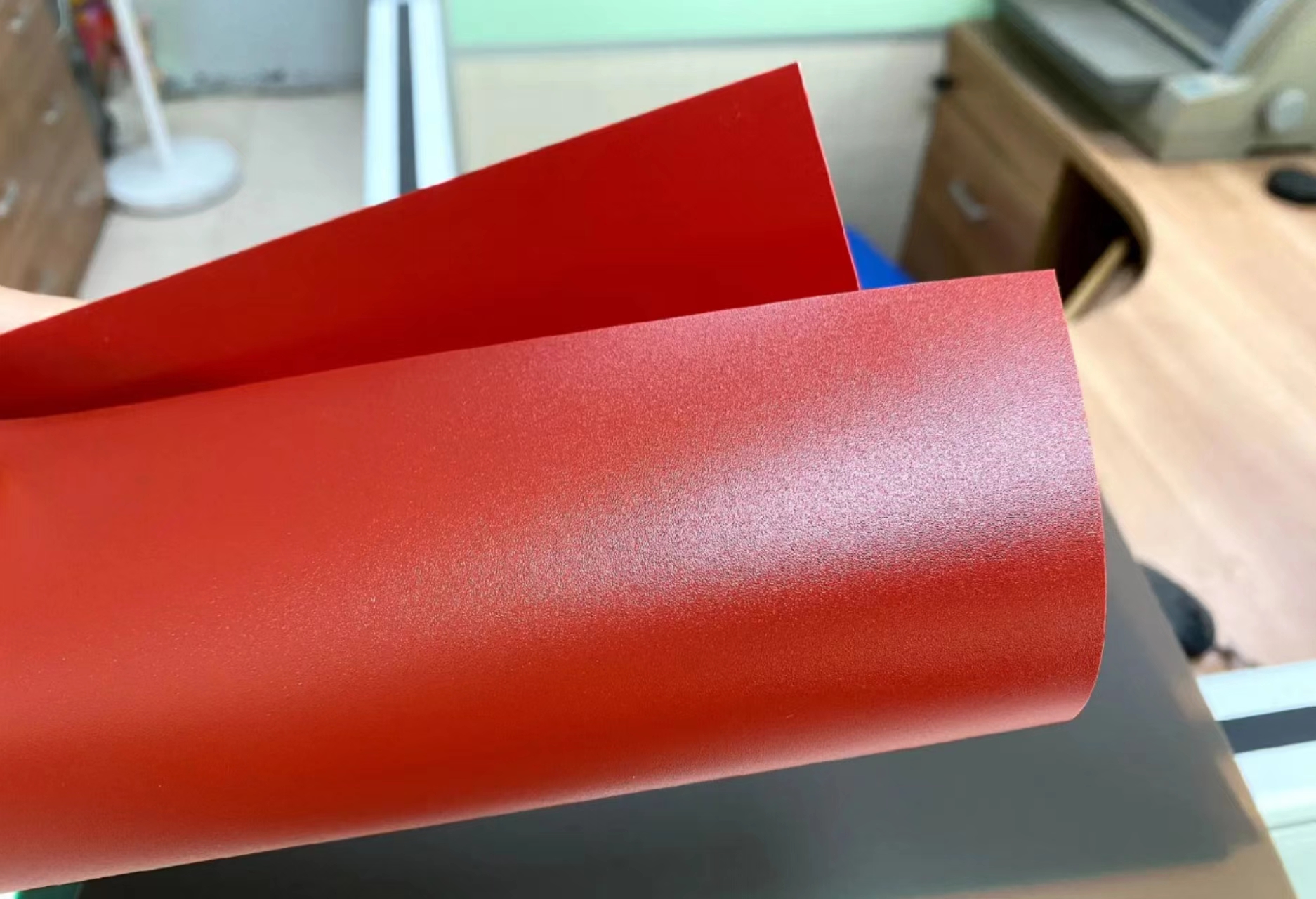
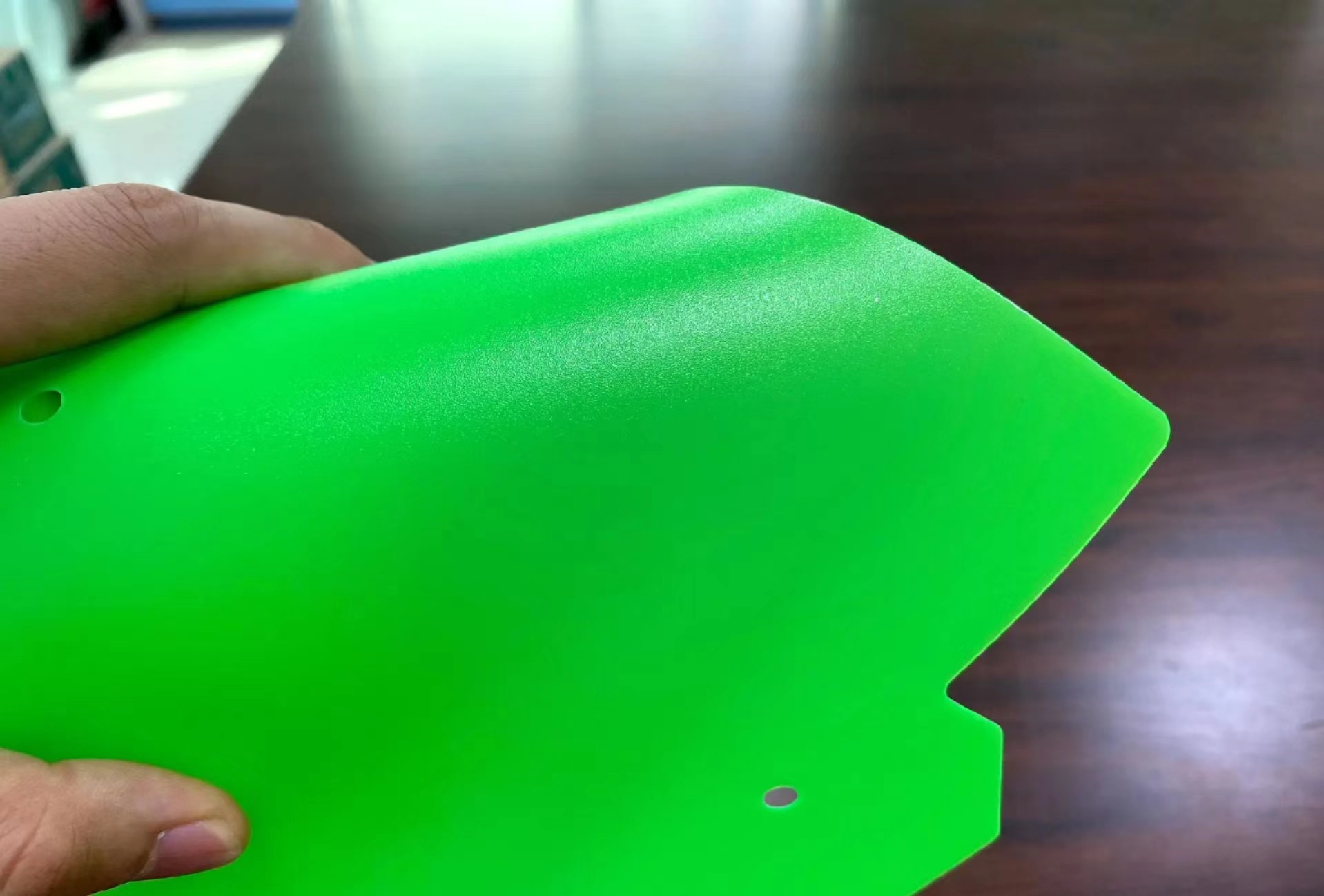
Transparent PP sheet is used for lightweight covers, partitions and fabricated components where visibility matters. The name does not guarantee glass-like clarity. Confirm the optical appearance of the selected grade at the required thickness and surface finish.
Transparent or Translucent PP?
Translucent PP passes light but scatters it, so objects behind it may not appear sharp. Haze and light transmission measure different aspects of optical performance; a high transmission value alone does not prove a clear view. For a numerical requirement, agree the test method and specimen thickness. For visual approval, assess a sample at the required thickness, lighting and viewing distance. Compare PET, PVC, acrylic or polycarbonate when detailed viewing or a safety-related line of sight is essential.
Applications to Assess
- Lightweight partitions, covers and inspection panels where the agreed level of visibility is sufficient.
- Trays, folders, dividers and packaging components, subject to forming trials and applicable regulatory requirements.
- Covers or liners in chemical service, after checking the medium, concentration and temperature against the selected grade.
- Printed, die-cut or machined parts with defined surface quality and dimensional tolerances.
Machine guards, food-contact parts, outdoor installations and regulated packaging need separate suitability checks. A transparent appearance is not evidence of impact protection, UV stability or regulatory compliance.
Define the Sheet Specification
- Optical requirements: reference sample, haze, light transmission and acceptable visual defects.
- Dimensions: nominal thickness, width, length and tolerances.
- Surface: gloss or texture, protective film and any printing or lamination requirements.
- Fabrication: cutting, die-cutting, drilling, bending, welding or thermoforming requirements.
- Service conditions: temperature, chemicals, cleaning agents, impact and outdoor exposure.
- Documentation: identify the exact food-contact, fire-performance, electrical or other requirement for the destination market.
- Order details: quantity, packaging, labelling and delivery destination.
Fabrication and Sample Approval
Forming, shrinkage, bending and welding behaviour depend on the PP grade and thickness. Check the process and edge finish on the selected sheet before committing to production. For formed or appearance-sensitive parts, assess a trial sample, including its finished optical appearance. Send the drawing and identify the face that will remain visible.
Pre-Shipment Checks
Record the agreed grade, dimensions, tolerances, optical criteria or reference sample, surface, protective film, quantity and packaging in the order. Use those requirements for inspection. Specify any photographs, material identification or test documents before purchase so their availability can be confirmed.
Frequently Asked Questions
Is transparent PP as clear as acrylic or PET?
Not necessarily. Clarity depends on grade, thickness, surface and processing. Compare samples under the intended viewing conditions rather than selecting by material name alone.
Can transparent PP be thermoformed?
Some grades can. Test draw depth, tooling, heating conditions and the finished appearance using the selected grade and thickness; do not assume the sheet will retain its original optical appearance after forming.
Is it suitable for food-contact packaging?
Only if the exact grade, manufacturing controls and required documentation are confirmed for the intended food, contact conditions and destination market. General PP properties do not establish food-contact compliance.
What should I send for a quotation?
Send the application, optical requirement or reference sample, thickness, dimensions, surface, protective film, drawing or fabrication needs, quantity, required documents and delivery destination.
Discuss Your Transparent PP Sheet Requirements
Compare polypropylene sheet grades. Review custom plastic sheet processing. For a transparent PP sheet quote, send us your optical requirements, dimensions and quantity.


