

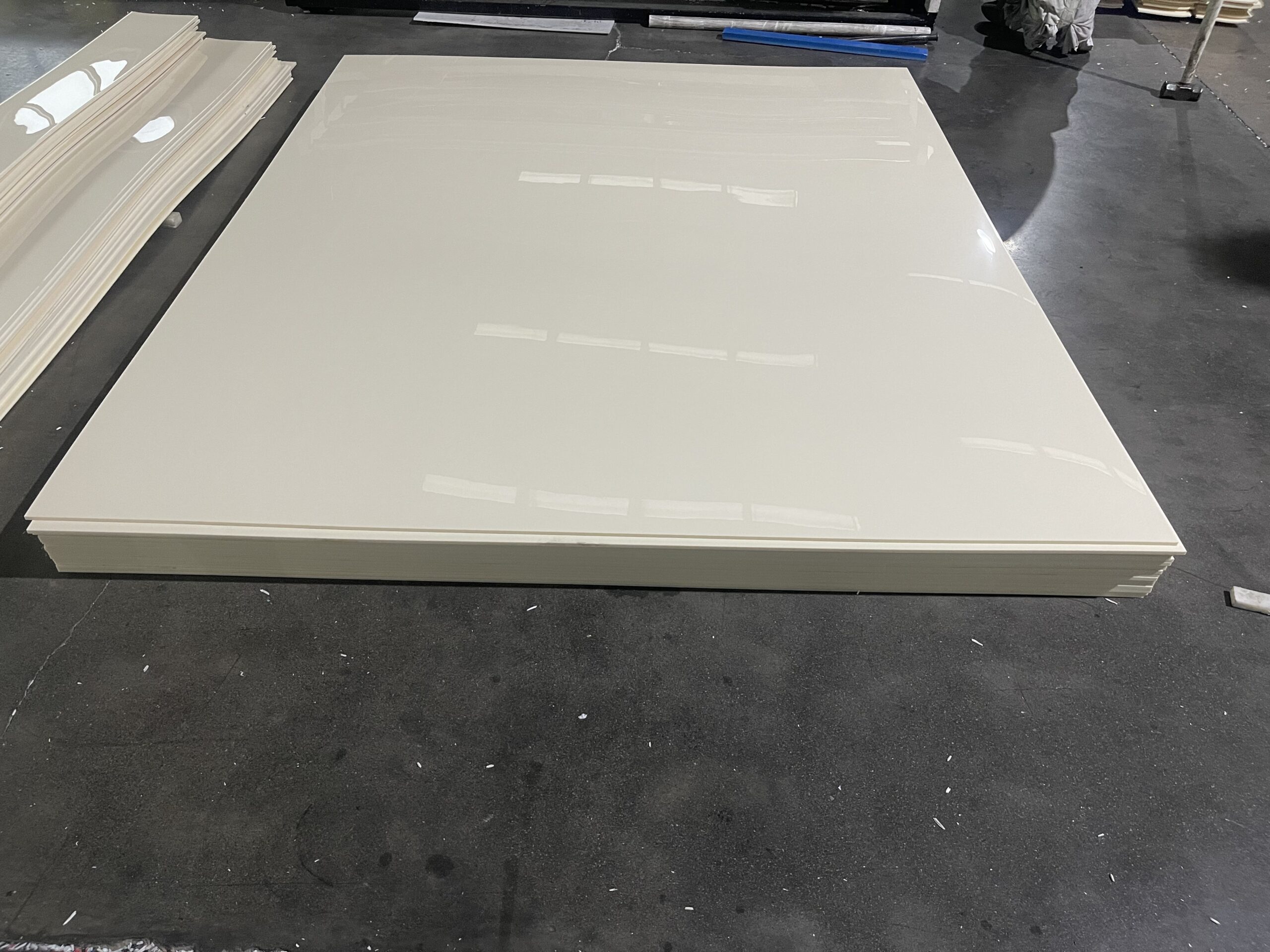
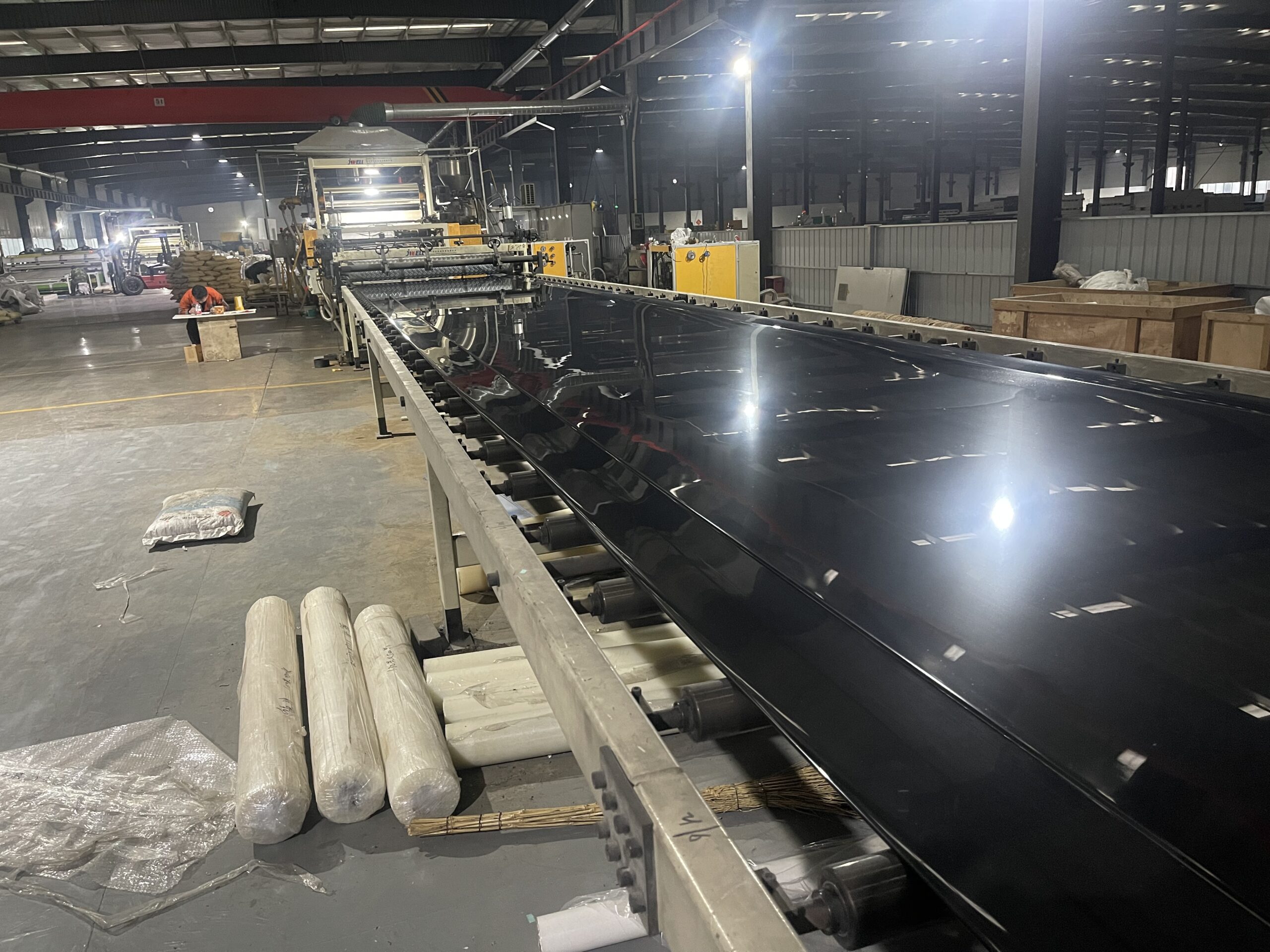
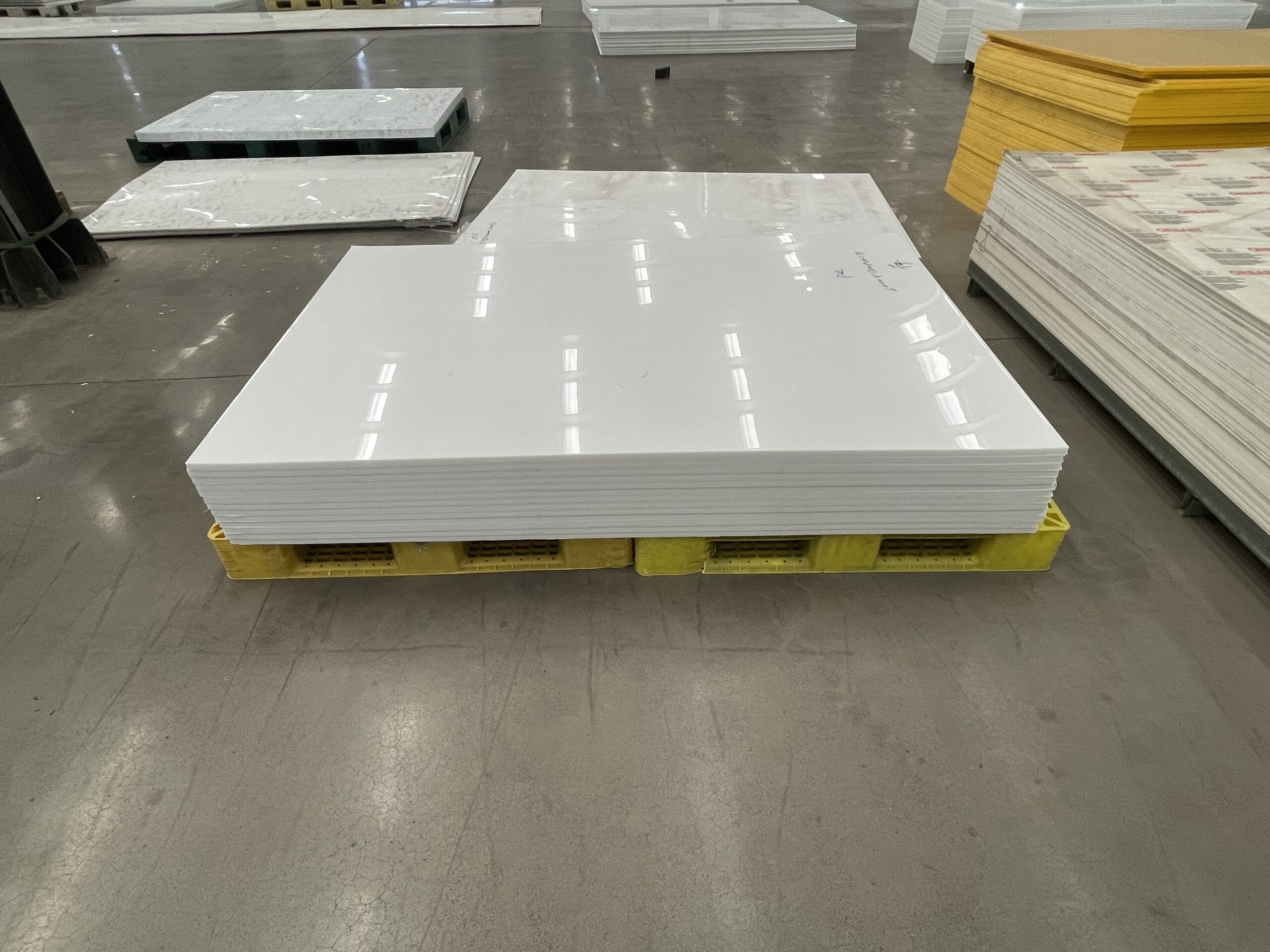
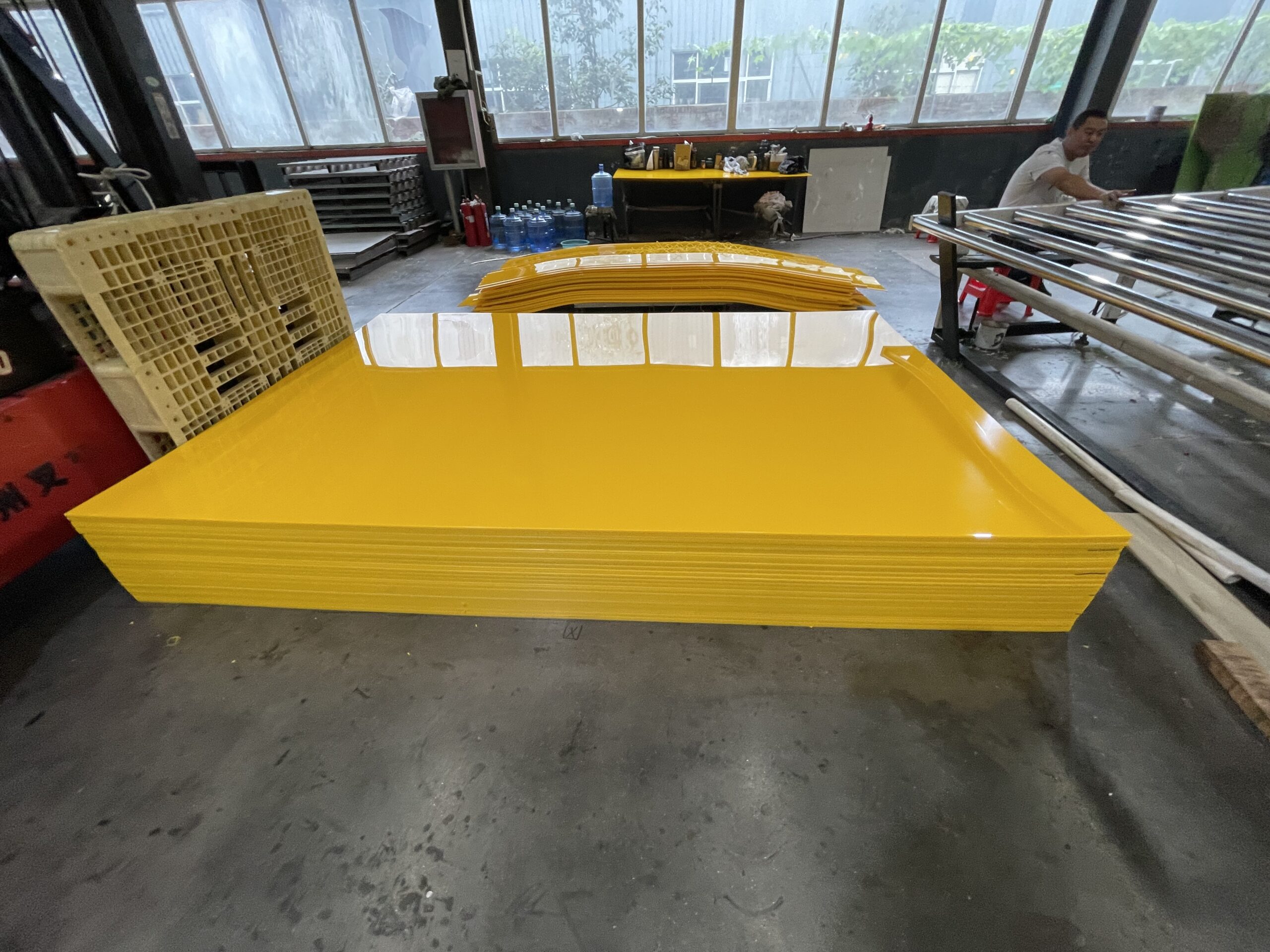
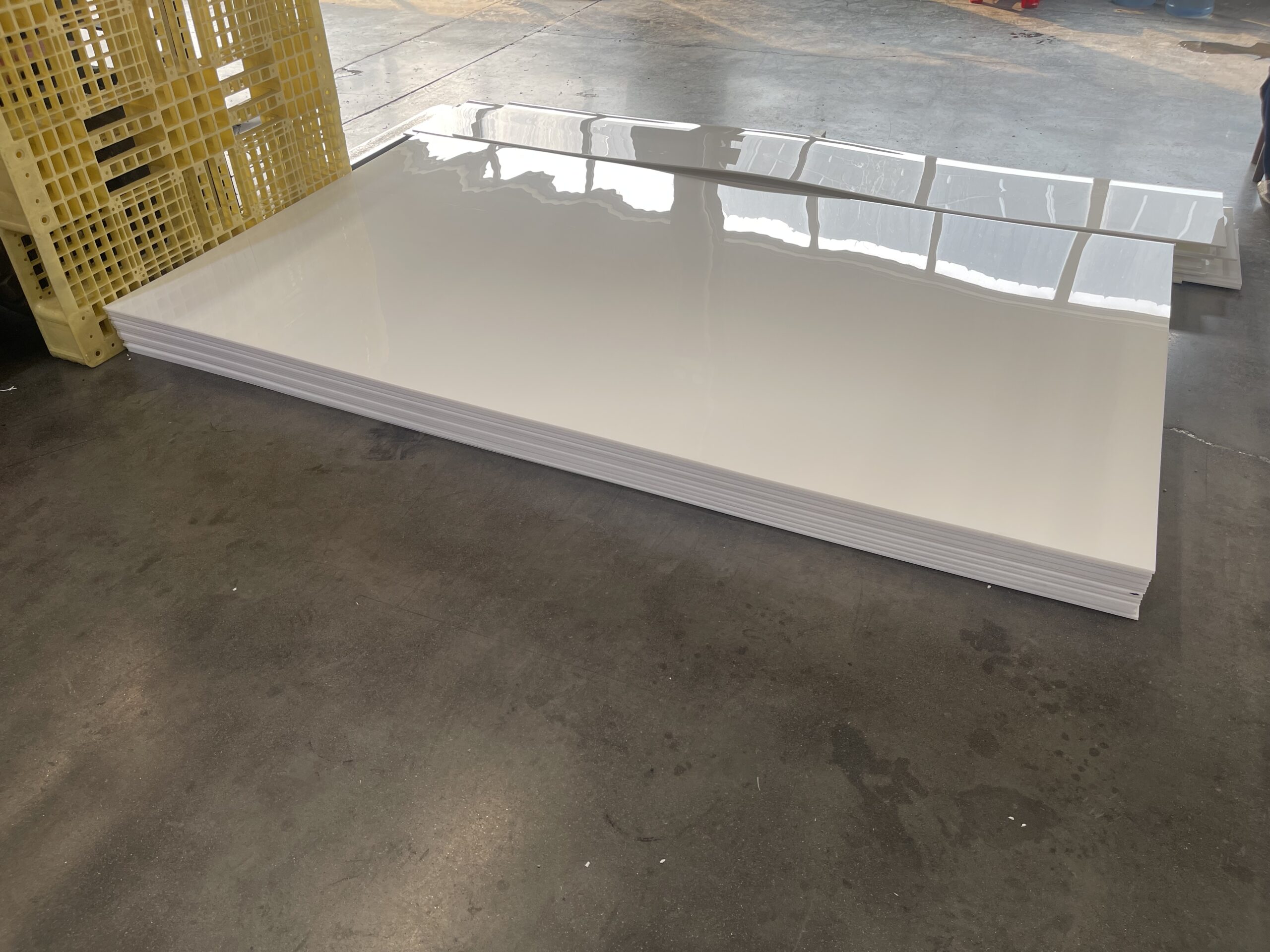
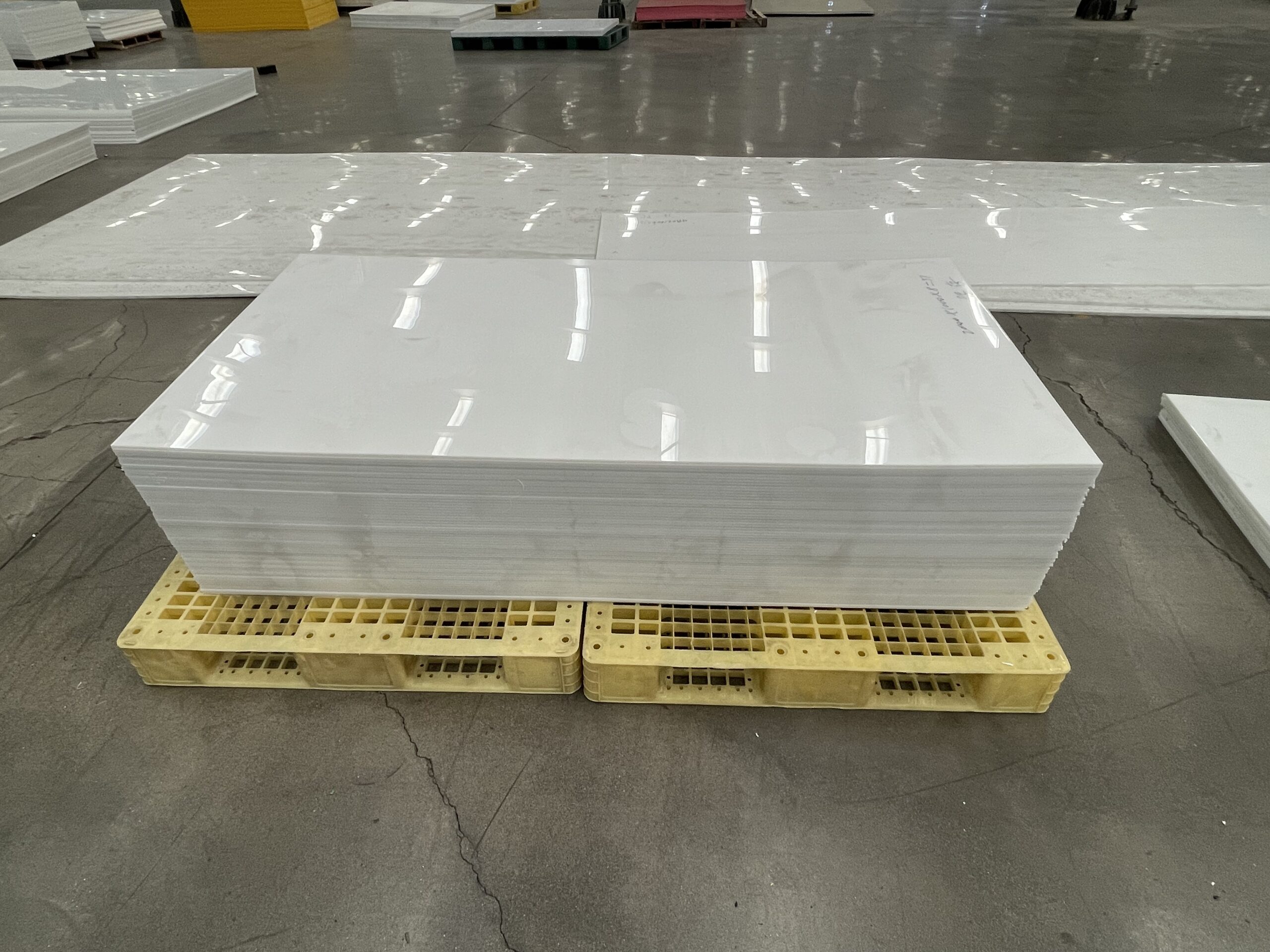
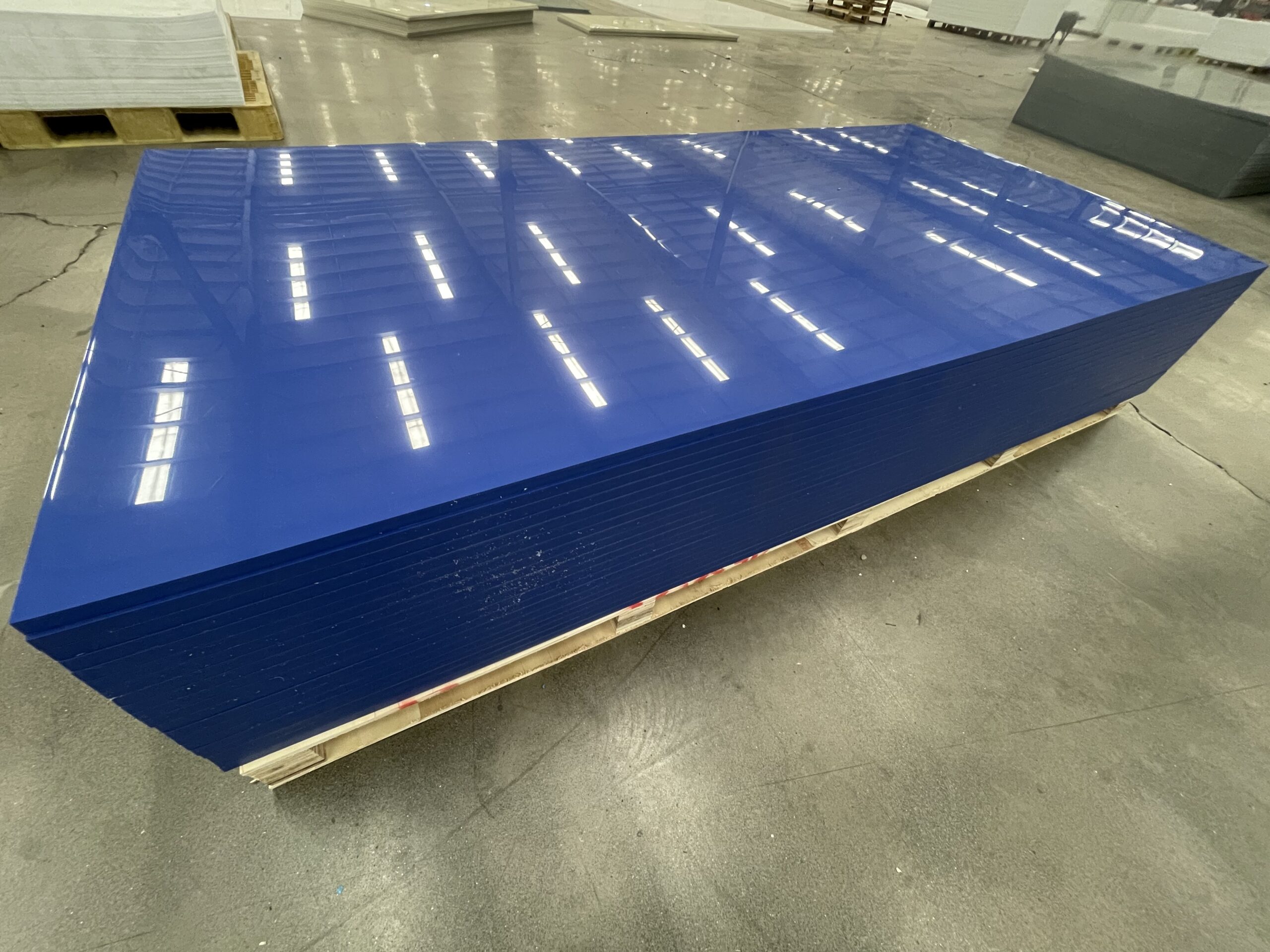
PP-A is the polypropylene sheet product designation used on this page. For tanks, ducting and fabricated parts, use the supplier-confirmed resin family and sheet grade for design, welding and chemical-resistance checks. The PP-A label alone does not establish those properties.
For a specified homopolymer, read our PP-H sheet guidance. State any low-temperature impact, transparency, fire or food-contact requirement separately so the proposed grade can be checked against it.
Identify the material behind the PP-A label
Start with the resin identification and technical data, then record the requirements that determine the material choice:
- Provide the resin producer’s grade designation, a technical datasheet or the material specification on the drawing.
- Specify the required polypropylene family, such as PP-H, PP-B or PP-R, rather than substituting from a similar product name.
- List the test methods, acceptance values and any approvals required for the supplied sheet.
- For replacement parts or repeat orders, retain the approved material specification and a reference sample where useful.
Keep the agreed resin family, sheet grade and manufacturing route with the purchase order. A sample can help compare appearance, but it does not by itself identify the formulation or chemical suitability.
Select PP sheet for the tank or duct service
Tank walls, ventilation ducts and liners face different combinations of chemical exposure and loading. Define the actual service before choosing the sheet:
- Identify the process liquid or gas, concentration, mixtures and contaminants, including exposure during cleaning.
- State normal and peak temperatures, the minimum handling temperature and repeated heating or cooling.
- Define liquid head, span, external loads, impact and any pressure or vacuum condition, together with maintenance access.
- Show seam locations, joint geometry, reinforcement, welding access and the required leak-test scope.
- Describe indoor or outdoor use, sunlight, ventilation, adjoining materials and the intended service period.
Chemical-resistance tables help screen a material, but they do not approve the finished equipment. Concentration, temperature, exposure time, stress and welded joints must be assessed together. The equipment designer must determine wall thickness, supports, joints and the requirements for the assembled tank or duct.
Define the sheet and fabrication specification
| Specification item | Information to agree |
|---|---|
| Polypropylene grade | Actual resin family, offered grade and technical data corresponding to the supplied sheet. |
| Sheet manufacture | Extrusion or pressing where relevant, sheet structure, surface condition and any agreed stress-relief treatment. |
| Sheet dimensions | Thickness, length, width and dimensional tolerances for the order. |
| Sheet color | Color reference or sample, acceptable variation and quantity by color. |
| Machining operations | Full sheets, cut panels, drilling, routing, edge preparation or CNC-machined parts. |
| Welded components | Assembly drawing, revision, joint details and agreed inspection or leak-test requirements. |
| Required documents | Material identification, inspection records, declarations or certificates, with their required scope. |
| Shipment packing | Surface separation, edge protection, pallet or crate limits, labeling and unloading constraints. |
Confirm availability for the agreed grade, construction, thickness and quantity. A size or color offered for one sheet grade may not be available for another.
PP-H, PP-B and PP-R: different material specifications
PP-H is polypropylene homopolymer and is widely used in fabricated chemical equipment. Review the offered grade’s stiffness, long-term behavior and chemical compatibility at the project temperature.
PP-B is an impact-type polypropylene copolymer, often called block copolymer in sheet catalogs. It can be considered when impact performance is important, including cold handling, but the exact grade and temperature must be checked rather than assuming every copolymer has the same toughness.
PP-R is polypropylene random copolymer, a separate material specification from PP-H or PP-B. See our PP-R sheet options and machining requirements.
Flame performance, electrical conductivity, UV stabilization and food-contact suitability depend on the offered grade and required evidence. Review our flame-retardant PP sheet page when fire performance is part of the specification.
Machining, welding and thermal movement
Suitable PP sheet grades can be cut, drilled, routed, formed under controlled conditions and thermoplastically welded. Joint quality depends on the material, clean preparation, geometry, equipment and established welding procedure.
- Use sharp tools, secure support and effective chip removal. Check cutting heat, feeds and finished edges on the actual sheet grade.
- Match the welding rod or filler to the sheet and verify preparation, temperature, pressure or travel speed, as applicable to the welding method.
- Allow thermal movement at fixing holes, frames, covers and connections to materials that expand differently.
- Account for creep under sustained loads, particularly at elevated temperatures. A short room-temperature strength test does not describe long-term tank-wall deformation.
- Review sharp internal corners, abrupt section changes and local loads around connections to reduce stress concentrations.
Zhihong Plastic can quote cutting, drilling, routing, edge preparation and drawing-based fabrication after reviewing the project. Send CAD data with a controlled PDF drawing, revision and critical dimensions so the quoted scope is clear.
Applications for fabricated PP sheet
- Chemical tank walls, lids, baffles and liners: specify the medium, temperature and complete tank design.
- Scrubber and ventilation components: include condensate, chemical fumes and loads on ducts or housings.
- Water-treatment partitions and splash guards: identify process water, cleaning agents and contact requirements.
- Machine guards, covers, spacers and guides: show fixing points, clearances and critical machined features.
- Laboratory or plating work surfaces and secondary containment: assess the actual chemical exposure and cleaning routine.
- Project blanks for fabricators or distributors: keep grade, drawing revision and order identification consistent.
These applications describe uses to assess, not automatic approval. Pressure equipment, drinking-water systems, food-contact installations or electrical assemblies need their own material evidence and design requirements.
Information for a PP-A sheet quotation
- State PP-A as it appears in the drawing or order, and include the resin grade, datasheet or previous approved specification.
- List the process medium, concentration, mixtures, contaminants and operating or cleaning temperatures.
- Define the supply scope: full sheet, cut panel, machined part or welded assembly.
- Give thickness, finished dimensions, tolerances and surface requirements.
- Provide DXF, DWG or STEP data with a controlled PDF for parts made to a drawing.
- Specify the welding method, compatible filler, joint geometry and required tests or inspections.
- Identify color and any UV, fire, food-contact or electrical requirement for the offered grade.
- State initial and repeat quantities, delivery destination and the requested delivery terms.
- List the material documents, traceability, inspection records and packing needed for the order.
The quotation should confirm the proposed material, dimensions, processing scope, tolerances, order quantity, schedule, packing and available documents. Approve any departure from the drawing or material specification in writing before production.
Inspection and order records
Agree acceptance checks for the sheet or finished part. Depending on the order, record:
- The offered resin family, grade, color and production identification.
- Thickness, overall dimensions and the agreed measurement and tolerance criteria.
- Surface appearance, prepared edges and visible workmanship.
- Critical machined features and any first-article approval requirements.
- Specified weld checks and test or leak-test records for the fabricated scope.
- Quantity, marking, protective packing and the documents included with the shipment.
Frequently asked questions
Does PP-A identify polypropylene homopolymer?
Not by itself. This page uses PP-A as a polypropylene sheet product designation. Confirm the actual resin family and offered grade from the supplier’s technical data; do not treat it as a verified PP-H or PP-R specification.
What determines chemical compatibility for a PP tank?
Start with the chemical or mixture, concentration, operating and cleaning temperatures, exposure time and contaminants. The design assessment must also account for stress, welded joints and long-term loading, rather than using the chemical name alone.
Can PP-A sheet be welded?
A suitable polypropylene grade can be welded by an appropriate thermoplastic process. Confirm the actual sheet and compatible filler, prepare the joint and establish the procedure for the selected method. The product label alone does not prove weld quality.
What is required for outdoor PP sheet use?
Review a suitable UV-stabilized grade for the actual sunlight, weather and intended service period. Confirm its availability and supporting data; neither PP-A nor sheet color establishes a guaranteed outdoor life.
Does PP-A establish food-contact or fire approval?
No. These requirements need evidence for the actual offered grade and its intended use. State the market, applicable requirement, test or classification and document scope before ordering; approval for another material is not transferable.
Can you supply parts made to our drawing?
Yes, subject to review of the drawing. Send CAD data, a controlled PDF, material designation, tolerances, quantity and first-article requirements for the proposed machining or fabrication. Review our custom plastic sheet and machining service for the wider supply scope.
Request a PP-A polypropylene sheet quotation
Compare our polypropylene sheet range for other material options. Request a PP-A sheet quotation with your material designation, service conditions, drawing, quantity and destination. We will confirm the proposed grade, processing scope, inspection requirements, schedule, packing and available documents in the quotation.


