

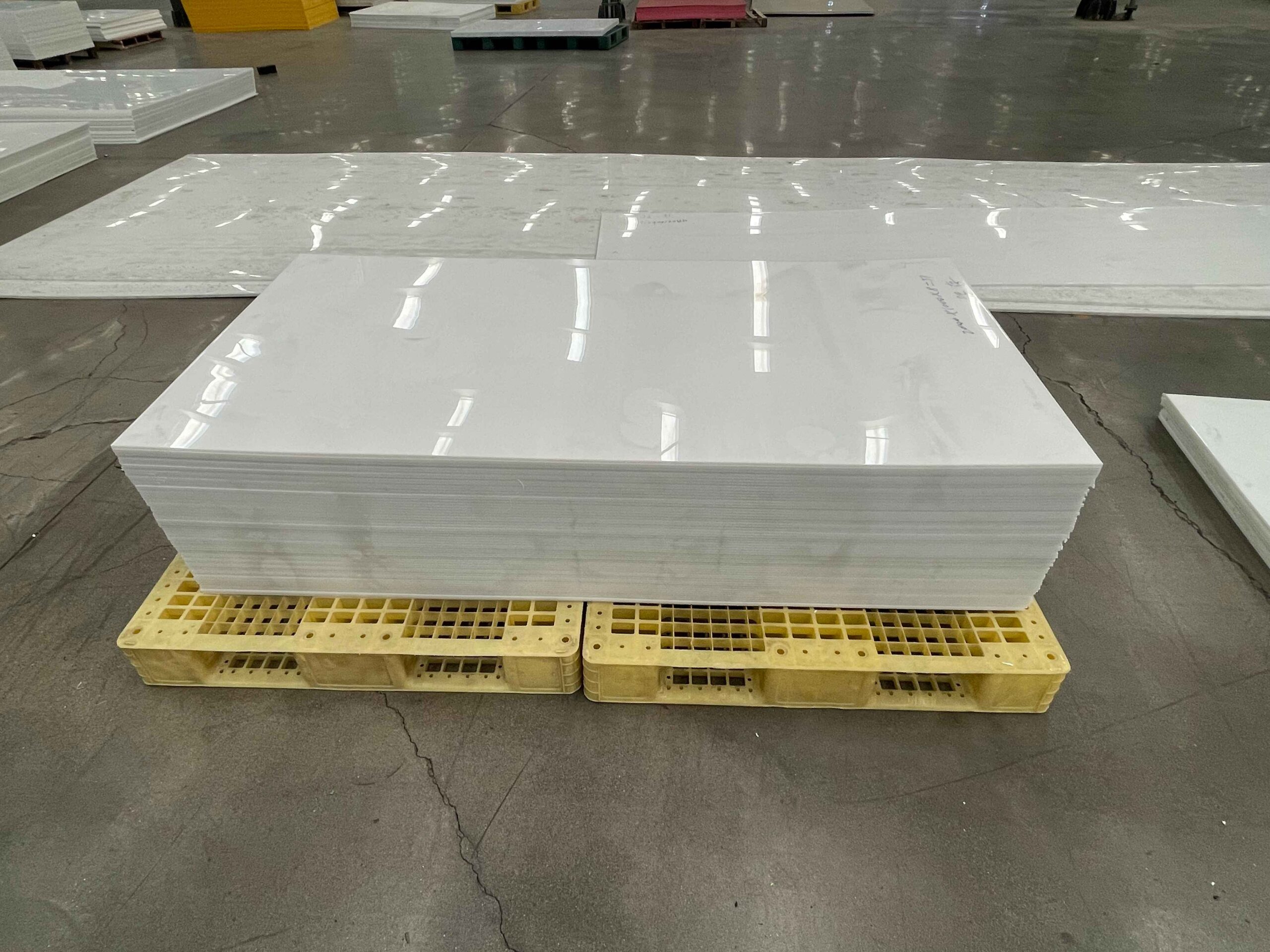
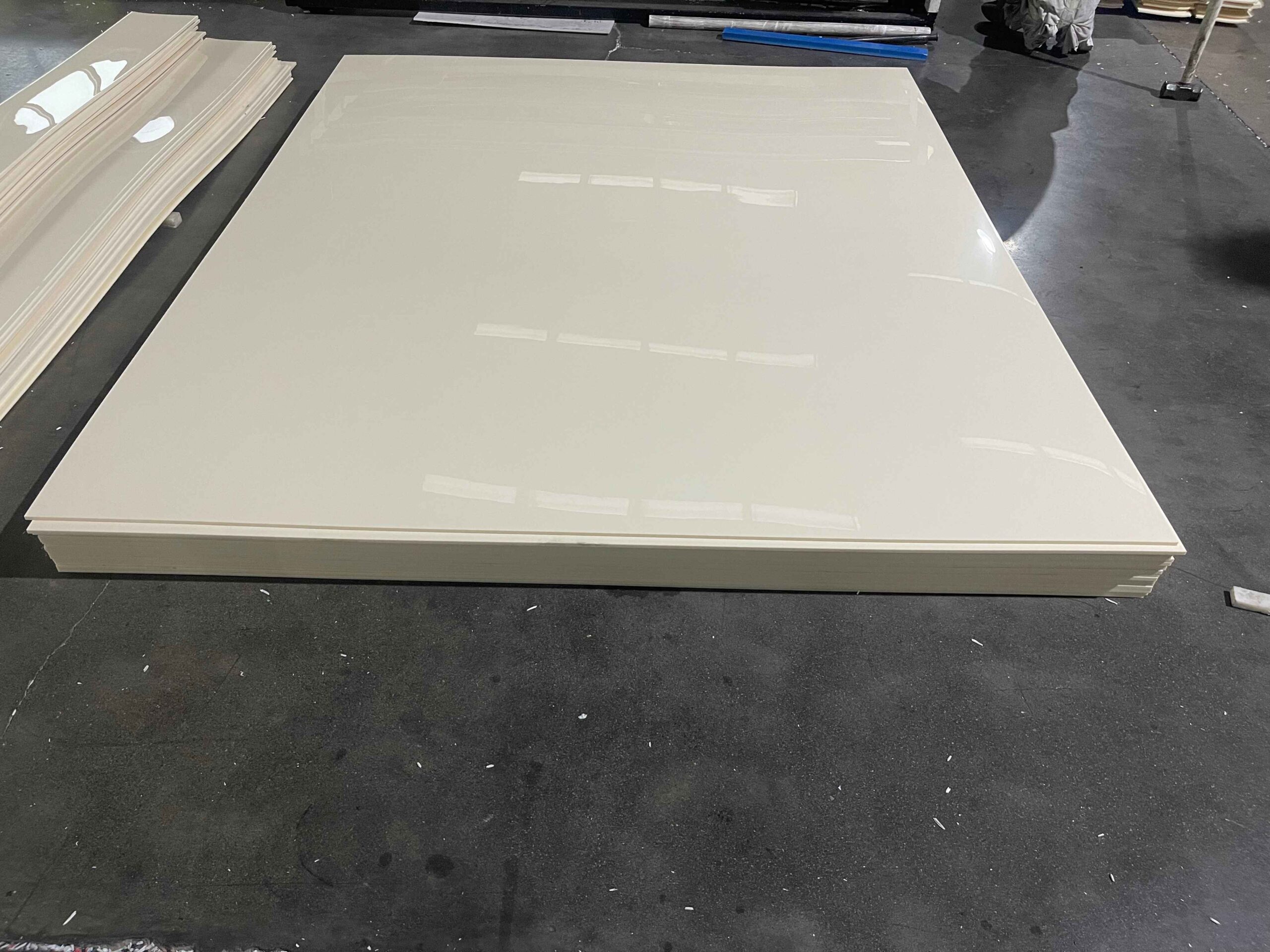
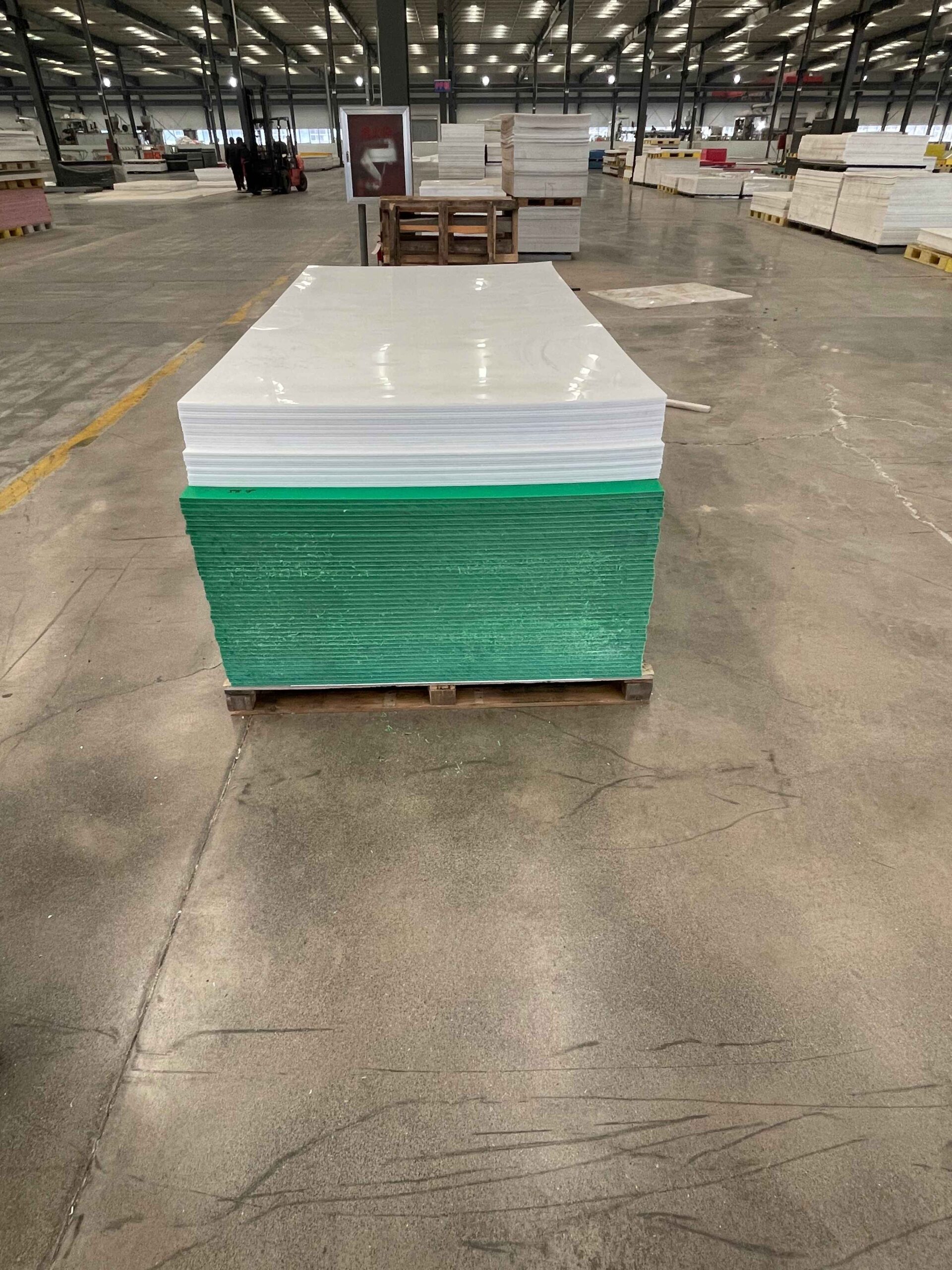
Flame retardant PP sheet is polypropylene board formulated to target a specified flammability classification. The exact base resin, additive system, color and tested thickness must be defined by the offered grade and its supporting documentation; the product name alone does not identify them.
Describe fire performance with the exact grade, test method, classification, tested thickness and covered color. Terms such as “self-extinguishing” are useful only when tied to those documented conditions.
Start with the Project Fire Requirement
Ask the project engineer, end-product manufacturer or code consultant which requirement applies. A useful inquiry identifies the jurisdiction, end use, product standard, test method, required class and acceptance document. If the specification only says “FR PP,” obtain clarification before selecting sheet.
- required standard, edition and classification;
- horizontal, vertical or other specimen orientation;
- minimum finished thickness and permitted thickness range;
- required color or whether the report covers all colors;
- conditioning, aging or environmental exposure when specified;
- laboratory, report number, report date and customer acceptance criteria.
What UL 94 Does and Does Not Establish
UL 94 assigns material classifications from small-scale tests performed on specimens under controlled laboratory conditions. Depending on the method, the observations can include burning time or rate, afterflame, afterglow and flaming particles or drips. A classification is meaningful only with its test method and the thickness and color coverage shown in the applicable record.
A UL 94 result is not a building fire-resistance rating, a surface-burning or smoke-developed result, a cable rating, or approval of a finished enclosure. It does not by itself establish smoke toxicity, electrical insulation, arc resistance, outdoor suitability or performance in the final assembly. Building finishes and complete products may require different end-use tests and certification.
Select the Base PP Family as Well as the Flame Grade
The flame-retardant package is only one part of material selection. Stiffness, impact behavior, temperature response, forming and joining can differ with the base polypropylene and additives. Compare the exact candidate data rather than assuming every flame-retardant PP sheet behaves like standard PP.
- PPH board: compare when an unreinforced homopolymer grade and its rigidity profile are relevant.
- PPR sheet: compare when a random copolymer and a different stiffness-to-toughness balance are being considered.
- FRPP board: compare when fiber reinforcement is specified. Reinforcement is not the same as a flame-retardant additive and does not create a fire rating.
Application Boundaries to Confirm
Flame-retardant PP may be evaluated for equipment guards, internal partitions, supports, covers and drawing-based components when the governing product specification accepts the proposed material. These examples are starting points for review, not approvals for the final use.
- Electrical equipment: define the end-product standard and any dielectric, tracking, arc, heat or enclosure tests. A flame class alone does not prove electrical insulation.
- Building interiors: follow the building specification’s required fire-resistance, surface-burning, smoke or interior-finish test; UL 94 addresses a different scope.
- Chemical exposure: provide the chemical, concentration, temperature, contact time and stress. Flame-retardant additives can change material behavior, so compatibility must be checked for the exact formulation.
- Outdoor use: confirm UV and weathering performance with separate evidence for the expected exposure and service life.
- Odor, smoke and toxicity: state any emission or toxicology requirement separately because it falls outside the flame classification.
Processing and Design Require Their Own Review
If cut or machined parts are required, provide a controlled drawing with datums, tolerances, hole locations, edge details, surface requirements and the minimum finished section. Machining, countersinks, grooves or forming can create areas thinner than the nominal sheet. Those areas may fall outside the thickness represented by a material report or may change how the final component must be evaluated.
Structural capacity still depends on panel span, load, fastening, thermal movement and long-term deformation. If welding, adhesive bonding or another joining process is planned, identify the joining material and procedure. Treat the fire performance of filler, joints and the assembled enclosure as a separate end-use review.
Information to Include in the RFQ
- End use: component function, equipment type and installation location.
- Fire requirement: standard, edition, method, classification and final-product requirement.
- Report scope: acceptable laboratory, report format, thickness and color coverage.
- Geometry: minimum finished thickness, sheet dimensions or drawing revision and tolerances.
- Service conditions: temperature, load, indoor or outdoor exposure, chemicals and cleaning.
- Processing: cutting, holes, CNC features, forming, joining and assembly scope.
- Commercial details: quantity, packing requirement, destination and requested delivery date.
For each inquiry, we review the offered material designation, evidence available for the requested classification, covered thickness and color, processing scope, MOQ, lead time and exclusions. If the requested evidence is unavailable, that gap should be resolved before the material is approved.
Control the Approved Material and Documents
The purchase order should lock the accepted grade, color, thickness, drawing revision and report reference. Any formulation, pigment, thickness or processing substitution needs technical review because the earlier result may no longer apply. Certificates, laboratory reports, identification or traceability should be listed only when their availability and scope have been confirmed in the quotation.
Frequently Asked Questions
Is flame-retardant PP fireproof or noncombustible?
No. A flame-retardant formulation is still a combustible polymer unless separate evidence establishes otherwise. Use the exact test classification and conditions instead of broad safety language.
Does a UL 94 classification approve a building panel?
No. UL 94 is a small-scale material test. Building products and interior finishes can require different tests for fire resistance, flame spread, smoke and the installed construction.
Does one flame result cover every thickness and color?
No. Check the exact record or report for its material designation, minimum thickness, thickness range and color coverage. The result applies only within that documented scope.
Is flame-retardant PP automatically electrically insulating?
No. Electrical properties and end-product suitability require their own data and tests. A flammability class does not establish dielectric, tracking or arc performance.
Does the flame-retardant grade retain standard PP chemical or UV performance?
Not necessarily. Review chemical compatibility and outdoor performance for the exact formulation and service condition.
Can the board be machined or joined?
Processing must be reviewed against the grade, geometry and fire requirement. Send the drawing and joining plan so manufacturability, minimum sections and the limits of any report can be assessed.
Request a Flame Retardant PP Sheet Quotation
Browse the PP sheet range if the base material is not yet fixed. For a project-specific flame retardant PP sheet quotation, send the required fire standard, thickness, color, drawing, quantity and destination. We will reply with the available grade and document basis, processing scope, MOQ, lead time and quotation.


