

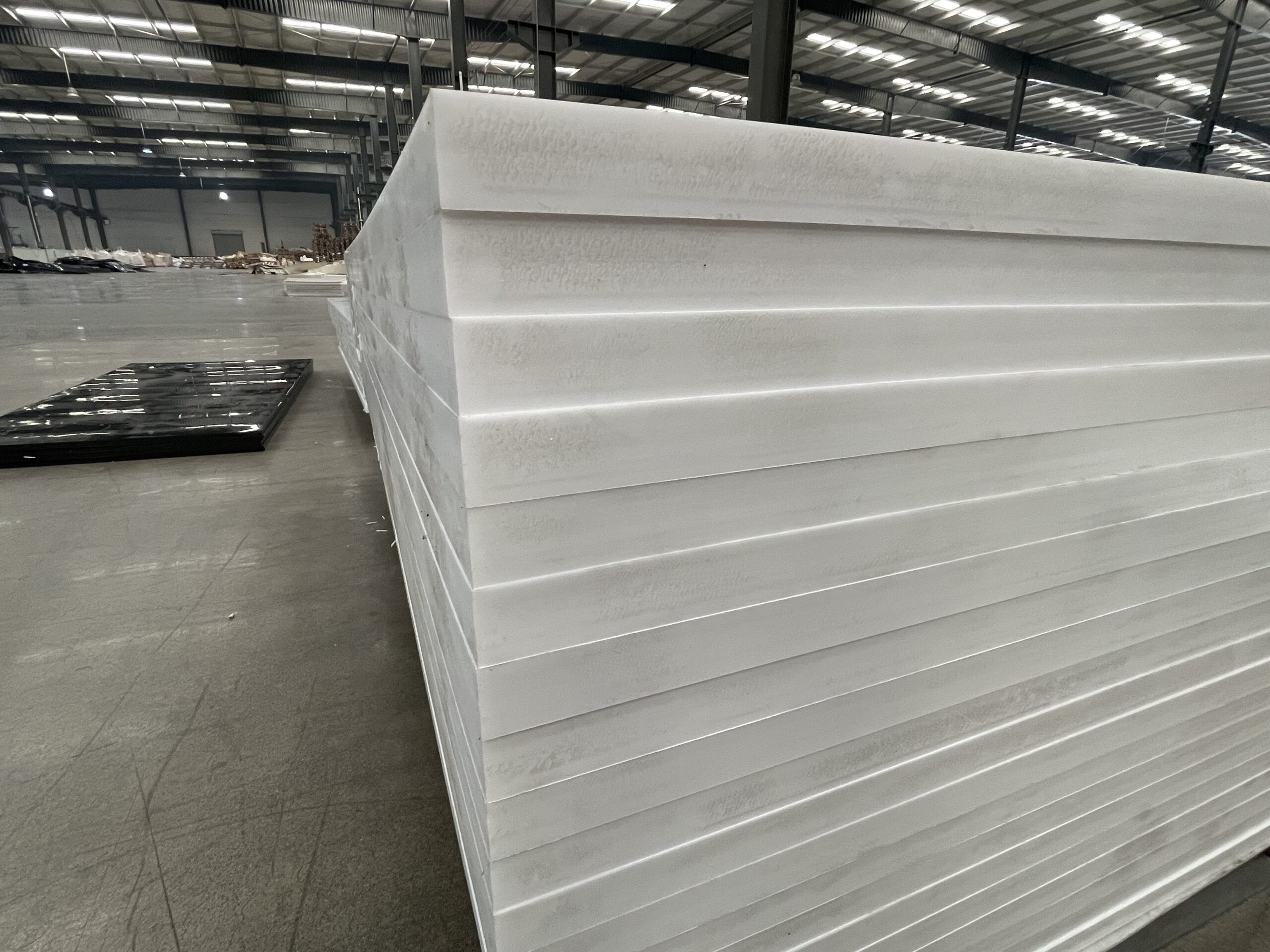
FRPP board is a polypropylene sheet reinforced with glass fiber to increase stiffness and dimensional stability. It is considered for fabricated equipment, panels and components where standard PP may flex too much. FRPP is not one fixed formulation: reinforcement level, PP grade, additives and sheet construction can differ, so the exact specification must be confirmed for the application.
FRPP Board Compared with Standard PP Sheet
- Higher stiffness: reinforcement generally reduces panel flex and can improve dimensional stability.
- Lower ductility: FRPP may be less flexible than unreinforced PP, which matters around bends, fasteners and impact points.
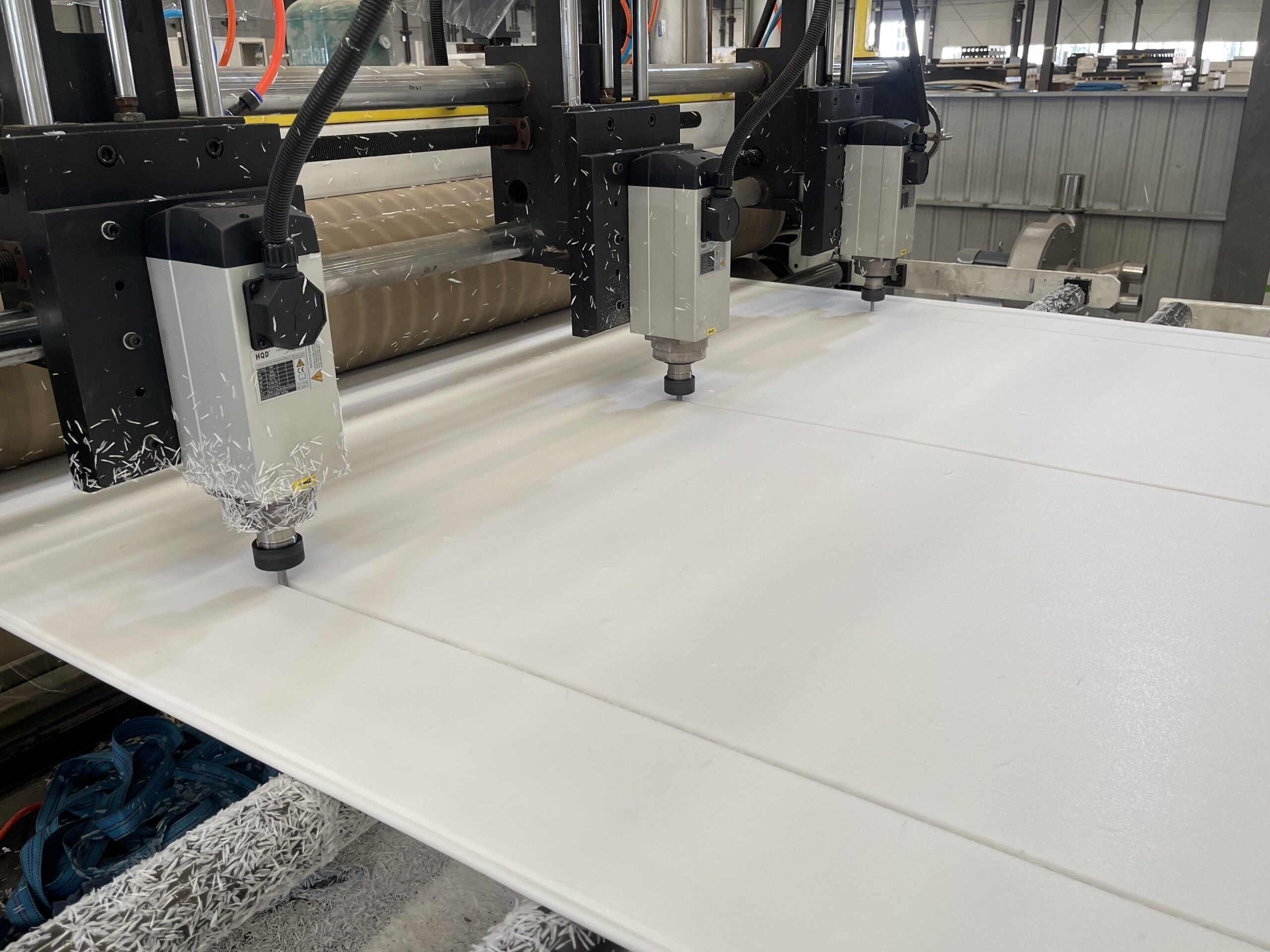
- Fabrication differences: cutting, drilling, machining and welding procedures should be selected for the actual reinforced grade.
- Tool wear: glass reinforcement can be more abrasive to cutting tools than standard PP.
- Chemical performance: compatibility depends on the PP matrix, reinforcement, additives, concentration, temperature and exposure time; it should not be assumed from the name FRPP alone.
Applications to Evaluate
FRPP sheet is commonly evaluated for chemical-equipment panels, tank covers and internal components, ventilation or scrubber parts, partitions, guards and machined components. Whether it is suitable for a tank wall, pressure-bearing part or structural panel depends on engineering design, joint method, support spacing, temperature and chemical exposure. The sheet supplier should not replace that design review.
Information Required for Material Selection
- Chemical medium: chemical name, concentration, impurities and contact method.
- Temperature: normal operating range, cleaning temperature and short-term peaks.
- Mechanical conditions: load, panel span, impact, vibration and fastening method.
- Fabrication: welding process, bend or forming requirement, machining and assembly details.
- Sheet specification: required thickness, width, length, color, surface and tolerance.
- Documentation: drawing, existing material reference and any test or certificate required.
- Commercial details: quantity, repeat-order plan, packing and destination port.
Sheet and Fabrication Options
FRPP board can be reviewed as full sheets, cut panels or drawing-based components. Available sizes and thicknesses depend on the selected formulation and production route. For machined parts, provide tolerances, hole positions, edge requirements and the expected quantity. For welded assemblies, state the welding process and joint design so material and fabrication compatibility can be discussed before purchase.
What to Check Before Shipment
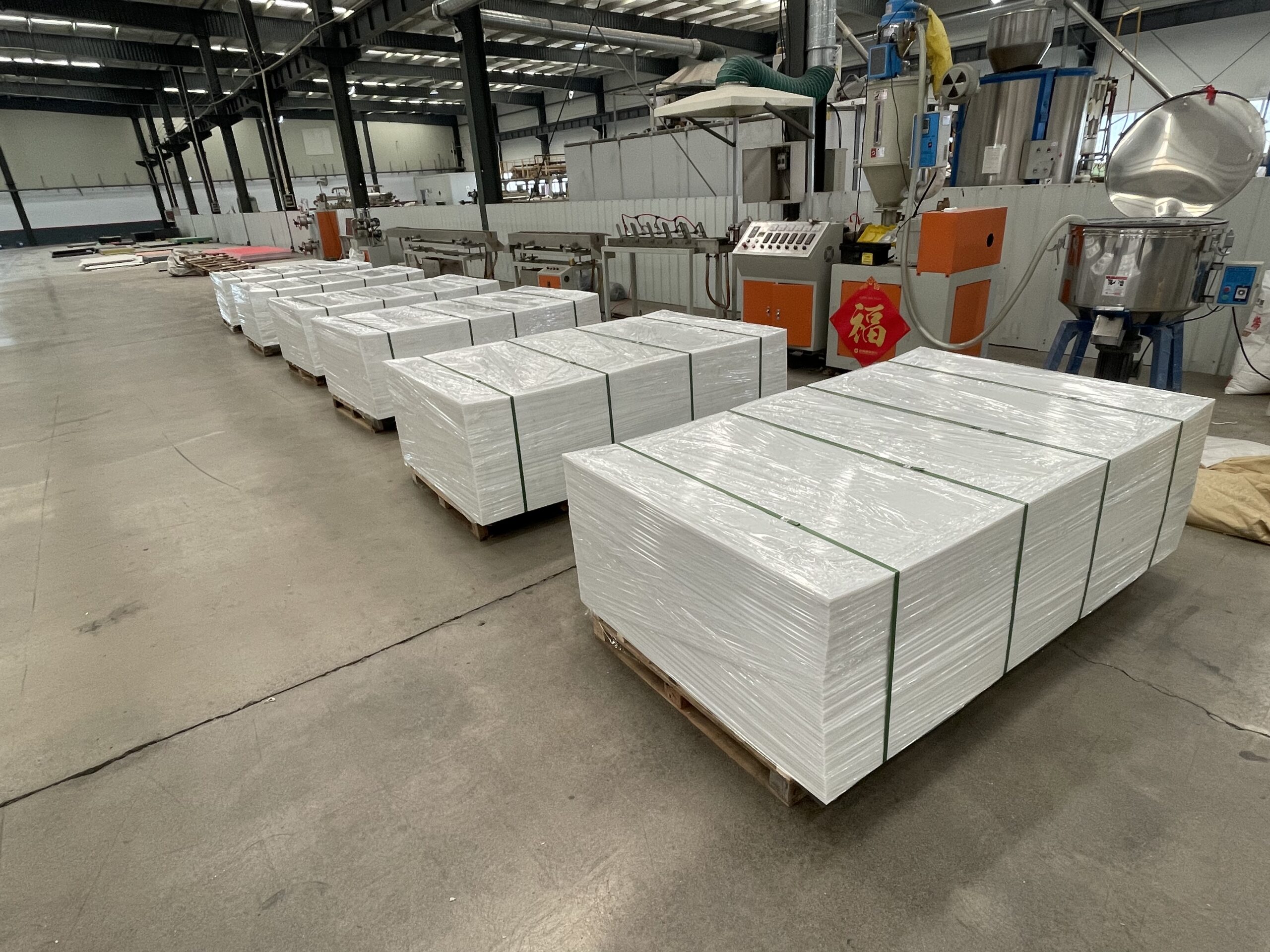
The purchase specification should define the FRPP grade or agreed formulation, dimensions, tolerance, color, surface, quantity and packing. Pre-shipment checks can then follow those recorded requirements. If the project requires flatness data, inspection photos, material identification or a particular test document, include it before the order is accepted so availability and method can be confirmed.
Frequently Asked Questions
Is every FRPP board made with the same glass-fiber content?
No. Reinforcement content and construction vary by grade and producer. If a percentage or mechanical-property target is important, it must be written into the specification and supported by the agreed documentation.
Is FRPP always more chemically resistant than PP?
No. Glass reinforcement is primarily used to change mechanical behavior. Chemical suitability still depends on the complete material system and actual exposure conditions.
Can FRPP board be welded?
Some FRPP grades can be welded, but welding rod, joint design, temperature and operator procedure must match the material. Confirm the planned fabrication method before ordering.
How should I choose sheet thickness?
Thickness depends on load, span, support, temperature, joint design and safety factor. Send the drawing and operating conditions for supply review; structural design remains the responsibility of the project engineer.
Request an FRPP Board Quotation
Compare our PP sheet materials or review custom plastic sheet fabrication. To receive a project-specific response, send the chemical, temperature, drawing, dimensions, quantity and destination.


