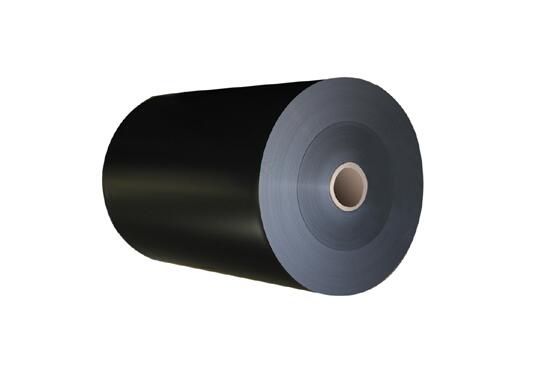

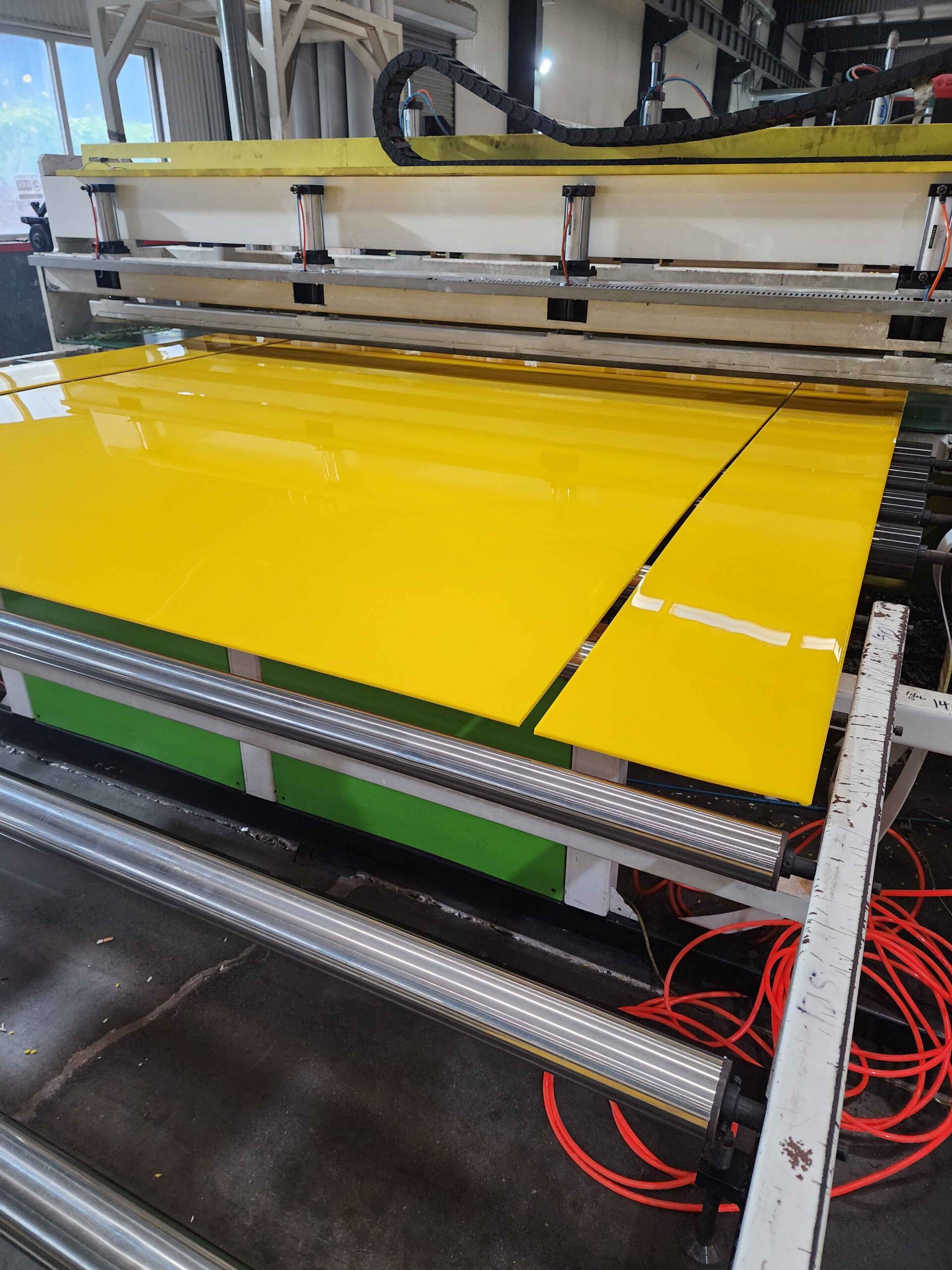
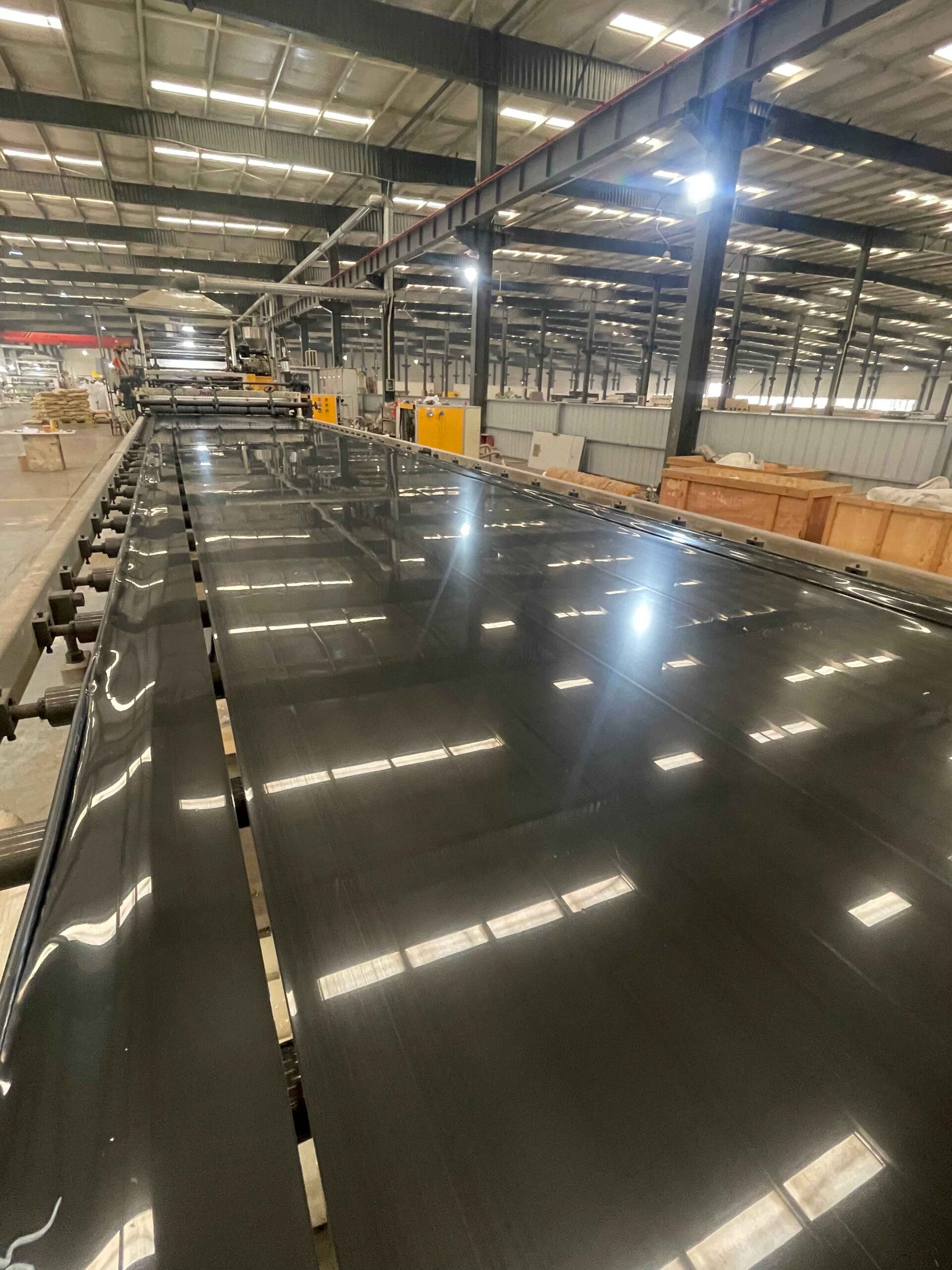
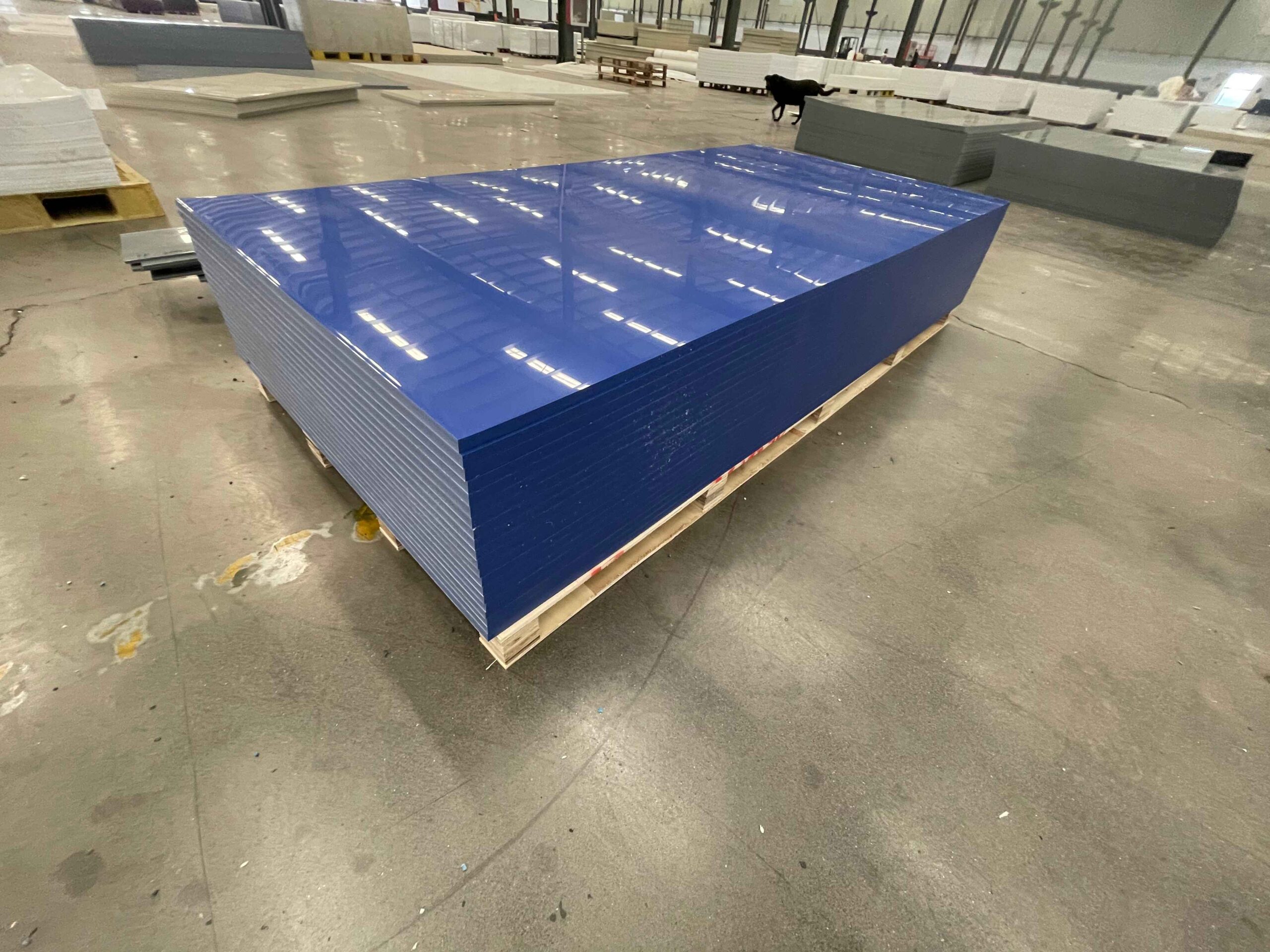
Marine-grade HDPE sheet is a commercial description used for material considered for boats, aquaculture equipment, docks and other outdoor or wet-service projects. It is not one universal grade and does not, by itself, approve a sheet for a structural deck, platform, walkway, flotation system or safety-critical component.
- Exact grade and evidence must match the offered color, thickness and construction.
- Water exposure should state fresh, salt or process water and whether contact is splash, intermittent or continuous.
- Outdoor duty requires the sunlight, climate, temperature range and relevant UV evidence to be defined.
- Load and support must cover span, impact, vibration, fastening, drainage and allowable deflection.
- Wet traction is verified under specified contamination, contact and test conditions—not inferred from a texture name.
For a useful quotation, send the application, exposure, drawing, load, support spacing, surface, quantity, destination and required documents. We will quote the available construction and flag items that still need project approval.
Define the Marine HDPE Project Specification
| Item | Information to Confirm |
|---|---|
| Product identification | Offered product code, grade or construction, color and applicable technical data |
| Water exposure | Fresh, salt, wastewater or process water; splash, wash-down, intermittent or continuous contact |
| Sunlight and climate | Outdoor duration, region, shade, temperature range, intended service period and required UV evidence |
| Mechanical duty | Load, support span, impact, abrasion, vibration, allowable deflection and whether the part is safety-critical |
| Surface and traction | Smooth or textured face; water, oil, algae or residue; footwear or contact material; test method and target |
| Dimensions | Sheet size or controlled drawing, thickness, tolerances, critical datums, holes, slots and edge requirements |
| Fabrication | Cut-to-size, drilling, routing, CNC machining and edge finishing subject to manufacturability review |
| Documents and packing | Sample or first article, inspection record, labels, protective surfaces, pallet or crate requirements |
What HDPE Can Offer—and What Still Needs Verification
- Low water absorption is useful in wet service, but it does not establish structural or dimensional suitability.
- Resistance to rust and moisture can simplify some components, while chemical compatibility still depends on the exact medium and temperature.
- Machinability supports cut panels, holes, slots and routed parts when the drawing allows for HDPE behavior.
- Toughness and wear behavior vary with grade, thickness, temperature, impact and the installed support.
- Outdoor performance must be supported for the exact formulation; black color or a “marine” label is not proof of UV life.
Applications to Evaluate with Project Approval
- Boat interior, console, cabinet and equipment panels after fire, stiffness, appearance and fastening requirements are checked.
- Hatches, covers, seat bases and backing boards after span, sustained load, hardware and thermal movement are reviewed.
- Aquaculture dividers, baffles and equipment parts after water chemistry, cleaning, flow load and compliance requirements are defined.
- Dock-edge, fender-facing and replaceable wear panels after vessel contact, abrasion, backing support and bolt details are approved.
- Outdoor guards, liners and protection panels that are fully supported and are not treated as structural or life-safety components.
Sheet, Surface and Fabrication Options
- Full sheets, cut panels, drilled blanks and drawing-based CNC parts can be reviewed for supply.
- Grade, color, surface, thickness and maximum sheet size are confirmed against the required quantity and production route.
- A textured face may change grip, drainage and cleanability; it is not an automatic anti-slip or walkway-safety rating.
- For repeat parts, approve a production-intent sample or first article with the material, drawing revision and visible face recorded.
Inspection and Supply Controls
- Record the offered product code, grade statement, color, construction and any buyer-approved sample.
- Define actual inspection points for thickness, overall size, critical holes, slots, edges and surface condition.
- State which face is cosmetic and how scratches, specks, color variation, texture and protective film will be judged.
- Agree labels, separation, edge protection, pallet or crate support and pre-shipment evidence before production.
Information Required for Quotation
- Environment: fresh or salt water, splash or immersion, sunlight, temperature, chemicals and cleaning.
- Mechanical duty: part function, load, support span, impact, abrasion, drainage and safety classification.
- Sheet specification: grade if known, color, surface, thickness, width, length, tolerance and quantity.
- Fabrication: controlled drawing, revision, holes, slots, CNC features, edges, datums and inspection points.
- Commercial details: prototype or repeat volume, required documents, packing, destination, Incoterm and requested date.
FAQ
Is “marine-grade HDPE” a universal material standard?
No. It is a commercial description. The buyer should approve the exact grade, construction, color, surface, dimensions, performance evidence and documents for the intended part.
Can you supply HDPE for prolonged outdoor sunlight?
Potentially, subject to availability and approval of the exact grade. Send the location, exposure duration, color and required UV evidence; color alone does not prove weathering performance.
Does a textured surface guarantee anti-slip performance?
No. Traction changes with water, oil, algae, residue, footwear or contact material, slope, wear and test method. Define and test the required condition.
What thickness should be used for a marine walkway?
Thickness alone cannot approve a walkway. A qualified designer must review the complete system, including span, support, load, deflection, traction, drainage, fastening, movement and applicable safety rules.
Will HDPE remain dimensionally unchanged in water?
HDPE generally has low water absorption, but installed dimensions can still be affected by temperature, load, creep, restraint and fabrication tolerances. Those conditions should be reviewed.
Can you cut, drill and CNC-machine panels from our drawing?
Yes, subject to a manufacturability review. Send the drawing revision, dimensions, tolerances, critical datums, quantity, material requirement and inspection plan.
Which colors are available for marine-use projects?
Availability depends on the grade, construction, thickness and quantity. State the color reference and UV requirement; do not use color as a substitute for grade evidence.
How are sheets and machined panels packed for export?
The packing plan is confirmed from sheet size, part geometry, quantity and transport route. Specify protective film, separation, edge protection, labels, pallet or crate limits and unloading needs.
Can you quote for contractors, boat builders and distributors?
Yes. Send the approved or proposed specification, initial and repeat quantity, fabrication scope, destination and required documents so the supply basis is clear.
What should we send for a marine HDPE quotation?
Send the part function, water and sunlight exposure, temperature, chemicals, load, support, surface condition, drawing, quantity, destination and documentation requirements.