
An OEM order for PP, PE or HDPE sheets depends on clear handovers between purchasing, the supplier and the team receiving the material. A quotation starts the discussion; the approved order documents define what should arrive. For cut-to-size panels and drawing-based parts, small changes can affect fit, processing and packing.
Keep the order reference, current specification and approval history together. If you are still preparing an inquiry, use our custom plastic sheet RFQ checklist. Once the scope is agreed, the next task is to carry those decisions through production and delivery.
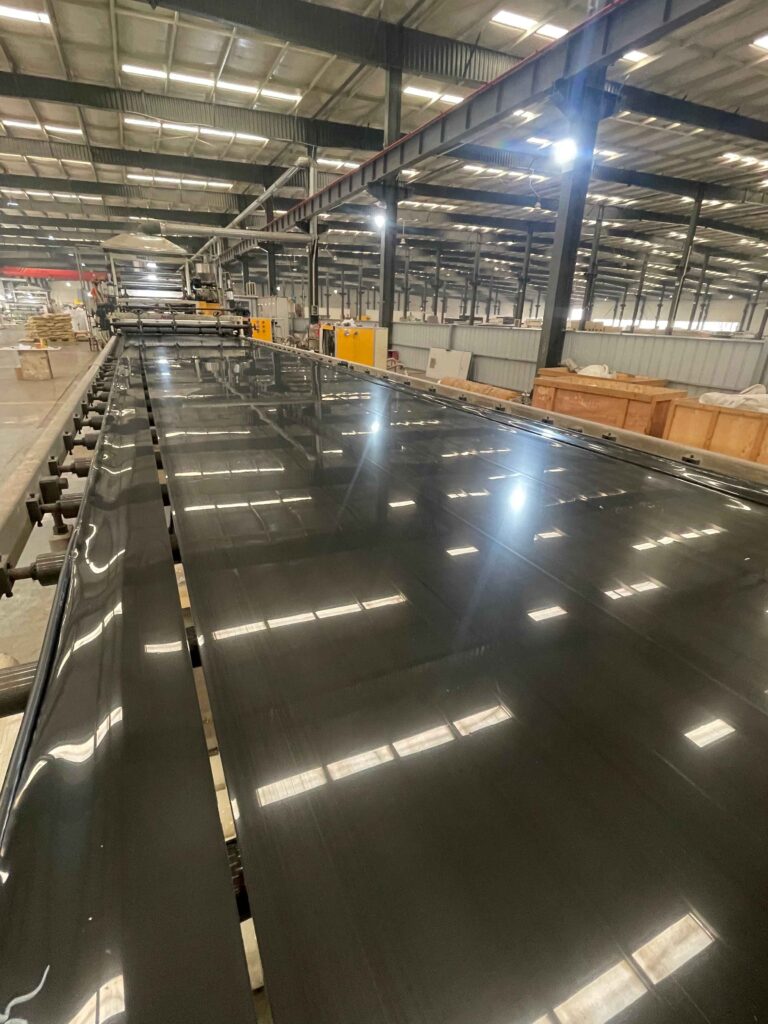


Agree the drawing that controls production
Identify the drawing revision approved for the order and who can authorize a change. If the PDF, CAD file and purchase order disagree, resolve the difference before production. Keep the accepted revision with the order confirmation so purchasing and production work from the same information.
When a change is needed, describe what has changed and ask how it affects the agreed process, quantity, price or schedule. A revised file sent by email should be followed by written confirmation that it replaces the earlier version.
Make sample approval specific
Agree what a sample is meant to confirm: color, surface finish, dimensions, fit or a particular processing detail. Include the selected sheet grade in the approval reference.
Review the PP sheet range for your OEM order. Review the PE and HDPE sheet range for your OEM order.
Record the approval against the sample reference and drawing revision. State any differences accepted for the sample and what must change for bulk supply. This helps distinguish approval of appearance from approval of the complete part, and gives both sides a clear basis for the next step.
Confirm who handles each processing step
Agree where the supplier's work ends and your own fabrication begins. Full sheets, cut blanks and finished machined parts require different handovers. For drawing-based work, confirm the agreed cutting, drilling, machining and edge finish, together with any remaining operations your team will perform.
Tie the processing decision to the approved drawing. If a change affects assembly or a visible surface, revisit the sample or specification approval before continuing. Record the decision with the order rather than leaving it in a separate conversation.
Plan packing around receiving
Packing should support the way the material will be unloaded, stored and moved to your production area. Discuss how sheets or parts will be grouped, protected and identified. A packing arrangement that suits shipment may still need adjustment for your receiving equipment or storage space.
Agree package markings that link the contents to the order, part number and revision where relevant. Request the packing details or photos your receiving team needs before dispatch, and agree who checks them. Keep any agreed film protection or handling instructions with the shipment information.
Make repeat orders easy to verify
Reference the previous order, but also confirm the current drawing, material, color, surface and processing scope. A reorder should identify what stays the same and what changes. This is especially useful when another buyer or receiving team takes over the project.
Ask whether a revised quantity, delivery date, material or processing requirement calls for a new quotation or sample approval. Keep a short change record with the new order. It helps both sides compare the repeat supply with the approved reference without treating an old quotation as a permanent specification.
Put the handover in writing
Before authorizing production, bring the drawing revision, sample decision, processing scope, packing arrangement and approval responsibilities into one order confirmation. The aim is practical: each team should know which reference to use, which decisions are approved and which questions remain open.
Discuss your OEM plastic sheet order with Zhihong Plastic. Share the approved reference and any changes you are considering. Start with the decisions that need agreement so the conversation can move the order forward.