
We supply HDPE sheets, cut panels and machined parts to the dimensions agreed in the quotation. If your drawing specifies inch thicknesses or a 4 × 8 ft sheet, state those units clearly: an exact conversion to millimetres is not the same as an available metric sheet specification.

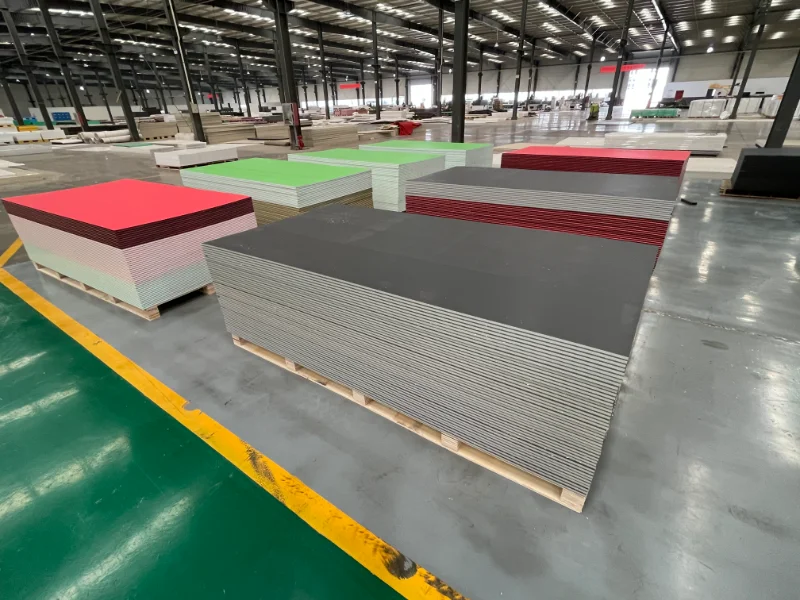

Specify dimensions before comparing quotations
Two offers described as “1/2 inch HDPE” may refer to different actual thicknesses. Compare the stated dimensions and tolerances, not just the product name.
- Controlling units: identify whether the drawing and order are governed by inches or millimetres.
- Thickness: state the nominal value, allowable variation and any minimum required after machining.
- Length and width: distinguish the full-sheet size from the finished panel size; allow for trimming where needed.
- Material specification: confirm the offered HDPE grade, colour, surface and any application-specific requirements.
Keep the purchase order, drawing revision and accepted quotation consistent. If a supplier proposes a nearby metric thickness, accept it only after checking the dimensional difference against the design requirements.
Inch thicknesses and the 4 × 8 ft format
NIST defines one inch as exactly 25.4 mm. The values below are exact conversions, not a stock list or a promise that a sheet will measure exactly that thickness.
- 1/8 in = 3.175 mm.
A 3 mm sheet is a different nominal thickness. - 1/4 in = 6.35 mm.
A 6 mm sheet should not be substituted without approval. - 3/8 in = 9.525 mm.
Confirm whether the offer specifies 3/8 in or a nominal metric thickness such as 9.5 mm. - 1/2 in = 12.7 mm.
A 12 mm sheet is not the same specification as 1/2 in. - 3/4 in = 19.05 mm.
State the required tolerance rather than treating a rounded 19 mm value as exact. - 4 × 8 ft = 48 × 96 in = 1219.2 × 2438.4 mm.
A nominal 1220 × 2440 mm sheet is a separate format; check the supplied dimensions and usable area after trimming.
Choose thickness for the service conditions
Sheet thickness alone does not establish a safe load rating or suitability for every application. Material grade, temperature, support and exposure all affect the choice.
- Supported or loaded panels: check support spacing, load duration and allowable deflection. HDPE can creep under sustained load.
- Close-fitting parts: allow for thermal expansion and consider the temperature at which dimensions will be checked.
- Chemical contact: identify the chemical, concentration, temperature and contact duration; use data for the offered grade.
- Food-contact use: request documentation covering the actual material formulation and intended conditions of use. The HDPE name alone does not demonstrate compliance.
- Outdoor or marine use: specify UV exposure, fastening and service conditions. Black colour alone does not verify outdoor durability.
- Cutting or machining: review finished dimensions, holes, edge details and remaining thickness with the drawing.
Requirements for cut panels and machined parts
For fabrication, send a dimensioned drawing rather than only a sheet size. Separate the starting sheet specification from the finished-part requirements.
- Finished dimensions: mark critical lengths, widths, hole positions and tolerances.
- Thickness after machining: identify recesses, grooves or other features that reduce the section.
- Surface and colour: state which faces are visible or functional and whether a sample needs approval.
- Quantity and drawing revision: include the number of parts and the current revision so the quotation covers the correct job.
We review the drawing and confirm the proposed material, fabrication scope and dimensional requirements in the quotation. Do not assume a standard sheet tolerance also applies to a machined feature.
Check the offered specification before ordering
Ask for the details that let you inspect the delivery against the order. Agree any sample or inspection requirements before production.
- Confirm the named grade and the supporting data needed for your application.
- Record nominal dimensions, permitted variation and how critical dimensions will be measured.
- Agree any sample approval, surface acceptance criteria and inspection records required for the order.
- Confirm availability, minimum order quantity and production lead time for the offered specification; do not infer them from a size-conversion list.
Packing and delivery
- Specify protection for surfaces and edges, especially for finished panels or machined parts.
- Confirm pallet or crate dimensions and weight against the handling and unloading arrangements.
- State the delivery destination and required schedule so packing and shipment can be included in the quotation.
Send an inch-size HDPE enquiry
Send the required thickness and controlling units, sheet or part dimensions, tolerances, quantity and delivery destination. Include the application and drawing if available. Request a quotation for your HDPE sheet specification, and we will confirm the offered dimensions and supply scope.