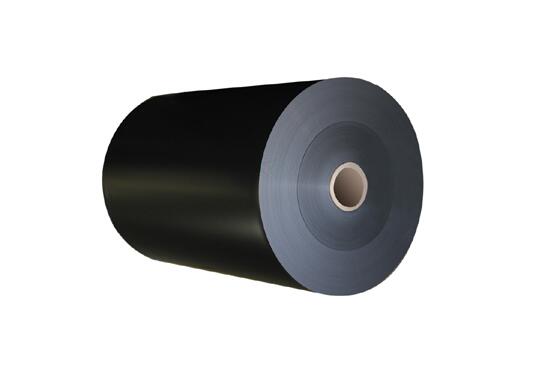


Zhihong Plastic manufactures and supplies HDPE plastic sheets, cut-to-size panels and CNC-machined parts for industrial fabrication. HDPE is a high-density polyethylene with low water absorption, impact toughness and resistance to many chemicals. It is a practical choice for damp environments and fabricated components where its stiffness, temperature limits and dimensional movement suit the design.
Choose the HDPE grade for the job
- General-purpose HDPE: suitable as a starting point for equipment panels, guards, trays and machined components. Specify the service conditions as well as the required size.
- Outdoor applications: request a UV-stabilized formulation and define the exposure, color and intended service life. The material name or a black appearance alone does not establish weathering performance.
- Flame-retardant requirements: specify the fire test, classification and finished thickness. A flame-retardant formulation is a separate material option, not a property of standard HDPE.
- Anti-static or conductive requirements: define the resistance range, measurement method and service conditions. These formulations should not be substituted for general-purpose insulating HDPE without reviewing the application.
- Food-contact applications: request documentation for the offered grade and color under the destination market's requirements. HDPE resin identification alone does not establish the compliance of a finished sheet.
Material behavior in service
HDPE absorbs little water, but low water absorption does not mean a part will keep its dimensions under every load. Compared with metal, HDPE has lower stiffness and greater thermal expansion; sustained loading can also cause creep. Check support spacing, fastening, load duration and temperature, especially for large panels or closely fitted parts.
HDPE resists many aqueous acids, alkalis and salts, but it is not compatible with every chemical. Concentration, temperature, contact duration and mechanical stress can change the result. Oxidizing media and mixtures need particular attention; use grade-specific data and representative testing for critical chemical service.
Typical fabrication applications
- Equipment guards, access panels and partitions where a tough, moisture-resistant plastic is suitable
- Tank liners, splash guards and chemical-equipment panels after reviewing chemical compatibility and the joining design
- Work surfaces, bench inserts, jigs and fixtures; cutting boards for food contact require the appropriate documented grade
- Bins, trays, separators and material-handling components exposed to water or repeated cleaning
- Marine, agricultural and outdoor panels made from a formulation suited to the exposure and service conditions
- Machined spacers and non-structural parts; compare UHMWPE with HDPE for abrasive wear strips or demanding sliding service
Review the industrial HDPE application guide for examples of how service conditions influence material selection. This product page covers sheet supply, fabrication and order specification.
Sheet formats and fabrication
We supply full sheets, cut-to-size panels and parts machined from buyer drawings. Roll format is considered only where the thickness and width are suitable for production and handling. Confirm the offered format rather than assuming that a rigid sheet can be supplied on a roll.
- Cutting and CNC machining: identify the finished dimensions, datum surfaces, functional tolerances, holes, slots and edge details. HDPE can deform under clamping pressure, so the inspection conditions should match the drawing requirements.
- Welded assemblies: specify the sheet grade, compatible welding rod and joining method. Welding suitability depends on the materials and procedure; a trial joint can establish acceptance criteria for a new or critical assembly.
- Thermoforming or bending: provide the finished geometry, sheet thickness and proposed process. Heating and cooling affect shrinkage and shape, so approve a representative formed part where fit or appearance matters.
- Printing or bonding: HDPE has low surface energy, making it difficult to bond with many conventional adhesives. Select a compatible adhesive or ink system and any necessary surface treatment, then test adhesion under the intended conditions.
Information for a sheet or machined-part quotation
- Application, load, support layout and any safety-critical function
- Chemical contact, operating temperature, cleaning method and indoor or outdoor exposure
- Required grade or performance, with the test method and documentation where applicable
- Thickness, width, length, color, surface finish and functional tolerances
- Full-sheet or cut-panel format, or a dimensioned drawing for finished parts; state any roll requirement separately
- Order quantity, repeat demand, packing constraints, delivery destination and agreed inspection records
Inspection and order acceptance
The quotation and order record the material and acceptance requirements. Agreed checks may cover sheet thickness and dimensions, surface appearance, quantity, machined features and packing condition. If you need a sample approval, material report, photo record or third-party inspection, define its scope before production; a dimensional check is not a substitute for an application-specific performance test.
Frequently asked questions
Is HDPE board different from HDPE sheet?
Sheet and board are commercial descriptions rather than separate material grades. A thicker product may be called a board, but the name does not define its resin, properties or tolerance. Use the grade, thickness, dimensions and surface specification to compare offers.
How is chemical suitability checked?
Start with data for the offered grade and the actual chemical, concentration and temperature. Account for contact time, applied stress and mixtures rather than relying on a general chemical-resistance label. Critical equipment may need a representative test and engineering approval.
Can standard HDPE sheet be used outdoors?
Outdoor exposure calls for a formulation with suitable UV stabilization and performance data for the intended conditions. Specify sunlight, temperature, color and expected service life. Standard HDPE, or a sheet described only as black, should not be assumed to have a verified outdoor lifetime.
How do I choose the sheet thickness?
Consider load, support spacing, temperature, fastening and allowable deflection together. A thicker sheet is not automatically an adequate structural design, particularly under a sustained load. Use the HDPE sheet thickness guide to prepare the dimensions and service conditions for review.
Can I evaluate a sample or machined prototype?
A sheet sample helps assess color, surface and basic processing; a first article can help check a finished part against the drawing. Send the evaluation purpose and required format so availability, cost and timing can be included in the quotation.
Discuss your HDPE sheet project
Review the flame-retardant HDPE sheet options when the project has a defined fire-test requirement. Review the two-color HDPE engraving sheets for layered-color signage or engraved panels. Send your HDPE application, sheet dimensions or part drawing, quantity and destination for a factory quotation.