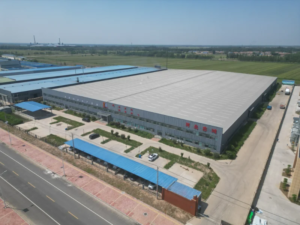
HDPE vs PP fabrication is not decided by chemical resistance alone. Sheet stiffness, thermal movement, machining behavior, welding procedure, joint design, support, and inspection can determine whether a tank, cover, guard, or machined part works as intended.
Both materials can be cut, CNC-machined, formed, and welded with suitable equipment. They are not interchangeable, and they should not be joined with the same filler rod as if they were one material. This guide focuses on fabrication and design checks. For a broader material comparison, read our HDPE versus PP selection guide.
Practical distinction: HDPE is often selected when toughness and impact tolerance matter; PP is often selected when greater stiffness and performance at a higher operating temperature are priorities. The exact grade, load, chemical, and fabrication design must still be checked.
HDPE vs PP fabrication at a glance
| Fabrication factor | HDPE | PP | Buyer check |
|---|---|---|---|
| Stiffness | More flexible in many comparable grades | Generally stiffer | Panel span, reinforcement, deflection limit |
| Impact behavior | Often more tolerant, including at lower temperatures | Grade-dependent; may become less impact tolerant in cold service | Minimum temperature, notch and impact exposure |
| Heat response | Softens and moves under heat and load | Often retains useful stiffness at a higher temperature | Continuous/peak temperature, load, support and safety factor |
| Machining | Machines readily but can move as material is removed | Machines readily; stiffness may aid some features | Critical dimensions, temperature, wall thickness and fixturing |
| Welding | Hot-gas, extrusion, butt and other thermoplastic processes may be used | Similar process families with PP-compatible settings and filler | Matched material, weld procedure, operator skill and test plan |
| Bonding | Low surface energy makes routine adhesive bonding difficult | Also difficult without a validated treatment and adhesive system | Prefer mechanical or welded joints unless bonding is tested |
1. Start with the fabricated assembly
A flat sheet data sheet does not describe a finished tank or component. Record the assembly dimensions, unsupported spans, liquid head or mechanical load, pressure or vacuum, openings, restraints, temperature cycle, chemical contact, cleaning, outdoor exposure, and required life.
HDPE’s flexibility can help with impact but may require closer support or thicker sections where deflection matters. PP’s greater stiffness can be useful for panels and process equipment, but cold impact and stress concentration still need attention. Do not transfer a metal design directly to plastic without reviewing creep and thermal expansion.
2. Design for thermal movement and creep
Both HDPE and PP expand more than metals and can deform gradually under sustained load. The effect depends on grade, temperature, stress, time, geometry, and support. A part that is acceptable during a room-temperature inspection can move in service when it is heated or continuously loaded.
Allow sliding or expansion where needed, avoid over-constraining large panels, distribute fastener loads, and check unsupported spans. Define operating and cleaning temperatures separately. Published short-term property values should not be treated as an automatic continuous-use limit for a fabricated assembly.
3. Plan cutting and CNC machining around plastic behavior
Sharp tools, stable support, chip removal, and heat control help produce clean edges in both materials. Excess heat can smear the cut or affect dimensions. Removing large amounts of material can release internal stress, especially in thin walls, deep pockets, or asymmetric parts.
A fabrication drawing should identify critical dimensions and datums, inspection temperature, edge and surface requirements, and acceptable tool marks. Use generous internal radii where possible and avoid unnecessary metal-like tolerances. A first article is useful for complex or tight-fitting parts.
| Feature | Fabrication risk | Design response |
|---|---|---|
| Thin wall or web | Movement, chatter, or distortion | Increase support or thickness; review machining sequence |
| Deep pocket | Heat and stress release | Use suitable radii, staged machining, and inspection plan |
| Hole near an edge | Cracking or pull-through under load | Increase edge distance and distribute fastener load |
| Press or interference fit | Assembly stress and temperature-sensitive fit | Validate clearance across the operating range |
| Large flat panel | Deflection and thermal movement | Define support spacing and expansion allowance |
4. Keep HDPE and PP welding systems separate
Thermoplastic welding requires compatible base material and filler, clean prepared surfaces, controlled heat and speed, suitable joint geometry, and trained execution. HDPE filler is used with compatible HDPE; PP filler is used with compatible PP. A visually similar rod is not proof of compatibility.
Record the sheet grade, filler identification, welding process, joint preparation, equipment settings or approved range, operator, and inspection method. Changes in resin grade, filler, thickness, equipment, or joint geometry may require review before repeat production.
5. Choose a welding process for the joint
Hot-gas welding can be useful for detail work and some repairs; extrusion welding is often used for larger seams and heavier sections; butt welding can join compatible sheet edges with appropriate equipment. Process suitability depends on material, thickness, access, geometry, production volume, and structural requirement.
The process name alone does not guarantee joint strength. Ask the fabricator how joint preparation, bead sequence, heat input, cooling, start/stop areas, and operator access are controlled. For tanks or containment, the engineering design must consider the entire structure, not only a sample weld bead.
6. Check chemicals and temperature as a combined condition
Chemical compatibility can change with concentration, temperature, contact time, stress, and contaminants. A material that tolerates a chemical at room temperature may not be appropriate when the liquid is hot or when a welded joint is continuously stressed.
Provide the exact chemical name, concentration, normal and cleaning temperature, continuous or intermittent contact, pressure, and expected life. Ask for grade-specific compatibility data and engineering review. Do not rely on claims that one polymer is universally better for all acids, alkalis, oxidizers, or solvents.
7. Design fasteners and attachments for movement
Bolted panels need enough edge distance, bearing area, and movement allowance. Washers or load-spreading features can reduce local crushing. Overtightening can create stress around a hole, while a rigidly fixed large panel may bow as temperature changes.
For inserts, hinges, nozzles, brackets, and pipe connections, review local load and reinforcement. Adhesive bonding of untreated HDPE or PP is difficult because of their low surface energy; use a bonding system only after validating surface treatment, adhesive, environment, and production controls.
8. Define fabrication inspection before production
| Stage | Useful control |
|---|---|
| Material receipt | Grade, color, thickness, batch, and filler identification |
| First article | Drawing dimensions, fit, edge/surface, and approved sample |
| Welding | Procedure, operator, joint preparation, bead appearance, test coupon if required |
| Finished assembly | Critical dimensions, visual inspection, and suitable leak or functional test |
| Release | Actual readings, photos, quantity, labels, and packing record |
The required test depends on risk and product type. A non-pressure cover and a liquid containment vessel should not use the same generic checklist. State applicable codes, customer specifications, and acceptance criteria in the RFQ.
Which material fits common fabrication priorities?
- Consider HDPE for impact-tolerant guards, covers, wet-area components, outdoor parts with a stabilized grade, and machined components where flexibility is acceptable.
- Consider PP for many chemical-equipment panels, tanks, ducts, and structures where added stiffness or higher operating temperature capability is needed.
- Escalate the decision when the assembly is pressurized, highly loaded, regulated, exposed to aggressive chemicals, operated near the grade’s limit, or difficult to inspect after installation.
These are screening directions, not final approvals. Material grade, thickness, support, joint design, fabrication procedure, and inspection determine the finished result.
Information to send a fabricator
Send the application, chemical and concentration, temperature range, load or pressure, part or tank dimensions, material preference, drawing revision, quantity, critical tolerances, welding standard if applicable, inspection and leak-test requirement, documentation, destination, and required date.
Use our custom plastic sheet RFQ checklist to prepare a comparable inquiry, or review the available HDPE and PP fabrication services.
Frequently asked questions
Can HDPE be welded to PP?
They should not be treated as mutually compatible welding materials. Use matched base and filler materials, or redesign the connection as a validated mechanical interface between the two components.
Is PP always better for a chemical tank?
No. The chemical, concentration, temperature, load, required stiffness, fabrication method, and design standard determine suitability. Some duties favor PP; others may suit HDPE or another material.
Can welded plastic tanks be pressure vessels?
Pressure service requires specialist engineering, applicable design rules, qualified fabrication, and appropriate testing. A general sheet-and-weld quotation is not sufficient.
Why does a machined plastic part change size?
Temperature, moisture for some polymers, internal stress, machining heat, removed material, and fixturing can affect dimensions. HDPE and PP designs should include realistic tolerances and an agreed inspection condition.
Review an HDPE or PP fabrication drawing
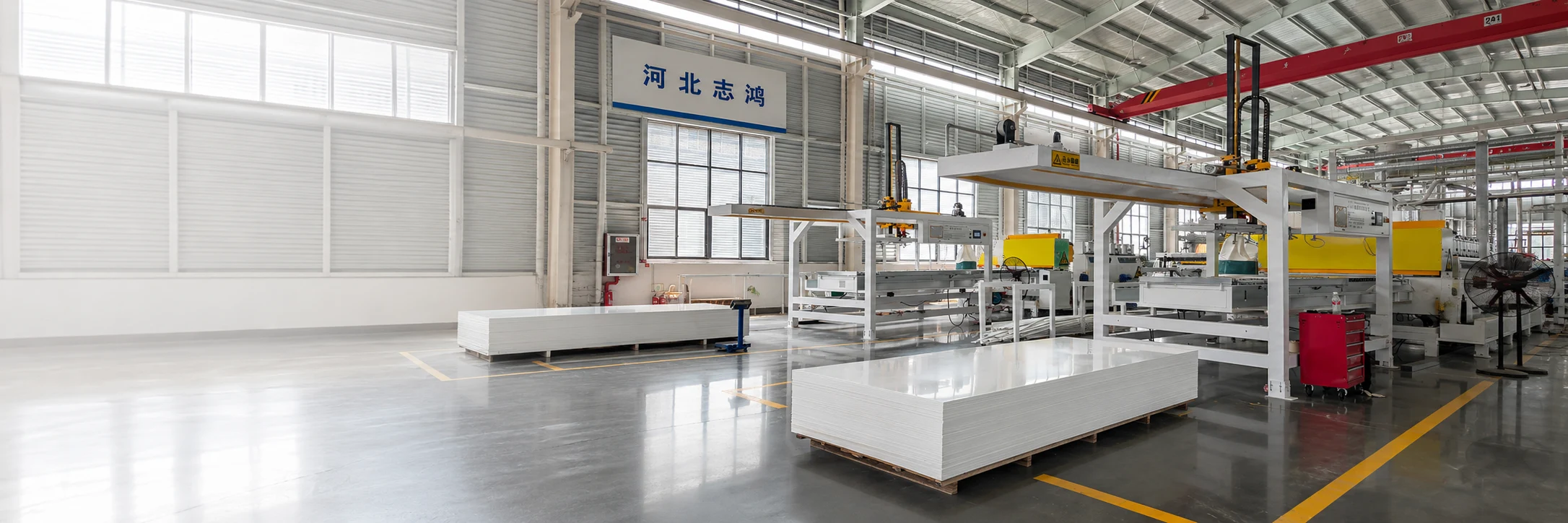
Zhihong Plastic supplies HDPE and PP sheet plus cut, CNC-machined, and fabricated components. Send the working conditions and drawing so we can review grade, thickness, processing, inspection, and packing requirements before quotation.