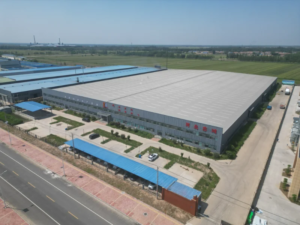
HDPE ground protection mats are used to create temporary access routes and provide surface protection for construction, landscaping and events. When you enquire, tell us about the traffic conditions and the ground support, not just the area to cover. A mat’s performance depends on its design and the site; it is not simply a replacement for a permanent concrete or asphalt road.
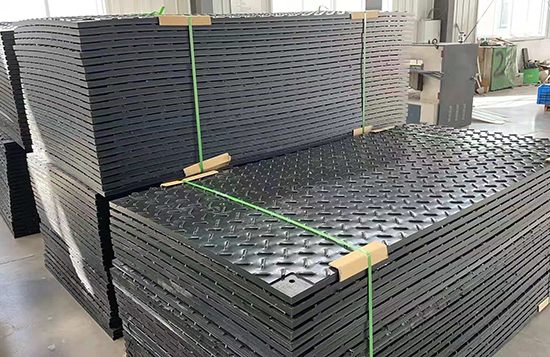
Specify the Material and Mat Design Together
High-density polyethylene (HDPE) identifies the polymer family, not a complete mat specification. Formulation, thickness, tread, dimensions and connection details all matter. Review these points for the proposed product:
- Impact and flexing: check the mat grade and design for the expected traffic and temperature conditions.
- Chemical and outdoor exposure: identify fuel, oil, cleaning agents and sunlight exposure rather than assuming universal resistance.
- Water uptake: request the relevant grade data for wet service; low water absorption does not make soft ground load-bearing.
- Stiffness and dimensions: assess the finished mat, not only a resin property or a thickness value.
A ground protection mat may help reduce surface damage and provide a defined access route, but it cannot make an unsuitable site safe by itself. Do not assume a temporary access mat can replace a project-designed crane outrigger pad, load-support platform or bridging system.
Plan the Layout and Site Use
Use the instructions for the specified mat and connection system, together with the site’s traffic and ground assessment. The following points help define the installation requirements:
- Site Assessment and Traffic
Establish the route, vehicle types, wheel or track loads, slopes, drainage and ground support. Safety-critical ground conditions require assessment by a suitably qualified person, including any buried services or unsupported areas. - Ground Contact
Check obstacles, uneven support and changes in the underlying ground. Laying mats over a weak spot or void is not the same as providing an engineered support system. - Mat Layout
Arrange the HDPE mats according to the selected model’s layout instructions. Confirm the edge, joint and connector arrangement; do not assume all mats overlap or interlock. - Connections and Restraint
Use the connector type and fixing method specified for that mat. Confirm compatibility and the layout requirements rather than substituting generic steel pins or improvised fittings. - Inspection During Use
Check mat movement, damaged edges, lifted joints, loose connectors and changes in ground support. Ground deterioration or excessive deformation needs review before continued traffic.
Check Each Feature Against Your Project
Handling and Transport
Confirm the actual mat weight, handles and stacking arrangement before planning lifting, transport and placement. Some mats can be handled manually, while others need lifting equipment; “HDPE” alone does not decide the method.
Load Ratings and Ground Support
For vehicle access, review the actual wheel or track contact loads, mat layout and supporting ground. A headline vehicle tonnage or material compression test is not a universal safe-load rating for every site.
Weather and Chemical Exposure
The proposed formulation should be checked for sunlight, temperature changes and any fuel, oil or cleaning chemicals. Service life also depends on traffic, inspection and site conditions, not only the polymer name.
Reuse and End-of-Life Handling
Mats may be reused after inspection and cleaning when their condition remains suitable for the next job. For end-of-life recycling, confirm whether the local collector accepts the actual formulation and contamination level. Plan recovery or disposal alongside the supply order.
Tread for Vehicles or Pedestrians
Match the tread to the intended users, footwear and tyres. Surface traction changes with mud, water and ice; a textured surface alone does not guarantee grip in every condition.
Specifications to Agree Before Ordering
| Item | What to Confirm |
|---|---|
| Material and model | HDPE formulation and the proposed mat design |
| Dimensions and thickness | Overall size, working coverage and thickness definition |
| Mat weight and handling | Weight of the offered model, handles and lifting requirements |
| Tread and underside | Surface pattern suited to traffic and the surface being protected |
| Loads and ground | Wheel or track contact loads, ground support and layout conditions |
| Operating environment | Temperature range, outdoor exposure and chemical contact |
| Connections | Compatible connectors, joint details and quantities required |
A material strength test is not the same as a usable vehicle-load rating on soft ground. Request the mat model and test conditions, and assess the site separately.
Mat Configuration and Order Details
Let us know whether you need a vehicle tread or pedestrian-facing surface, and describe the joint arrangement and any custom-cut areas. We will check which requested options can be supplied for your project.
Share the Site Information
Alongside the mat requirements in the table, provide a sketch of the temporary route or coverage area.
Site: ground condition, slopes, drainage and the surface to protect
Traffic: vehicle or pedestrian use, contact loads and movement pattern
Layout: route width, access points and any obstacles or changes in level
Send us your site plan and mat requirements. We can review the mat and connector options for your enquiry.
Order Checks and Export Packing
- Agreed specification: the order should identify the selected mat model and requested options, including any drawing-based changes.
- Inspection: agree the dimensional, surface and connection checks for the order. Material data or an inspection record should not be treated as site-specific load approval.
- Packing: confirm mat and connector quantities, pallet or crate requirements, shipping marks and handling constraints before dispatch arrangements are agreed.
Get a Factory Quote
Your project specification, layout drawing, order quantity, delivery destination and required date help us prepare your quotation. We will confirm the offered configuration and lead time for the order.