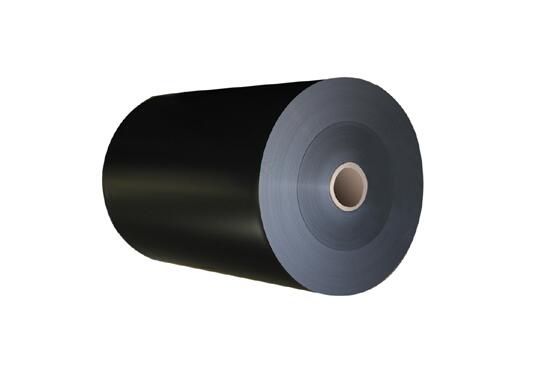


Industrial HDPE sheet is selected for fabricated panels and parts exposed to water, repeated handling or industrial chemicals. This page focuses on application decisions—load, temperature, chemical contact, installation and fabrication. For standard product availability, see our HDPE plastic sheet specifications and quotation page.
Select Industrial HDPE by Service Conditions
Define the following conditions before choosing a grade or thickness:
- Load and support: panel span, fixing points, impact, vibration and whether the part carries a structural load.
- Material composition: state whether virgin resin, controlled reprocessed content or a specific resin and traceability are required; do not assume different blends have identical properties.
- Chemical contact: substance, concentration, temperature, contact time and whether exposure is continuous, splash-only or part of a cleaning cycle.
- Temperature: normal and short-term extremes, including the installation temperature and expected temperature change in service.
- Environment: indoor or outdoor use, UV exposure, moisture, hygiene requirements and any abrasive material.
- Compliance: food contact, flame performance, or antistatic, static-dissipative or conductive behavior. For an electrical requirement, state the target resistance range and test method.
- Fabrication: cutting, routing, drilling, welding, bending, surface preparation and the tolerances that matter to assembly.
Applications Where HDPE Is a Practical Fit
- Chemical splash and wash-down areas: liners, wall protection and removable panels after chemical and cleaning-agent compatibility is reviewed.
- Machine and workplace protection: guards, covers, kick plates, dividers and impact panels that do not rely on high structural stiffness.
- Wet and outdoor equipment: panels and fabricated components made from a grade confirmed for the UV and temperature conditions.
- Material-handling parts: guides, spacers and low- to moderate-wear components; severe abrasion or very low-friction service should also be compared with UHMWPE.
- Industrial work surfaces: easy-to-clean tops and cutting surfaces when the selected grade has the documentation required by the application.
For a useful material comparison, see our HDPE vs UHMWPE selection guide.
Know When Another Material May Be Better
HDPE is not the default answer for every plastic panel. A stiffer material or closer support may be needed for long unsupported spans, and creep under sustained load must be considered in long-term sizing. Higher-temperature service can require another polymer or a verified special grade. Severe sliding wear may favor UHMWPE, and tight adhesive bonding is difficult because untreated HDPE has low surface energy.
Standard HDPE should also not be substituted where the drawing calls for documented flame-retardant HDPE, antistatic, static-dissipative, conductive, food-contact or potable-water performance. Those are grade-specific requirements, not general properties of every sheet.
Design for Thermal Movement and Fastening
HDPE changes dimension more with temperature than metal and many rigid construction materials. Large panels need an installation plan that allows movement without buckling or overstressing fasteners.
- use suitable support spacing for the panel thickness and load;
- allow clearance or slots where the temperature range and panel length require movement;
- avoid over-tightening fasteners and use washers or bearing areas appropriate to the design;
- state the assembly temperature and service temperature range when dimensional fit is critical;
- agree gaps, overlaps and joint details before large panels are cut.
Review Chemical and Cleaning Exposure
A general statement that HDPE resists “acids and alkalis” is not enough for a production decision. Compatibility changes with concentration, temperature, stress and duration. Send the chemical name, concentration, working temperature and contact pattern. We can compare available grade information and identify conditions that require customer testing or engineering approval.
Cleaning processes matter as well. Include detergents, disinfectants, hot-water or steam temperature, pressure, cycle duration and frequency. Standard HDPE should not be assumed suitable for steam sterilization; the specific grade and finished design must be reviewed against the complete cycle.
Fabrication and Drawing Requirements
Cut-to-size panels, holes, slots, chamfers and routed profiles can be quoted from a dimensioned drawing. Identify datum points, critical dimensions, edge condition, surface orientation and any inspection method. Tolerances should reflect the part size, machining process and measurement temperature.
For downstream welding, bending, printing or bonding, tell us the intended process. Welding should use a compatible HDPE rod and a qualified procedure. Printing or adhesive bonding normally needs surface preparation and an ink or adhesive system validated for HDPE.
What to Send for a Project Quotation
- application and service conditions, including chemical, temperature, cleaning and load;
- sheet dimensions or part drawing, critical tolerances and required processing;
- quantity, destination and target delivery date;
- known grade and any required inspection or compliance documents.
We will confirm the available material, manufacturable dimensions and tolerances, processing scope, MOQ, lead time and agreed records in the quotation.
Frequently Asked Questions
How should a large HDPE panel allow for movement?
Provide the panel length, support layout, fastener pattern, installation temperature and service temperature range. The design can then use appropriate clearance, slots, gaps and support without locking the sheet against thermal movement.
When should UHMWPE be compared with HDPE?
Compare UHMWPE when the part sees severe sliding abrasion, demanding wear or a stronger need for low friction. HDPE can remain the practical choice for general guards, liners and fabricated panels where those properties are less critical.
Can an HDPE panel be cleaned with steam?
Do not assume so from the material name. Send the steam temperature and pressure, exposure time, number of cycles, applied load and required dimensional stability so the grade and design can be reviewed.
What information is needed for a non-structural machine guard?
Send the panel span, support and fastener positions, expected impact or vibration, temperature range and drawing. The purchaser’s engineer remains responsible for structural and machine-safety approval.
Request an Industrial HDPE Sheet Quote
For China factory supply, send the application, service conditions, drawing, quantity and destination. If CNC work is required, you can also review our custom plastic workpieces. Zhihong Plastic will respond with the available grade, manufacturing scope and commercial terms for approval.