How to Identify the Quality of PP Plastic Sheets: Practical Advice from a Manufacturer
When purchasing PP plastic sheets, many buyers compare price first. However, from a manufacturer’s point of view, price is only one part of the decision. The real value of a plastic sheet depends on raw material quality, extrusion stability, thickness control, surface condition, mechanical performance and whether the material is suitable for the final application.
As a China-based manufacturer of polypropylene PP plastic sheets, Zhihong Plastic often helps customers compare different materials for chemical tanks, water treatment equipment, ventilation systems, machine guards, industrial panels and custom plastic parts. In this article, we share practical ways to identify the quality of PP sheets and other industrial plastic boards before purchasing.
These methods are useful for distributors, fabricators, equipment manufacturers and project buyers who want to reduce purchasing risk and choose a reliable long-term supplier.
1. Understand the Basic Properties of PP Sheets First
Before judging quality, it is important to understand what PP material should normally offer. PP, also known as polypropylene, is a lightweight thermoplastic material with good chemical resistance, low moisture absorption, good stiffness and practical processing performance. Compared with many general-purpose plastics, PP is often selected for applications that require corrosion resistance and easy fabrication.
High-quality PP sheets should have stable material performance, uniform thickness, clean surface appearance and reliable processing behavior during cutting, welding, bending or CNC machining. If the sheet is made with poor raw materials or unstable production conditions, problems may appear during fabrication or actual use.
Common Advantages of PP Plastic Sheets
- Good resistance to acids, alkalis and many chemical media
- Lower density compared with many engineering materials
- Good rigidity and dimensional stability for industrial panels
- Easy to cut, weld, bend and fabricate
- Suitable for tanks, ducts, covers, guards and corrosion-resistant equipment
If your project requires higher impact strength, outdoor toughness or moisture resistance, you may also compare PP with PE plastic sheets or HDPE sheets before confirming the final material.
2. Check the Surface Gloss and Smoothness
The surface is the first thing buyers can observe when receiving PP sheets. A good sheet usually has a clean and uniform surface without obvious bubbles, cracks, flow marks, dark spots, scratches or rough areas. Surface gloss should be consistent across the sheet unless the product is intentionally made with a matte or textured finish.
Uneven gloss may indicate unstable extrusion temperature, poor raw material mixing or excessive recycled content. Visible impurities can also affect later welding, cutting or appearance requirements, especially when the board is used for tanks, covers, machine guards or visible industrial components.
What to Look for on the Surface
- Uniform gloss or consistent matte finish
- No obvious bubbles, pinholes or cracks
- No large color differences or dark impurities
- No serious scratches or rough patches
- Smooth surface suitable for welding, cutting or fabrication
Surface inspection is a simple but useful first step. It cannot replace technical testing, but it helps buyers quickly reject obviously poor-quality sheets.
3. Observe Color Uniformity and Material Cleanliness
Color consistency is another important sign of production stability. For natural or light-colored PP sheets, buyers can observe whether the sheet has uniform translucency and whether there are cloudy areas, black dots, uneven color bands or visible contamination. For black, grey or other opaque PP sheets, the cut edge and surface uniformity are useful references.
A clean and uniform sheet usually means the raw materials, color masterbatch and extrusion process are well controlled. If the color changes greatly from one area to another, it may suggest unstable mixing, inconsistent material quality or poor batch control.
Color and Cleanliness Checklist
- Consistent color from edge to center
- No obvious black spots or foreign particles
- No cloudy patches in natural PP sheets
- No serious color difference between sheets in the same batch
- Clean cut edge without abnormal layers or contamination
For buyers who require strict appearance standards, it is better to confirm color samples before bulk production. Zhihong Plastic can provide customized color and sheet specifications according to project requirements.
4. Check Thickness, Flatness and Dimensional Stability
For industrial use, sheet dimensions are just as important as appearance. A PP sheet with unstable thickness may cause problems during welding, cutting, CNC machining or installation. If the board is not flat, it may be difficult to assemble into tanks, covers, equipment panels or structural parts.
Buyers can use a caliper to check different points across the sheet, including the center and edges. If the thickness difference is too large, it may indicate poor extrusion control. Flatness should also be checked by placing the sheet on a flat surface and observing whether there is serious warping or bending.
Important Dimensional Checks
- Thickness consistency across different positions
- Sheet width and length accuracy
- Flatness after cooling and cutting
- Edge straightness and trimming quality
- Dimensional stability after cutting or machining
At Zhihong Plastic, dimensional control is part of our production and inspection process, especially for customers who need custom plastic sheet fabrication or drawing-based machining.
5. Use Density as a Rough Reference
PP has a relatively low density compared with many other plastics. In simple terms, standard PP is usually lighter than water, so a small sample may float or stay close to the water surface. Some buyers use this simple floating test as a rough way to identify whether the material may contain too much filler or other heavier materials.
However, this method should not be used as the only standard. Some modified PP materials, reinforced PP sheets or filled grades may have higher density by design. Therefore, the floating test is only a quick reference, not a complete quality judgment.
How to Use the Floating Test Correctly
- Cut a small clean sample from the sheet
- Place it into clean water at room temperature
- Observe whether it floats, sinks slowly or sinks quickly
- Compare the result with the supplier’s material description
- Use the result together with surface, thickness and performance checks
If a sheet sold as standard PP sinks quickly without any explanation, buyers should ask the supplier about filler content, formulation and material grade before purchasing in bulk.
6. Evaluate Toughness and Impact Performance
Good PP sheets should have suitable toughness for their intended use. A board that cracks easily during cutting, drilling or bending may not be suitable for industrial fabrication. When comparing samples, buyers can check whether the sheet edge chips easily, whether drilled holes crack and whether the material feels brittle under normal handling.
For applications such as chemical tanks, equipment covers, water treatment systems or machine guards, toughness is important because the sheet may experience vibration, impact, fastening pressure or long-term mechanical stress. If higher impact performance is needed, modified PP or other materials may be considered.
For high-impact outdoor applications, customers may also compare PP with HDPE ground protection panels or other HDPE products, depending on the working conditions.
Practical Toughness Checks
- Cut a small sample and observe whether the edge chips badly
- Drill a hole and check for cracks around the hole
- Bend a thin sample slightly and observe whether it breaks too easily
- Check whether the material becomes brittle in the expected working temperature
- Ask the supplier for material grade and application recommendations
For important projects, buyers should not rely only on hand testing. It is better to request technical information or trial samples before confirming large orders.
7. Consider Welding, Cutting and Machining Performance
Many PP sheets are not used as simple flat panels. They are often welded into tanks, cut into components, bent into covers or machined into special parts. For this reason, processing performance is a key sign of real quality.
A stable PP sheet should cut cleanly, weld properly and maintain shape during fabrication. If the material has poor internal uniformity, excessive filler or unstable formulation, it may show problems such as weak welding strength, rough cutting edges, cracking, warping or inconsistent machining results.
Zhihong Plastic supplies both standard sheets and custom CNC-machined plastic workpieces, so we pay attention to how the material performs after secondary processing, not only how it looks after extrusion.
Processing Quality Indicators
- Clean cutting edge without excessive chipping
- Stable drilling performance without cracking
- Good welding compatibility for tank and duct fabrication
- Low warping during cutting or machining
- Consistent machining result across the same batch
If your order requires precise machining, we recommend sending drawings, tolerance requirements and application details before production. This allows our team to suggest suitable thickness, material grade and processing method.
8. Ask About Raw Material and Formulation
Two PP sheets may look similar, but their performance can be very different if the raw materials and formulation are different. Virgin PP, recycled PP, filled PP, reinforced PP and modified PP grades may all have different density, stiffness, impact strength, welding performance and service life.
For low-cost temporary use, some recycled content may be acceptable if the buyer understands the limitation. For chemical tanks, industrial equipment, export projects or long-term outdoor use, material stability becomes much more important. Buyers should ask the supplier clearly what grade is being offered and whether it matches the final use.
Questions to Ask the Supplier
- Is the sheet made from virgin material, recycled material or a blended formulation?
- Is it standard PP, filled PP, reinforced PP or modified PP?
- Is the sheet suitable for welding or CNC machining?
- Can the supplier provide consistent material for repeat orders?
- Can the material resist the chemicals used in my application?
- Is the board suitable for the working temperature and installation environment?
A responsible manufacturer should be willing to discuss material selection honestly. The cheapest material is not always the lowest-cost solution if it causes failure, rework or replacement later.
9. Compare PP Sheets with PE and HDPE When Necessary
PP is a good material for many corrosion-resistant and fabricated applications, but it is not always the best choice for every working condition. If the application requires higher impact strength, better low-temperature toughness or outdoor durability, PE sheets or HDPE boards may be more suitable.
Material selection should be based on actual use, not only product name. At Zhihong Plastic, we often help customers compare PP, PE and HDPE according to chemical exposure, temperature, impact load, outdoor environment, machining needs and installation method.
| Material | Main Advantages | Common Applications |
|---|---|---|
| PP Sheet | Chemical resistance, weldability, good stiffness, low density | Chemical tanks, exhaust ducts, plating lines, water treatment equipment |
| PE Sheet | Impact resistance, moisture resistance, electrical insulation, easy processing | Machine covers, liners, food processing parts, general industrial panels |
| HDPE Sheet | High toughness, outdoor durability, low moisture absorption, strong impact resistance | Wear plates, marine boards, ground protection mats, machined parts |
If you are not sure which material to choose, please provide working temperature, chemical medium, load condition, sheet size, processing method and expected service life. Our team can help recommend a more suitable plastic sheet solution.
10. Choose a Manufacturer with Stable Production and Quality Control
Simple inspection methods can help buyers identify obvious quality differences, but the most important factor is still the supplier’s production control. A reliable manufacturer should control raw material selection, extrusion temperature, sheet thickness, cooling process, cutting accuracy, surface inspection and packing before shipment.
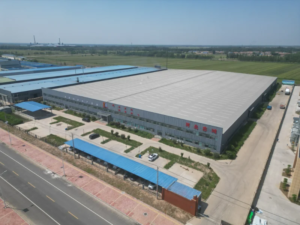
Zhihong Plastic focuses on industrial plastic sheet manufacturing, including PP, PE, HDPE sheets, two-color boards, ground protection panels and custom plastic workpieces. We support standard sheet supply, customized sizes, color options, cut-to-size service and CNC machining according to drawings.
You can learn more about our factory background on the About Zhihong Plastic page, or view our full range of plastic sheets and boards in the product center.
Why Work with Zhihong Plastic?
- Factory-direct supply for PP, PE and HDPE plastic sheets
- Practical material selection advice based on application conditions
- Custom thickness, size, color and surface options
- Cut-to-size and CNC machining support
- Dimensional checks and surface inspection before packing
- Export packing for bulk and project orders
- Support for distributors, OEMs and industrial project buyers
Get a Factory Quote for PP Plastic Sheets
If you are looking for high-quality PP plastic sheets or need help comparing PP, PE and HDPE materials, Zhihong Plastic can provide factory-direct production and practical technical support.
To receive an accurate quotation, please send us the following information:
- Required material: PP, PE, HDPE or other grade
- Sheet thickness, width and length
- Color and surface requirement
- Quantity and order frequency
- Application environment and working temperature
- Chemical contact, if any
- Drawing file if CNC machining is needed
- Destination country or port
Our team will review your requirements and reply with material suggestions, MOQ, lead time, packing method and factory quotation.
Zhihong Plastic looks forward to helping you choose reliable PP plastic sheets and long-term industrial plastic board solutions.