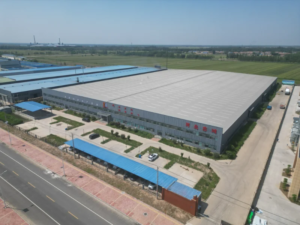
Zhihong Plastic supplies two-color HDPE sheets for engraving and drawing-based fabrication. For playground panels, start with the equipment design: the panel's role, supports, loads, fixing arrangement and outdoor exposure. A contrasting core can be revealed by machining the outer layer; the usable engraving depth depends on the agreed layer structure.
What Two-Color HDPE Adds to a Playground Panel
- Contrasting graphics: engraving can expose a different core colour without applying paint. Confirm the colour pair and layer structure on a sample.
- Outdoor specification: identify the UV and weather-exposure requirements for the offered grade. A two-colour construction alone does not establish outdoor performance.
- Edge processing: define corner radii, edge radii or chamfers and deburring on the drawing. These details do not replace the safety assessment of the finished equipment.
- Cleaning: select a surface and cleaning method suitable for the intended use. Check the cleaner on a small area before wider application.
Specify the Panel Before Requesting a Quotation
| Panel requirement | What to specify | What to agree before ordering |
|---|---|---|
| Panel dimensions | Length, width and finished outline | Sheet format and cut-to-size drawing |
| Panel thickness | Nominal thickness required by the equipment design | Suitability for the supports and loads; availability in the quotation |
| Layer structure | Outer layer / core / outer layer, if required | Layer colours, one- or two-sided engraving and outer-layer thickness |
| Material grade | HDPE grade and intended exposure | Grade-specific information relevant to the application |
| Panel surface | Matte or a defined texture, such as orange-peel | Reference sample, textured side and cleaning requirements |
| Thickness tolerance | Permitted variation at each nominal thickness | Measurement and acceptance method in the order |
| Panel flatness | Required flatness for the finished part | Measurement conditions and acceptance criterion |
| Colour and outdoor exposure | Outer-layer/core colours and exposure conditions | Sample approval and any required evidence for the offered grade |
| Order quantity and delivery | Quantity by colour, thickness and drawing revision | Minimum order quantity, production schedule and delivery terms in the quotation |
Estimate Sheet Weight for Transport Planning
The following is a worked calculation, not a confirmed product weight. It uses a 1220 × 2440 mm rectangular sheet and an assumed density of 0.95 g/cm³.
| Illustrative thickness | Calculated weight per sheet |
|---|---|
| 10 mm example | Approximately 28.3 kg |
| 12 mm example | Approximately 33.9 kg |
| 15 mm example | Approximately 42.4 kg |
Weight = length × width × thickness × density, using consistent units. Actual weight depends on the offered grade, dimensions and machining. Confirm the packed weight and pallet dimensions separately; these examples do not state available sizes or a safe design thickness.
Design the Supports and Fixings for the Actual Panel
- Thermal movement: use the offered grade's expansion information and the expected temperature range. The fixing arrangement must allow the movement established by the design.
- Holes and slots: specify their geometry, orientation, edge distances and clearances on the approved drawing. Expected movement must be included; do not treat screw diameter alone as a slot-length rule.
- Fasteners: select screws, bolts, washers or bushings for the equipment and exposure. Check clamp force, local bearing and movement allowance rather than relying on a material name alone.
- Fixing spacing: determine edge and interior fixing positions from the supports, panel dimensions and relevant loads, including wind where applicable. No universal spacing is specified here.
- Edges: specify the required radii or chamfers and check the finished part for sharp edges and burrs. The equipment designer remains responsible for the assembled design.
Check the Engraving on a Reference Sample
- Engraving depth: expose the intended core colour without cutting through to the rear outer layer. Set the depth from the confirmed layer structure and a trial cut, not a universal number.
- Tooling: agree the cutter profile and machining method for the drawing. Check cutting quality, chip removal and heat build-up during the trial.
- Lettering and symbols: assess line width, contrast and readability at the intended viewing distance. Approve the graphic and sample before production.
Material Information Is Not Equipment Approval
The sheet is one component of the finished playground equipment. A competent equipment designer and installer must assess the assembled design against the applicable local requirements. Identify the required material documents, tests and acceptance criteria before ordering, and check their availability and scope for the offered grade. Do not infer playground approval from HDPE, a rounded edge or a document relating to another material.
Plan Cleaning and Inspection
- Start with mild soap, water and a soft cloth or sponge; check compatibility with the supplied surface and material.
- Test any graffiti remover on a small area. Avoid cleaners that damage or alter the surface; a texture name is not a cleaning guarantee.
- Follow the equipment supplier's inspection and maintenance instructions. Check fixings, movement clearances and edges without restricting the intended thermal movement.
Information to Include in a Playground Panel Enquiry
- Material and exposure: offered grade to be agreed, indoor or outdoor use, climate and cleaning conditions.
- Dimensions: finished outline, nominal thickness, quantity and drawing revision.
- Layer colours and graphics: outer/core colours, engraving side, artwork and reference sample.
- Machining: cuts, corner and edge radii or chamfers, holes, slots and dimensional tolerances.
- Acceptance: thickness and flatness requirements, inspection method and any project-specific evidence.
- Packing: surface protection, separators, edge protection and pallet requirements.
- Delivery: destination, receiving constraints and agreed trade terms.
Review the two-color HDPE sheet specification for your playground panel. Compare the two-color HDPE sheet range before ordering. Request a playground panel quotation with your drawing and project requirements.
Questions About Specifying Playground Panels
Which thickness should a playground panel use?
Select thickness through the equipment design, considering the panel's role, supports, spans, loads and material grade. A thicker sheet alone does not establish a safe design. Include the selected nominal thickness and tolerance in the enquiry.
Does a two-color sheet guarantee colour stability outdoors?
No. State the expected UV and weather exposure and check the information relevant to the offered grade and colour. Agree the sample and any required colour-change evidence before ordering.
What is needed for pre-drilling and edge finishing?
Send a drawing showing holes, slots, corner radii, edge radii or chamfers and tolerances. Confirm the processing scope in the quotation and approve the drawing before production.
Does a material document certify the finished playground equipment?
No. Check what a document actually covers: material grade, test conditions, batch or product scope. The finished equipment still requires the assessment applicable to its design and market; confirm the required evidence with the responsible designer or assessor.
Agree the Supply Scope for the Project
- Custom specification: state dimensions, thickness, layer colours and requested machining. Confirm the available configuration in the quotation.
- Acceptance checks: agree dimensions, surface condition and the records required for the order before production.
- Export packing: agree protection, pallet or crate arrangement and marking for the actual shipment.
Request a Quotation for Your Panel Drawing
Send the panel drawing, material and exposure requirements, quantity by colour and delivery destination. The quotation should confirm the material configuration, processing scope, minimum order quantity and delivery arrangements. Keep the approved drawing and sample reference with the order.