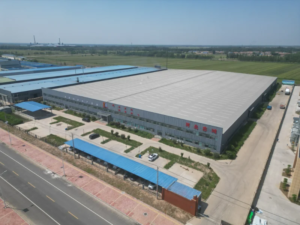
An HDPE sheet is a flat sheet made from high-density polyethylene. The name identifies a polymer family, but it does not define the supplied resin grade, additive package, thickness, color, surface, dimensions, test evidence or suitability for a particular part. Those details need to be specified before material is approved for a project.
What an HDPE Sheet Is — and What It Does Not Specify
HDPE may be supplied in different grades, colors, recycled-content policies and surface finishes. It can be ordered as a raw sheet or used as the starting material for a machined or fabricated part. A material name alone does not confirm compatibility with a chemical, an outdoor exposure, a load case, a food-contact requirement or a project-specific approval route.
Use “HDPE sheet” as the starting point for material selection, then define the actual component, service conditions and required documentation. This avoids treating one product label as interchangeable with every HDPE formulation or finished assembly.
Match the Sheet to Actual Service Conditions
- Media, concentration, temperature and exposure duration where chemical compatibility matters.
- Indoor or outdoor location, UV exposure, weathering expectation and temperature range.
- Load, support spacing, impact, abrasion, fastening method and allowance for thermal movement.
- Whether the part is a liner, cover, wear component, fabricated panel or another assembly.
- Any food-contact, electrical, flame-performance, transport or site-specific requirement that needs separate confirmation.
A material data sheet can support initial selection, but it does not automatically approve a finished tank lining, guard, enclosure or structural panel. Confirm the application boundary with the party responsible for the design or approval.
Choose Grade and Formulation Before Thickness
Some projects can begin with a standard HDPE sheet for industrial applications; others require a specific formulation, evidence package or processing review. For example, a project that calls for a particular PE100/HDPE 100 material should be evaluated against the exact HDPE 100 sheet option and its required document scope, rather than assuming that every HDPE sheet is equivalent.
Do not infer weathering performance, chemical suitability, food-contact status, flame performance or regulatory status from the words “HDPE,” a color, or a general brochure statement. Request the grade-specific information that the finished component needs.
Separate Sheet Selection From Component Approval
| Question | Sheet-supply review | Finished-part review |
|---|---|---|
| What is assessed? | Specified grade, thickness, color, surface and supplied sheet condition | Actual geometry, holes, joints, fasteners, adjacent materials and installed condition |
| What evidence may be relevant? | Material data and the requested declaration, report or certificate | Drawing, assembly method, installation rule and any required component-level approval |
| Who should confirm it? | Supplier and buyer against the RFQ | Project designer, authority or responsible approval party where applicable |
This distinction matters when the same sheet is machined, welded, supported by another material or installed with openings and fasteners. A supplier can review the offered material and production scope; final approval remains with the party responsible for the application.
Specify Dimensions, Thickness and Tolerances
State the sheet dimensions, the finished-part dimensions where machining is planned, and the measurement locations for any critical tolerance. If a panel is routed, drilled or faced, identify the finished thickness rather than only the incoming sheet thickness. Include flatness, edge condition, hole pattern and drawing revision when they affect fit or installation.
There is no universal HDPE thickness for every load or span. Support conditions, geometry, temperature, service duration and fastening details all affect whether a proposed sheet is suitable for the component.
Define Surface, Color and Appearance Requirements
Specify whether the visible face needs to be smooth, textured, matte, glossy, masked with protective film or packed for a cosmetic surface requirement. A textured finish can change handling and cleaning behavior, but it should not be treated as proof of a particular slip-resistance result unless the project defines the relevant test and acceptance criterion. Review the textured HDPE sheet guide when surface texture is part of the decision.
For repeat orders, define the color reference, acceptable variation, visible side, film requirement and marking method. These items should appear in the RFQ and purchase order, not only in an informal sample discussion.
Review Fabrication and Installation Early
Cutting, drilling, CNC machining, welding and fastening can change a part’s geometry, exposed surface and finished thickness. Provide the drawing, machining scope, weld details, edge condition, fastener layout and any assembled materials before release. Do not assume that a process used for one HDPE grade or panel shape automatically applies to another configuration.
Where installation affects the project requirement, define support spacing, mounting method, gaps, thermal movement allowance and interface materials. This helps the supplier quote a manufacturable scope and helps the project team retain responsibility for the installed design.
Consider Alternatives When Requirements Change
If the main requirement changes from general chemical or moisture exposure to a defined wear, load, temperature, compliance or fire-performance condition, review the material choice again. For example, compare the actual service requirement before deciding between HDPE and another polyethylene grade; the HDPE versus UHMWPE guide can help frame that comparison without replacing project-specific review.
Set Inspection, Packing and Document Controls
| Order control | What to define |
|---|---|
| Material identification | Offered grade, color, thickness range and any required lot or batch reference |
| Dimensions and surface | Measurement locations, tolerances, finished size, edge condition, visible side and protective-film requirement |
| Inspection basis | Sampling, records, photographs, first-part review or third-party inspection only if specified in the order |
| Packing and delivery | Pallet support, surface and edge protection, labels, destination, Incoterm and required delivery date |
Request material declarations, test records or certificates early enough to compare their scope with the actual order. A general data sheet can be useful, but it does not by itself prove that a particular sheet or finished part meets every project requirement.
RFQ Checklist for HDPE Sheet
- Application and service conditions, including media, temperature, indoor or outdoor use and any approval requirement.
- Preferred grade if known; otherwise the performance questions that need review.
- Sheet and finished dimensions, thickness, tolerances, flatness, surface, color and protective-film requirement.
- Drawing revision, machining, welding, holes, fasteners, assembly details and inspection scope.
- Quantity, packing needs, Incoterm, destination and required delivery date.
- Any material declaration, test record, certificate, marking or traceability requested for the order.
Frequently Asked Questions
Is every HDPE sheet the same?
No. The HDPE name does not by itself define resin grade, additives, color, thickness, surface, test evidence or suitability for a particular service condition. Confirm the exact offered configuration against the RFQ.
Is HDPE suitable for chemical service?
It depends on the specific medium, concentration, temperature, exposure time, stress condition and grade. Share those details for a compatibility review rather than relying on a general statement about chemical resistance.
Can a material data sheet approve my finished panel?
Not automatically. A sheet document may describe the supplied material, while the finished panel also depends on its geometry, machining, joints, fasteners, nearby materials and installation. The responsible project party should confirm the final application.
Request an HDPE Sheet Quote
For a project quotation, send the material or application details, dimensions or drawing, thickness, color, surface, fabrication scope, inspection documents, quantity, packing requirement and destination. Zhihong Plastic can review the available grade, processing scope, inspection basis, MOQ and lead time against the final specification.