

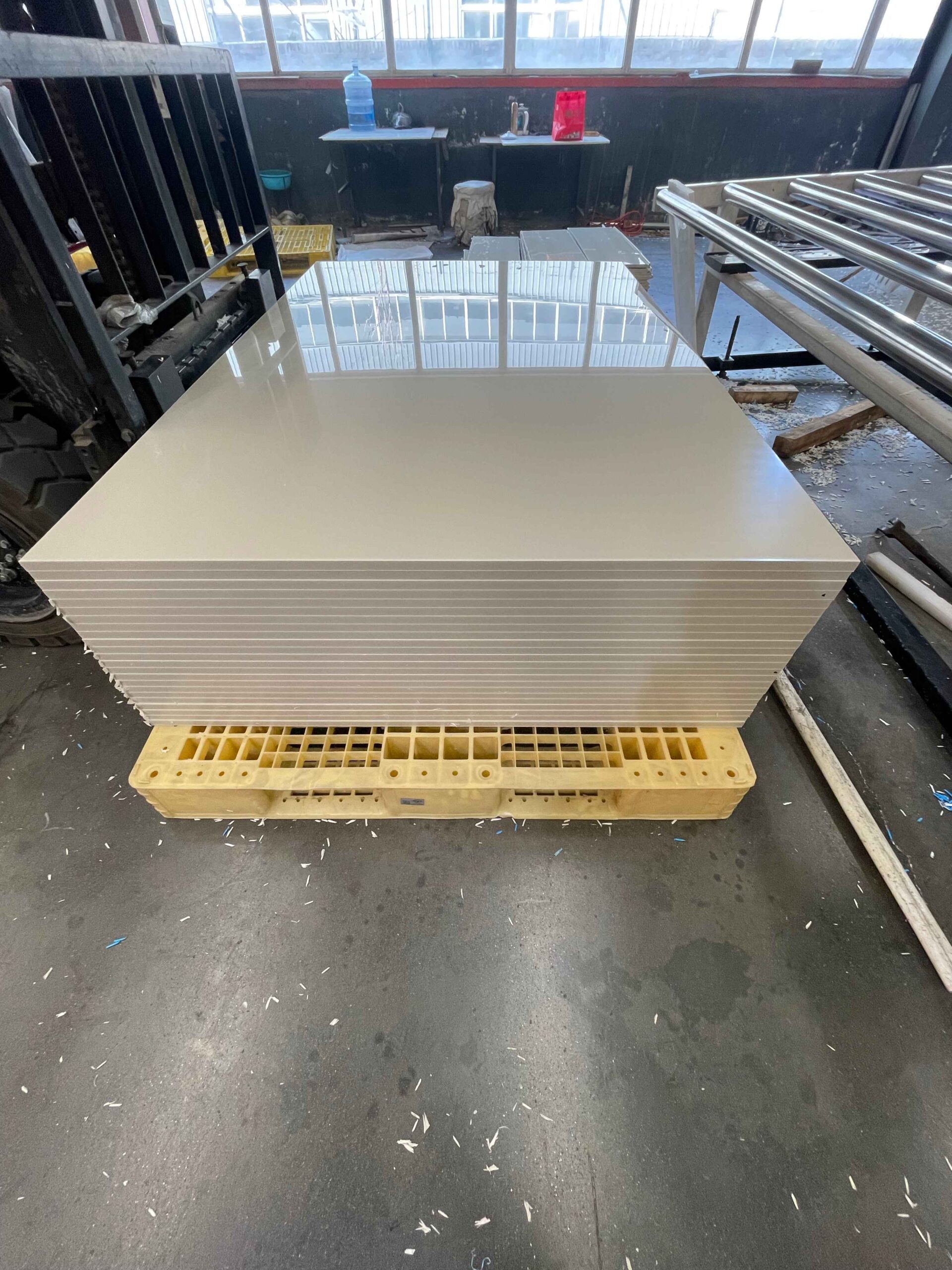
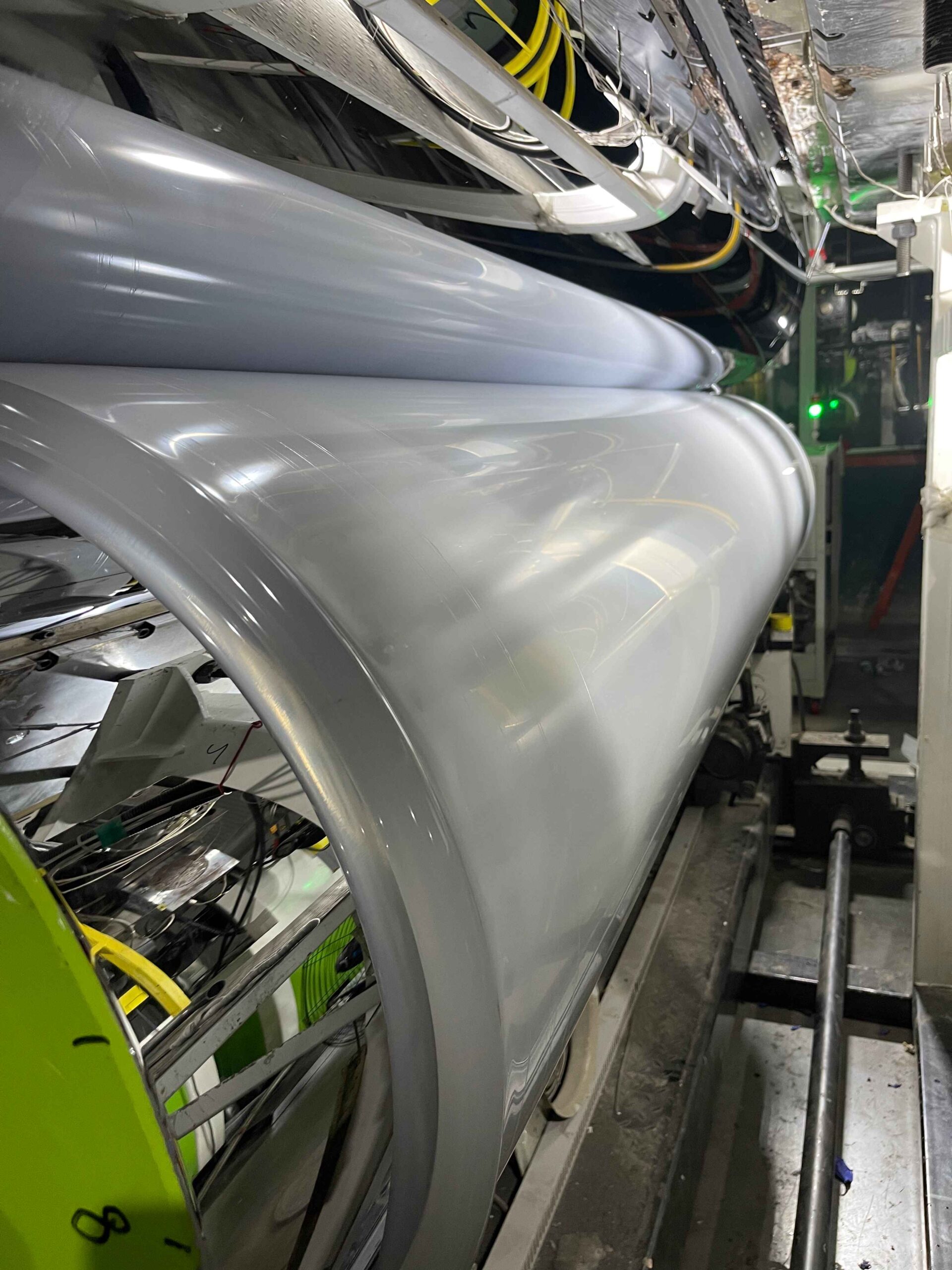

PPH board, also written as PP-H sheet or homopolymer PP sheet, is a material family rather than one universal product specification. Resin grade, modifiers, fillers, pigment, sheet construction and production route can change mechanical behavior and fabrication response. Record the exact supply basis before approving a material.
Labels such as “high molecular weight,” “low melt flow” or “beta modified” describe particular formulations; they should not be transferred to every PPH sheet without supporting data. A buyer should request the relevant technical document or define measurable requirements instead of relying on the product name.
Where PP-H Fits Among PPR, FRPP and PP-A
PP-H is often evaluated when an unreinforced polypropylene panel needs a grade-specific stiffness and fabrication profile. That does not make it the best option for every impact, low-temperature, thermal or chemical condition. Compare the candidate sheet data at the intended thickness and service condition.
- PPH board: consider when PP homopolymer is specified and panel rigidity is an important design input.
- PPR sheet: compare when the project calls for a different stiffness, ductility or impact balance; the exact PP-R grade still controls.
- FRPP board: compare when glass reinforcement is requested for stiffness or dimensional control. Reinforcement changes machining, joint design and failure behavior.
- PP-A: treat this as a supplier or trade designation unless the offer defines its resin family, modifiers and test basis. If it is simply PP-H, it should not be presented as a separate performance grade.
Do not substitute among these materials from a short trade name alone. The purchase decision should follow the drawing, service conditions, fabrication method and required test evidence.
Define the Engineering Conditions Before Selecting Sheet
Load, support and movement
Provide the panel span, support spacing, continuous and short-term loads, impact, vibration, fixing method and allowable deflection. Sheet thickness cannot be selected responsibly from panel dimensions alone. Long-term loading and temperature-related movement must be included in the assembly design.
Chemical exposure
“Chemical resistant” is not an approval for a tank, liner or duct. State the chemical identity, concentration, impurities, operating and cleaning temperatures, contact duration and mechanical stress. Compatibility of the sheet, joints, seals and fasteners should be reviewed together. Critical service may require a project-specific test.
Temperature and design life
Do not use a resin melting or softening value as the working limit of a finished panel. State normal temperature, short peaks, cleaning cycles, load and required life. Creep, support, wall geometry and joint performance can govern an assembly before a headline resin value is reached.
Outdoor or regulated service
Outdoor life, UV stability, food contact, potable-water use, flame performance and electrical behavior are not established by the term PPH. Specify the market, exposure, regulation, test method and document needed for the exact material, additives, color and finished construction.
Applications to Evaluate
- machine covers, guards, partitions and supported equipment panels;
- cut or CNC-machined blocks, spacers, brackets and replacement parts;
- tank, duct, scrubber or lining components after media and joint review;
- trays, enclosures and work-area panels with defined cleaning conditions;
- drawing-based fabricated components with stated inspection criteria.
These examples identify projects for material review, not guaranteed end uses. Containment, pressure, structural, hygienic or safety-related applications require project engineering and an agreed acceptance plan.
Cutting, CNC Machining and Joining
Full sheets, cut panels, holes, slots, radii, edge details and routed profiles can be reviewed from a drawing. Mark finished dimensions, datums, tolerances, hole positions, visible faces and measurement conditions. Part size, fixturing, machining sequence and temperature can affect achievable tolerances.
If welding or another joining process is required, provide the exact sheet grade, filler or joining material, joint geometry, process and inspection requirement. Do not assume a procedure used for another PP grade will qualify this construction. Tanks, ducts and pressure-related assemblies may need qualified procedures, trained fabricators and defined leak or pressure tests.
What to Include in a PPH Board RFQ
- End use: sheet stock, machined part, welded fabrication or replacement component.
- Material basis: specified PP-H grade, existing data sheet, approved sample or performance target.
- Mechanical conditions: load, span, support, impact, movement and required life.
- Exposure: chemical, concentration, contact time, operating temperature and cleaning method.
- Geometry: sheet dimensions or drawing revision, tolerances, color, surface and edge details.
- Processing: cutting, drilling, CNC machining, forming, joining and assembly scope.
- Commercial details: quantity, documents, inspection, packing, destination and requested date.
We will use the RFQ to review available material, manufacturable dimensions, processing scope, sample or first-article needs, quotation basis, MOQ and lead time. Any certificate, traceability, test report or special inspection must be confirmed before order acceptance.
Order-Specific Inspection
The accepted specification should identify the agreed material, dimensions, tolerances, color, surface, drawing revision, quantity and packing. Inspection can then follow those recorded criteria. If flatness data, material identification, machining reports, test records or photographs are required, define the method and availability during quotation.
Frequently Asked Questions
Are PPH and PP-H the same?
They are commonly used as shorthand for homopolymer polypropylene sheet, but trade naming does not define a complete grade. Confirm the material designation, modifiers and supporting data for the offered sheet.
Should I choose PPH or PPR sheet?
Compare the exact sheets for stiffness, impact behavior, temperature, fabrication and the project environment. PPH is often considered when rigidity is important; PPR may offer a different toughness balance. Neither name is enough to approve the material.
How is PPH different from FRPP?
PPH normally describes an unreinforced PP homopolymer sheet, while FRPP contains reinforcement. The reinforcement level and construction must be stated because they affect stiffness, ductility, machining and joining.
Can PPH board be used for a chemical tank?
It can be evaluated as a candidate material, but tank suitability depends on media, temperature, stress, support, joint design, fabrication procedure and design life. The project engineer must define the structural and acceptance requirements.
Can this PPH board be welded?
Do not assume this from the name alone. Confirm the exact grade, compatible joining material, process, joint design and required testing before ordering sheet for a welded assembly.
How should sheet thickness be selected?
Thickness depends on load, span, support, temperature, joint design, allowable deflection and safety factors. Send the drawing and operating conditions for supply review; structural design remains the project engineer’s responsibility.
Request a PPH Board Quotation
Review the PP sheet range if the grade is not yet fixed. To receive a project-specific response, send the application, media, temperature, drawing, quantity and destination. Zhihong Plastic will reply with the available supply and commercial terms.


