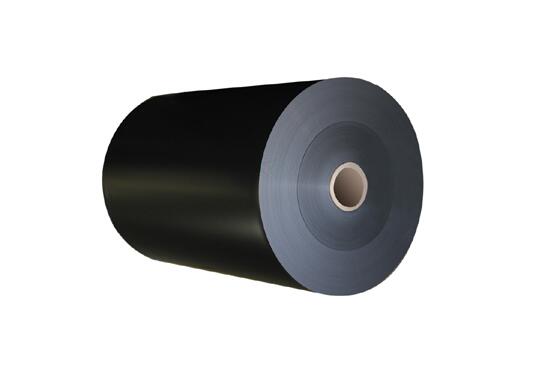


HDPE sheets are high-density polyethylene stock for cut panels, protective linings and machined components. Their low water absorption and resistance to many chemicals make them useful in wet industrial settings. Select the grade for the actual media, temperature, contact conditions and mechanical duty.
- HDPE can absorb impacts during handling, but compare grade-specific test data for the service temperature and panel design.
- For chemical-contact HDPE panels, check the substance, concentration, temperature and exposure time rather than relying on a general resistance claim.
- For sliding HDPE parts, assess load, speed, mating surfaces and abrasive particles; severe wear may call for UHMWPE instead.
- HDPE sheet can be cut, drilled and CNC machined; formed or welded assemblies need a suitable grade and fabrication process.
- Specify the sheet thickness, cut dimensions, color and surface finish so the material and fabrication scope can be matched to your project.
Send the intended application, sheet dimensions, quantity and delivery destination. Include a drawing for cut parts and identify any chemical, outdoor or food-contact requirements.
HDPE Sheet Specifications to Discuss
| HDPE Sheet Attribute | HDPE Options and Order Checks |
|---|---|
| HDPE Material Grade | HDPE; identify the resin grade, formulation and any required UV stabilization |
| HDPE Sheet Thickness | Ask us to confirm thicknesses within the listed 1–100 mm range for your grade and order |
| HDPE Sheet Dimensions | Request confirmation of 1220 × 2440 mm or 1500 × 3000 mm, or send your cut-size drawing |
| HDPE Surface Finish | Smooth or textured HDPE; specify the texture and any grip-test requirements |
| HDPE Sheet Color | Natural, black, green or grey; confirm color availability for the chosen grade and order quantity |
| HDPE Sheet Machining | Cut-to-size, CNC machining, drilling and chamfering to an agreed drawing |
| HDPE Service Conditions | Select the grade for chemical exposure, impact, wear, temperature and outdoor UV exposure |
| HDPE Export Packing | Agree surface protection, pallet or crate dimensions, stacking and handling requirements |
How HDPE Properties Affect Your Part
- Low water absorption helps HDPE maintain dimensions in wet service; temperature changes still require allowance for thermal expansion.
- HDPE toughness is useful for handling guards and protective liners. Match impact-test results to the grade, thickness and operating temperature rather than treating all sheets as equivalent.
- Unmodified HDPE is generally electrically insulating; electrical covers require grade-specific ratings and design checks, not just the HDPE name.
- HDPE stiffness and allowable load change with temperature and time under load. Check the support arrangement, expansion clearance and acceptable deflection.
- Sheet supply and drawing-based machining let you use one agreed HDPE specification for blanks, cut panels and finished components.
Industrial Uses for HDPE Sheets
- HDPE splash guards and chemical-resistant linings: match the material to the liquid and cleaning conditions; tank fabrications also need an appropriate design and welding plan.
- HDPE guides, spacers and sliding strips: compare contact pressure, wear rate and friction with UHMWPE when abrasion or continuous sliding is the main duty.
- HDPE workshop work surfaces and cutting panels: specify surface finish and cleaning needs. Food-preparation use requires a suitable documented grade. Read the HDPE cutting-board sheet overview for food-preparation applications.
- HDPE protection panels and liners for trucks, bins and chutes: check material flow, abrasion, impact and fastening details before choosing the thickness.
- Outdoor HDPE covers and panels: select a UV-stabilized formulation for the intended exposure; color alone does not establish weathering performance.
HDPE Cut Sizes, Finishes and Fabrication
- Specify finished panel dimensions, edge condition and thickness tolerance for parts that need to fit an existing frame or assembly.
- For textured HDPE access panels, define the support and fixing design and assess grip under the expected wet or contaminated conditions; a texture is not a slip-resistance rating.
- Provide hole positions, slots, radii, chamfers and critical tolerances for HDPE CNC parts. Allow for material movement when the part is clamped, machined and installed.
- For distributor orders, agree sheet labels, batch identification and private-label packing before production.
Inspection Points for HDPE Sheet Orders
- Agree thickness, length, width and flatness tolerances, measurement conditions and the inspection record needed for acceptance.
- Define acceptable surface marks, finish and color against a sample where needed; specify whether protective film is required.
- For repeat orders, keep the grade, color reference and inspection criteria on the purchase specification so batches can be compared consistently.
- Request pre-shipment sheet photos and agree the packing arrangement, panel count and batch labels for receiving checks.
Information for an HDPE Sheet Quotation
- Describe the part's duty, including the chemicals, service temperature, impact, sliding contact and outdoor exposure.
- State the sheet thickness, finished dimensions, quantity, color and required material grade; attach a drawing for shaped parts.
- Mark the cutting, drilling and machining requirements, critical tolerances and finish on the drawing.
- Provide the delivery destination, required date and packing or handling restrictions so the shipping scope can be planned.
- The quotation should identify the offered grade, dimensions, fabrication scope, inspection requirements, minimum order quantity, price and delivery schedule.
HDPE Sheet Selection and Fabrication Questions
When should I choose HDPE rather than UHMWPE sheet?
HDPE is a practical choice for many cut panels, guards and welded fabrications. UHMWPE is often considered where sliding wear and abrasion dominate. PE300 commonly denotes HDPE stock, while PE1000 commonly denotes UHMWPE; they are not interchangeable grade names. Compare the offered materials under the same load, speed, temperature and test conditions.
What should I specify for HDPE sheets used outdoors?
Specify a UV-stabilized HDPE grade and describe the expected sunlight, temperature and exposure duration. Black HDPE is not automatically an outdoor grade: the formulation and supporting weathering data matter. Confirm the proposed grade and color before ordering.
Can HDPE sheets be welded into fabricated assemblies?
HDPE can be welded for suitable fabricated assemblies. Check sheet and filler compatibility, joint design and the selected welding process. For tanks, the fabricator also needs a design and inspection plan for the service conditions; weldability alone does not establish that the assembly is fit for use.
How do I select HDPE sheet thickness for a panel?
Use the panel dimensions, support spacing, load, service temperature and allowed deflection to select thickness. Account for creep under sustained load and thermal expansion at fixings. A general-purpose HDPE sheet is not a rated load-bearing panel; structural or safety-critical uses need a suitable engineered design.
Can you supply HDPE parts machined from a drawing?
We review HDPE CNC cutting, drilling, slots and chamfers against your drawing. Mark the datums, critical dimensions and acceptable tolerances. The quotation confirms the material, machining scope and inspection requirements; a sample or first part can be discussed for a new design.
Are all HDPE sheets suitable for food contact?
No. Food-contact suitability depends on the particular grade, additives and intended conditions of use. Identify the destination market, food type, contact temperature and cleaning method, and request the relevant supplier documentation for the offered grade. A generic HDPE name or white color is not proof of compliance.
Which HDPE sheet dimensions should I request?
This page lists 1220 × 2440 mm and 1500 × 3000 mm as sizes to discuss, not a promise that every thickness, grade and color is available in both formats. Send the finished panel dimensions or cutting layout; we confirm the supply format, tolerances and machining allowance in the quotation.
How should HDPE sheets be packed for export?
Agree the surface protection, panel stack, pallet or crate size and lifting access for the shipment. Packing should support the HDPE sheets and protect finished surfaces. State any unloading restrictions and whether pre-shipment packing photos or individual part labels are needed.
What should distributors agree for repeat HDPE orders?
For distributor or repeat orders, specify the agreed HDPE grade, dimensions, color reference and inspection criteria for each batch. Order quantity, production schedule and private-label packing are confirmed in the quotation.
What information helps you quote an HDPE sheet order?
Send the application, grade requirement, thickness, panel dimensions, quantity, color and delivery destination. Add drawings for machined parts, relevant exposure conditions and any required compliance or inspection documents. This lets us quote a defined HDPE sheet or part specification rather than an unspecified material name.