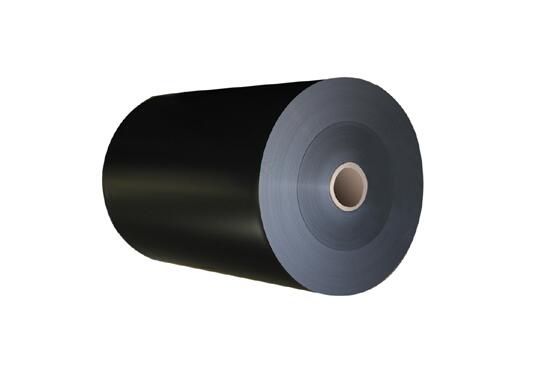


Textured HDPE panel, also supplied as textured HDPE sheet, combines a solid polyethylene board with a patterned face. The finish changes tactile feel, reduces glare and can make minor handling marks less noticeable; the correct texture depends on use and cleaning conditions.
Textured HDPE Panel vs. HDPE Road Mat
This product page covers textured panels and drawing-based parts. For temporary access routes, vehicle loading and ground protection, see the separate HDPE ground protection mat page; a sheet panel should not be treated as a road mat without a load-rated design.
Start with Surface Function, Not the Pattern Name
“Leather grain,” “embossed,” “frosted” and “anti-slip” are not interchangeable technical specifications. Tell us what the surface must do:
- Appearance: glare reduction, color, visible-face consistency and scratch masking for machine covers or cladding.
- Grip: the contacting material, direction of movement, load and whether the surface is dry, wet, dusty or oily.
- Cleaning: detergents, pressure washing, drainage, hygiene expectations and whether the pattern can trap debris.
- Fabrication: which face is visible, one- or two-face texture, edge treatment, holes, slots and routed details.
- Installation: panel span, support, fasteners, temperature range and allowance for HDPE movement.
Treat Slip Resistance as an Application Test
Slip performance changes with water, oil, dust, footwear, contact pressure, direction, surface wear and the test method. For steps, platforms, public access or another safety-critical surface, specify the applicable method and minimum result, then test the final production construction under those conditions. The purchaser or project engineer approves the installed system.
Applications and Design Boundaries
- Machine and equipment panels: covers, guards, kick plates and service panels where a matte, mark-hiding face is useful.
- Vehicle and trailer interiors: liners and protection boards after load, fixing, wear and cleaning conditions are confirmed.
- Wet-area protection: wall panels, work-area boards and removable covers with drainage and chemical compatibility reviewed.
- Fabricated components: cut, drilled or routed parts that need a defined visible-face texture.
- Decorative industrial surfaces: partitions, housings and cladding where appearance is the primary purpose.
Do not assume a textured HDPE panel is a structural stair tread, certified pedestrian flooring or load-rated vehicle mat. Those uses require an engineered support system and project-specific performance evidence.
Sheet Construction and CNC Fabrication
Pattern availability, one- or two-face texture, thickness, maximum sheet size and color depend on the production construction, quantity and sample approval. Send the required specification instead of designing around an unconfirmed catalog range.
Cut-to-size panels, holes, slots, countersinks, radii and routed profiles can be quoted from a dimensioned drawing. Mark the visible face and pattern direction on the drawing. Critical tolerances should account for the part size, machining process and measurement temperature.
Texture peaks near a cut or machined feature can change the local measurement and appearance. If a flush assembly, seal or bearing surface is required, identify the datum and whether a smooth land must be machined.
Installation, Drainage and Wear Inspection
- support the panel for the expected span, load and impact;
- allow for thermal expansion with suitable gaps, clearance or slots;
- orient the pattern and slope so water and debris can leave the surface;
- avoid fastener details that create raised trip points or lock a large panel against movement;
- define cleaning methods that do not leave oil, soap film or compacted debris in the texture;
- inspect high-contact areas because wear can round texture peaks and change traction.
For a safety-related surface, the maintenance plan should include an inspection interval and a replacement or retest criterion based on the actual use environment.
What to Send for a Factory Quotation
For an initial price review, send four items: the application and service conditions, sheet size or drawing, order quantity and destination. For technical confirmation, also include:
- preferred pattern or an approved reference sample;
- one- or two-face texture and the visible-face direction;
- color, thickness, support and expected load;
- wet, dry, dusty or oily condition and the cleaning method;
- slip-test method and target result when applicable;
- holes, CNC features, tolerances and edge requirements;
- packing, required documents and requested delivery date.
The quotation will state the available construction, manufacturable dimensions, processing scope, MOQ, lead time and any sample or first-article requirement. The final order should record the approved pattern, textured face, color, drawing revision and inspection method.
Frequently Asked Questions
Is leather-pattern HDPE automatically certified anti-slip?
No. The pattern can affect grip, but a safety claim requires a defined test, condition and acceptance result for the actual construction.
Will the same texture work when wet or oily?
Not necessarily. Water, oil, dust and cleaning residue can change traction. Provide the contaminant and contact condition, then test the final construction using the required method.
Can both faces be textured?
One- and two-face constructions may be available, depending on pattern, thickness, color and quantity. State both face requirements in the RFQ.
Can textured HDPE be used outdoors?
Only after the exact grade, pigment and documentation are confirmed for the UV and temperature conditions. Outdoor use does not establish a slip rating.
Request a Textured HDPE Panel Quote
Send the application, surface condition, drawing, quantity and destination. For standard smooth-sheet selection, review our industrial HDPE sheet page; for routed components, see custom plastic workpieces. Zhihong Plastic will reply with the available construction and commercial terms.