For temporary road mats, HMWPE, HDPE and UHMWPE should not be used as interchangeable material-grade labels. HDPE describes high-density polyethylene; HMWPE and UHMWPE refer to high and ultra-high molecular weight polyethylene. Ask for the actual grade specified in the offer, rather than treating the abbreviation as a finished-panel load rating.
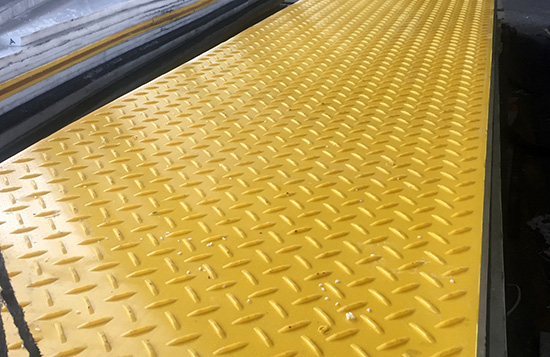
Our HDPE ground protection mats and temporary access panels can be specified by dimensions, surface and processing requirements. If HMWPE is mandatory for your project, confirm availability and the proposed grade with us before ordering.
Three questions about the supplied panel
1. What are the dimensions and handling requirements?
Confirm thickness, length, width, weight and any connection details in the offer. Plan delivery, lifting and placement for that configuration. Do not assume that every polymer panel can be carried by hand or used for heavy vehicle traffic.
2. What does the material specification cover?
Confirm the proposed resin grade and the information available for the order. Wear or impact data for a polymer specimen does not, by itself, rate an assembled route under repeated traffic. Consider the panel dimensions, joints and supporting ground together.
3. Which exposure conditions need review?
Describe outdoor exposure, expected temperature, water and any chemicals likely to contact the panels. Ask us to review these conditions for the proposed grade and confirm the documentation required for the order. Texture, colour or a polyethylene label alone is not proof of UV performance or reliable grip.
Site conditions to review before using access panels
Temporary construction and event routes
Specify the users, traffic pattern, expected duration, turning points and maintenance plan. A proposed temporary covering and the ground beneath it need to be assessed together. Required ground preparation does not disappear because panels can be removed later.
Wet ground and sensitive areas
Identify wet, soft or yielding sections and how water will be managed. The responsible site team needs to assess support conditions and planned traffic before placing panels. Confirm environmental constraints separately; do not rely on surface covering to prevent vehicle sinking or ecological disturbance.
Damaged surfaces and temporary diversions
Describe the existing damage, transitions to other surfaces and intended traffic. A proposed removable covering does not confirm that a damaged road is safe or a public diversion is approved. Road repair and traffic arrangements require separate decisions by the responsible project team.
Slopes, shoulders and edges
Show gradients, road edges, excavations and drainage on the route sketch. Do not rely on a panel surface as slope stabilisation, retaining support or erosion control. Agree the ground and edge assessment, placement and access restrictions with the responsible site team.
Plan reuse around panel condition
Use our roadworks access planning guide to review traffic and ground conditions before the next installation. Plan reuse through removal, cleaning, inspection and suitable storage. Base the next-use decision on panel condition, the new route and the handling resources available.
Discuss our HDPE panel configuration
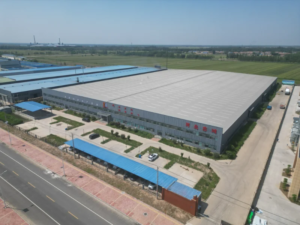
We supply HDPE ground protection mats. We review requested dimensions, surfaces and drawing details before confirming the offered configuration. If HMWPE or UHMWPE is specified, ask us to confirm the material and availability; do not infer either from the HDPE product name.
Separate material approval from site approval
Confirm that the offered grade, panel geometry and documentation meet the purchase specification. Site assessment also needs to address the actual ground, traffic and any equipment operating areas. Material selection and site acceptance are separate checks; neither should be inferred from an abbreviated product name.
Confirm order details with our factory
- Custom panel requirements: specify thickness, length, width, colour, surface finish and drawing-based holes or processing. We confirm the configuration and processing we can offer for the request.
- Inspection and documentation: agree the dimensional, surface and identification checks required for the order. Confirm available inspection records or material documents before ordering.
- Export packing: discuss bundle quantities, film protection, pallet or crate requirements, handling access, markings and delivery destination. Packing and loading arrangements are confirmed for the order.
Request a quote for your access panels
Send the required material, thickness, panel dimensions or drawing, quantity and delivery destination to our factory for a quotation. Include the intended traffic and ground information. We will review the requested specification and confirm the supply scope, packing and quotation details.