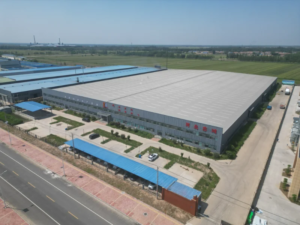
We supply HDPE ground protection mats for temporary site access and work areas. Selecting a panel starts with the ground and the equipment, not only the sheet thickness. We review the proposed dimensions, surface and connection details against the information supplied for your project.
Tell us whether the route is for pedestrians, wheeled vehicles or tracked equipment, and whether it covers firm ground, soft soil or an existing finished surface. The mat configuration needs to suit the actual conditions; a material description alone is not evidence of a safe route or a specific load capacity.
Where HDPE Mats Are Used
These panels can be considered for temporary access routes, work areas and ground protection during construction, utility maintenance or infrastructure work. Specify the surface to be protected, the route width and length, and the planned duration of use. They are temporary panels, not a substitute for permanent pavement.
Panel Details to Confirm
- Dimensions: give panel length, width, thickness and units, together with the total area or route layout. Size and thickness must be reviewed alongside the loads and ground support.
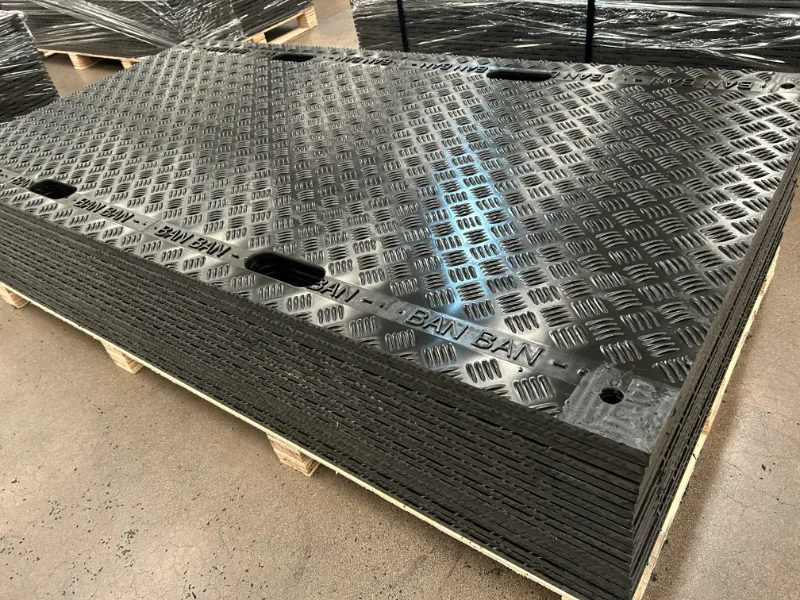
- Surface: describe the intended foot, tyre or track contact and the likely mud or wet conditions. Confirm the available surface pattern; a textured panel is not, by itself, a certified slip-resistance rating for every condition.
- Connections: agree the joint layout, connection method and quantities of connecting components. Confirm which items are included in the supply rather than assuming a panel price includes a complete connected route.
- Material: identify any required HDPE grade, UV performance, color or recycled-content specification. HMWPE and UHMWPE are distinct material designations; do not treat every polyethylene mat as the same grade.
- Handling and identification: review panel weight, lifting or handling arrangements, and any required holes or project markings. We confirm which details can be supplied for the proposed configuration.


Loads, Ground and Route Planning
Total vehicle weight is not a panel load rating. Send axle or wheel loads, tyre contact area or track details, and the expected speed, turning and braking conditions. The load transmitted to a panel depends on how the equipment contacts it and how the ground supports it. A load figure from another product cannot be applied to the offered mat without supporting evidence.
Ground strength, drainage, slope and changes after rain affect the suitability of an access route. The project team should assess the ground and plan coverage, connections and transitions before use. Agree operating restrictions and inspection arrangements, especially where vehicles turn or the ground may soften.
Ground protection mats are not crane outrigger pads. Do not assume they can support concentrated crane loads or bridge unsupported gaps. Crane operations, voids and other demanding load cases need an appropriate separately assessed solution, not a general sheet-material claim.
Discuss Your Temporary Access Project
Send the panel dimensions or drawing, route layout, quantity, equipment and load information, ground conditions, expected use period and delivery destination. Ask us about HDPE ground protection mats so we can review the offered configuration, included connecting components, packing and proposed delivery schedule.