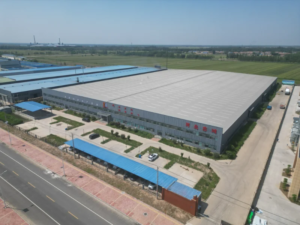
We quote PP and PE plastic sheets, including HDPE, for orders supplied from our factory in China. When you compare our offer with another supplier's, use the same material specification, usable dimensions, fabrication scope and delivery basis. A lower price per sheet does not necessarily mean a lower cost for your finished panels or parts.
We can review the quoted sheet and fabrication scope with you before you place an order. Use that discussion to settle open specifications, then compare the usable material and the total cost of bringing it to your delivery point.
Match the material grade before comparing prices
PE is the polyethylene family; HDPE is high-density polyethylene within that family. PP is polypropylene, a separate material. An offer labelled only “PE sheet” is not detailed enough to establish that it matches an offer for a specified HDPE grade.
Compare the specified grade and formulation, not just a colour or product name. If your specification requires virgin material, a defined recycled content or particular additives, make that requirement explicit and ask each supplier to identify the material offered. Matching thickness and colour alone does not establish equivalence.
Tell us which material data and supporting documents your application requires. We will check what can be supplied for the proposed material and identify the agreed documentation in the offer.
For outdoor or food-contact use, specify the exposure or contact conditions and the evidence you require. UV stabilisation and food-contact suitability need to be checked for the offered grade and intended use, not assumed from the material name.
Compare usable material, not just nominal sheet size
Two full sheets can have a similar purchase price but yield different numbers of usable panels. Check the cutting layout against the required finished sizes, including edge trimming and cutting allowance. Compare the cost for the same number of acceptable panels rather than the cost of the uncut sheets alone.
- For sheet stock, distinguish nominal sheet dimensions from the usable cutting area, and state the thickness tolerance required for your process.
- For finished panels or parts, compare the same drawing revision and quantities, with cutting, holes, edge treatment and inspection included or excluded on the same basis.
- For appearance requirements, define the colour reference, texture and acceptable surface condition. A screen image is not a physical colour or finish reference.
Our HDPE and PP sheet fabrication can be discussed alongside sheet supply. Ask whether the price is for a machining blank or a finished part: the remaining work, material allowance and critical tolerances can change the comparison.
Put the offers on one comparison sheet
Record the agreed specification beside each price so omissions remain visible. Resolve the differences in the final column before treating two offers as comparable.
| Item to compare in each quotation | Specification to keep the same | Difference to resolve before ordering |
|---|---|---|
| Quoted material and sheet specification | The required grade, formulation, thickness tolerance, colour and surface finish. | A proposed substitute, an unspecified grade or missing supporting information must be reviewed, not treated as an equivalent offer. |
| Usable panels or finished parts supplied | The same finished dimensions, quantities and drawing revision, with the same fabrication and inspection scope. | Trimming allowance, unfinished edges, omitted machining or a different cutting yield can change the cost per usable item. |
| Delivery price and purchasing schedule | The same order quantity, currency, agreed trade term and named place, with packing, price validity and timing identified. | Separate excluded charges and estimated transport time from the supplier's quoted goods price and production-ready date. |
Compare the total cost to your delivery point
Start with the quoted goods and fabrication cost, then identify packing, transport and any insurance charges. Also check the applicable import, destination-handling and onward-delivery charges. Mark each item as included, excluded or still to be estimated; do not add a charge twice if it is already included in the offer.
Agree the trade term and the precise named port, place or point in writing. If using an Incoterms® rule, also identify its edition. A price that includes transport to a port is not automatically a price for delivery to your premises, and the point where costs are covered is not necessarily the point where transport risk transfers.
Ask your freight forwarder or customs broker to check the charges relevant to the actual goods, route and destination. Keep estimates separate from confirmed amounts and note their validity.
Our plastic-product export guide covers packing and shipping-document considerations. For your order, the quotation and agreed shipping arrangement need to identify the actual scope.
Use samples to settle acceptance criteria
Before moving from a trial to a repeat order, decide what the sample evaluation needs to establish. A sample can help assess colour, texture and processing behaviour, but a small piece cannot by itself demonstrate the dimensional condition of every full sheet or the performance of a complete installation.
- If welding or machining is planned, assess the proposed material with the intended process and relevant joint or part geometry. Record the conditions and results rather than judging by appearance alone.
- Identify the approved sample, material specification and drawing revision so later orders refer to the same purchasing basis. Request batch identification if it is part of your acceptance requirements.
- Agree the critical dimensions, measurement conditions and inspection information needed. Heat, residual stress and the way a plastic part is supported can affect dimensional results; a quoted nominal size is not an agreed finished-part tolerance.
We can discuss the sample and evaluation scope before an order. Confirm the sample format, availability, cost and any inspection records in the offer, and record which production requirements still need checking after sample approval.
Confirm packing and timing before you commit
Include sheet support and surface protection in the packing discussion. Confirm the proposed pallet or crate dimensions, handling method and any unloading limits at your delivery point. Packing that suits shipment handling may still need to be checked against your receiving equipment and storage arrangement.
Keep the production-ready date, expected dispatch and estimated arrival distinct. Confirm when the material specification or sample must be approved and how a later change would affect the schedule. A general supplier lead time is not a confirmed production slot for your order.
If the grade, quantity, drawing or delivery arrangement changes after quotation, ask us to revise the offer before production. Compare the revised scope rather than assuming the original price and timing still apply.
Discuss a comparable offer with us
Send us the specification you are comparing, including the material, required panels or parts, quantity and delivery point. We can review the sheet and fabrication scope and identify the details that need confirming in our quotation.