Specifying plastic sheet for a water-treatment system requires more than choosing HDPE or PP. A tank wall, bonded or mechanically fixed liner, baffle, cover, dosing tray and machined spacer have different structural, chemical and fabrication requirements. Treating them as one material package can create avoidable failures and quotation gaps.
This page focuses on component specification and procurement. For the material-level decision, first read our HDPE vs PP guide for chemical and water-treatment equipment.
Build a process data sheet first
| Process input | Information to record |
|---|---|
| Water stream | Raw, potable, process, brine, wastewater, sludge or mixed stream |
| Chemicals | Exact chemical names, concentrations, pH range and possible mixtures |
| Temperature | Normal, peak, cleaning and shutdown conditions |
| Contact | Continuous immersion, intermittent, splash, vapor or condensate |
| Cleaning | Chemicals, concentration, temperature, pressure and frequency |
| Mechanical duty | Liquid head, pressure/vacuum, span, vibration, impact and maintenance load |
| Environment | Indoor/outdoor, UV, ambient range and nearby heat sources |
| Compliance | Potable-water, food-contact, project or local regulatory requirements |
Chemical-resistance charts are screening tools. The final review must consider the actual grade together with chemical, concentration, temperature, exposure time and stress.
Specify each component separately
| Component | Main design questions | RFQ details |
|---|---|---|
| Self-supporting tank wall | Liquid head, temperature, creep, reinforcement, weld design and nozzle loads | Tank drawing, volume, dimensions, medium, design life and calculations |
| Liner over a structure | Backing condition, attachment, thermal movement, seams and leak path | Substrate, coverage, fixing, weld map and access |
| Baffle or divider | Flow load, span, perforations, support and vibration | Panel drawing, holes, mounting, flow and cleaning |
| Cover or guard | Personnel load prohibition, sag, access, hinges and fastening | Open span, load, removable sections and edge details |
| Chemical dosing tray | Spill chemical, concentration, temperature and containment volume | Tray size, joints, outlets and inspection/test requirement |
| Hood or duct component | Vapor chemistry, condensate, temperature, support and fire rules | Gas/condensate data, drawing, joints and ventilation design |
| Machined spacer or bracket | Continuous load, fit, creep, temperature and chemical splash | Controlled drawing, grade, tolerances and inspection points |
A liner is not the same as a structural tank wall, and a cover should not be assumed walkable. State the component function explicitly so the quotation does not hide a design assumption.
Tank and liner design responsibilities
Thermoplastic tanks and load-bearing panels require qualified design. Sheet thickness depends on geometry, liquid head, temperature, long-term stress, reinforcement, joints, openings and support. The maximum service temperature in a material data sheet is not automatically the allowable design temperature for a loaded tank.
For a liner, document the backing surface, preparation, attachment, termination details, seams, penetrations and inspection access. A compatible sheet does not correct an unsuitable substrate or poor seam design.
Welding specification and quality controls
- Identify sheet and matching welding-rod grades.
- Define joint type, preparation, weld location and access.
- Use controlled welding parameters and trained operators.
- State visual acceptance and any mechanical test requirements.
- Provide a weld map or joint identification where traceability is needed.
- Specify leak or hydrostatic testing, test medium, duration and acceptance criteria where applicable.
- Record repair and retest requirements before production.
The equipment designer should establish the required fabrication standard and test plan. A visually smooth weld bead alone does not demonstrate structural or leak-tight performance.
Chemical dosing needs worst-case data
Normal diluted process water may not be the worst exposure. Review concentrated chemical at the injection point, delivery spills, off-spec dosing, cleaning chemicals, stagnant zones and temperature excursions. Oxidizing agents and mixed waste streams require particular care.
Do not write only “chlorine,” “acid” or “alkali.” Provide the exact substance or product, concentration, temperature and contact duration. If a proprietary treatment chemical is used, share its safety data and relevant composition information with the material reviewer.
Potable-water and regulated projects
Generic HDPE or PP should not automatically be represented as approved for potable-water contact. Identify the destination country, applicable approval or standard, water temperature and intended component. Request documentation that covers the exact sheet grade, color and conditions of use, and confirm availability before ordering.
Drawing and procurement package
- Process data sheet and equipment duty
- Approved material grade or request for material review
- General arrangement and individual part drawings
- Sheet thickness, color, surface and quantity
- Supports, reinforcement, penetrations and connection details
- Weld specification, map and acceptance criteria
- Critical dimensions, tolerances and inspection plan
- Required declarations, test reports and traceability
- Packing, labeling, delivery sequence and destination
For machined or fabricated parts, our HDPE and PP fabrication guide explains drawing, tolerance and first-article requirements.
Water-treatment RFQ checklist
| System | Process stage, water stream, location and design life |
|---|---|
| Medium | All chemicals, concentrations, pH, cleaning and upset conditions |
| Temperature/load | Normal/peak temperatures, liquid head, pressure/vacuum and support |
| Component | Tank, liner, baffle, cover, tray, duct or machined part |
| Material | HDPE/PP grade if known, color, surface and required documents |
| Fabrication | Cutting, holes, machining, welding, tolerances and test plan |
| Quantity | Prototype, project quantity, spare parts and repeat forecast |
| Delivery | Drawing revision, labeling, packing, destination and required date |
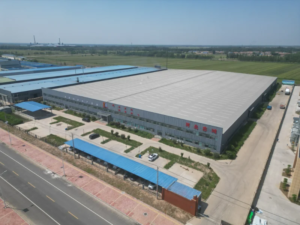
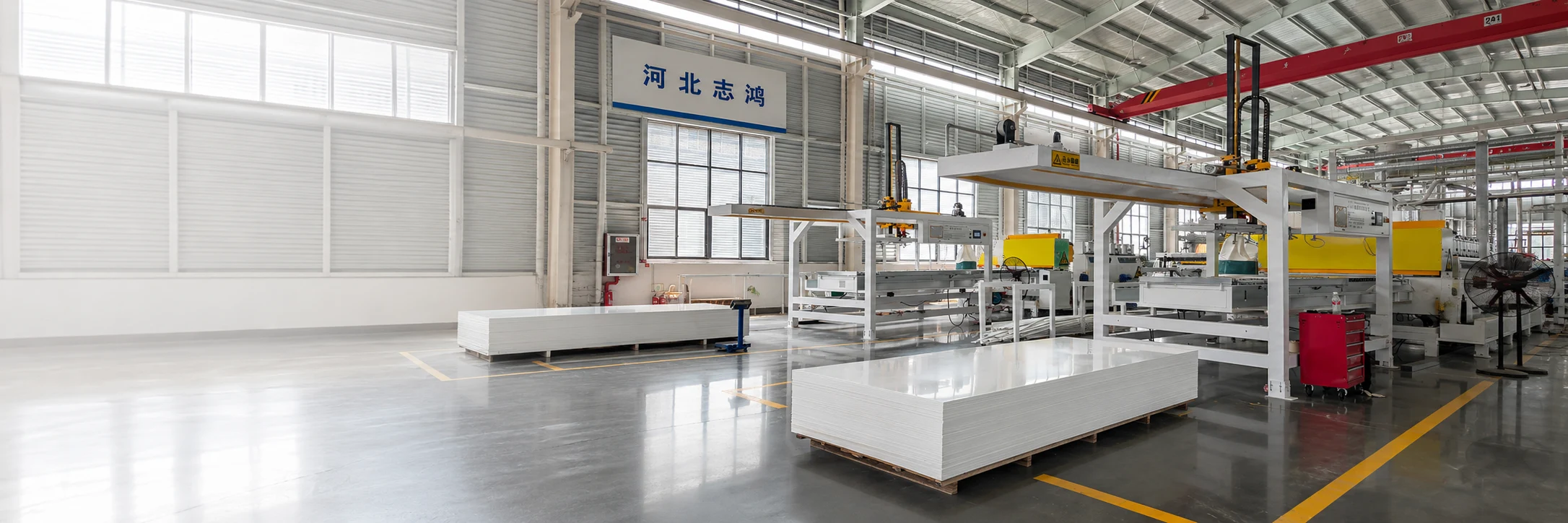
Zhihong Plastic supplies industrial HDPE sheets, PP-H sheets and drawing-based processing. Grade, size, tolerance, fabrication and document availability are confirmed against the project specification.
Frequently asked questions
Can one material be used throughout the treatment system?
Not necessarily. Different components may see different chemicals, temperatures, loads and fabrication methods. Review each duty separately.
Can sheet thickness be selected from tank volume only?
No. Geometry, liquid head, temperature, reinforcement, openings, joint design and service life also affect the calculation.
Do you need the cleaning process for a quote?
Yes. Cleaning chemicals and temperature can be more severe than normal operation and may change the material recommendation.
Request a component-level quotation: send the process data, component drawings, quantity, test requirements and destination.