Identify the material and panel construction
When selecting our HDPE ground protection mats for temporary access, confirm the panel construction, dimensions and joint system—not just a name such as “polyethylene composite protective board”. HDPE identifies the polymer; it does not describe the finished panel structure. We confirm the configuration offered for your enquiry against those details. The material name alone is not evidence of suitability for heavy loads.

Six details a mat specification should describe
A useful specification ties the finished panels to their material, geometry, connections and intended use. Compare these details before accepting descriptions such as “heavy-duty”, “all-weather” or “composite”. The checks below are for selecting a proposed system, not a statement that all of our mats have the same performance.
1. Finished-panel load and deflection data
Ask what the load information covers: the complete mat, the loading footprint, supported base, panel layout and duration. A resin compression result does not establish a safe vehicle load for a finished route. Flexible panels can bend under load; do not assume “without deformation” or transfer a rating from another design.
2. Surface tread and joints
Specify the upper tread for tyres, tracks or pedestrians and the underside for the surface being protected. Check the connection arrangement and edge transitions as part of the route. Mud, water, worn tread and loose joints can affect use; a textured surface is not an accident-prevention guarantee.
3. Service temperature, UV and chemical exposure
State the expected temperature range, sunlight exposure and contact with oils, fuels or other chemicals. Review that service against the actual material and finished-product information. The HDPE name does not establish UV stabilization, cold-impact behaviour or long-term performance under every environmental condition.
4. Wear and inspection criteria
Repeated traffic can wear tread and connector areas. Agree inspection and withdrawal criteria for cracks, damaged edges, worn holes and permanent distortion. Ground support also needs review after rain or a change in traffic. Service life should follow condition and use history, not a universal number of years.
5. Handling and installation equipment
Confirm panel weight, dimensions, lifting points and the equipment available on site. Some access mats can be handled manually; other systems need machinery and installation tools. Plan unloading, laying, connecting and removal from the proposed product details rather than assuming every plastic mat is lightweight.
6. Material recovery and lifecycle cost
Reusable does not automatically mean lower environmental impact. Compare cleaning, transport, storage, repairs and replacement over the planned use. Material recovery depends on the formulation, contamination and an available recycling route; “fully recyclable” is not a substitute for confirmation with the receiving facility.
Match the application to the actual load case
The same polymer can appear in very different access products. Review the proposed route with the responsible site operator or designer before choosing the panels. Each application needs its own loading, surface and installation information.
- Construction and maintenance: describe delivery vehicles, wheel or track loads, route width, turns, ground support and traffic frequency.
- Power and utility projects: assess the access route separately from crane outriggers, lifting operations and concentrated equipment loads.
- Oil and gas sites: identify chemical contact, ground conditions and any area-specific safety requirements; ordinary access mats are not spill containment or proof of suitability for an explosive atmosphere.
- Events: specify vehicle and pedestrian routes separately, including joints, edge transitions, turf type and the time the surface will remain covered.
- Emergency access: include actual terrain, hidden hazards, equipment and the installation plan. Urgency does not remove the need to assess ground support.
What we need to review a ground protection mat enquiry
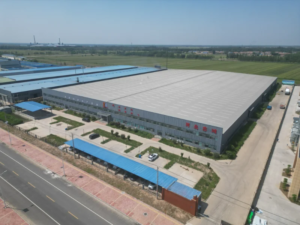
We supply plastic sheets and ground protection mats from our factory in Cangzhou, Hebei, China. For a mat enquiry, we review the product configuration and order specification you need. A quotation identifies the offered supply; it does not certify every site application or replace an access-route assessment.
1. Material identification for the proposed mat
Specify the material grade and whether a modified, filled or reinforced construction is required. Ask what “composite” means in the proposed product: the formulation and construction must be described rather than inferred from the label. We do not treat that word as proof of a particular reinforcement, core or layered structure.
2. Panel dimensions and construction
Confirm overall and usable dimensions, thickness and the geometry shown on the product drawing. A solid sheet and a ribbed or hollow panel are not interchangeable merely because both contain HDPE. Where a particular construction is required, send the drawing or specification so we can confirm what can be offered.
3. Connections and route layout
Show the planned panel arrangement, joins, turns and edge transitions. Connector positions, compatible hardware and how panels are restrained need to match the layout and traffic. A hole pattern alone does not prove that adjoining panels will remain correctly aligned in the intended use.
4. Application-specific documents
Tell us the test information and acceptance criteria your project requires before ordering. We confirm the documentation available for the proposed grade and configuration. Reports must identify the product being offered; another manufacturer’s rating, material datasheet or unrelated certificate is not evidence for the delivered mats.
5. Production and delivery details
Agree the material, panel quantity, dimensions, surface finish and accessories before production. Include stacking and lifting constraints, delivery destination and project schedule. Handling equipment and packing requirements should be checked against the actual shipment rather than a generic container-loading claim.
Compare the complete access system
A panel price is only one part of an access-route budget. Compare the following items for the actual project so that a cheaper sheet is not mistaken for an equivalent mat system:
- Ground preparation: leveling, drainage and any compatible supporting layers required by the route plan.
- Supported loading: equipment contact areas, load distribution and the ground bearing conditions that the proposed system relies on.
- Connections and handling: compatible hardware, tools, lifting equipment, installation labour and transport.
- Inspection and cleaning: planned checks, removal of contamination and response to damaged or displaced panels.
- Reuse and disposal: storage, repairs, service history and a suitable recovery route for panels that cannot be reused.
Agree mat suitability before ordering
Use the material, construction and load evidence together when assessing the proposed route. Different mat-system ratings cannot be transferred simply because the panels share a polymer name or similar dimensions. Do not specify loose sheets as an unsupported bridge or a substitute for a designed crane support system.
Your enquiry should describe three parts of the job:
- Loads: vehicle or equipment details, pedestrian use, axle or wheel loads, contact areas and traffic frequency.
- Ground: surface type, wet or soft areas, slopes, drainage, hidden hazards and the planned covering period.
- Mat layout: required panel size, tread, connections, route width, turns and a drawing where available.
If the required construction or supporting information is missing, do not proceed from a generic product description. The route designer or site operator should decide whether the proposed system meets the project requirements before use.
Specify the ground protection mat order
- Configuration: material identification, dimensions, thickness, tread, hole positions and compatible accessories.
- Inspection: order-specific dimensional and surface acceptance criteria, quantity checks and any records needed; document availability is confirmed for the order.
- Packing: stacking, lifting and unloading constraints, packing dimensions, shipping marks and delivery destination.
Request a configuration-specific mat quotation
Send us your ground protection mat specification with the load case, ground conditions, panel details or layout drawing, quantity and delivery destination. We will review the enquiry and confirm the offered configuration, available documents, packing and supply terms.