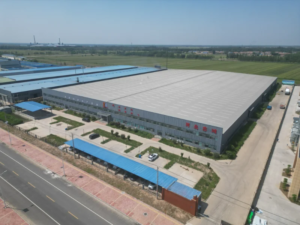
For wear liners, guides and fabricated panels, the choice of PE sheet depends on how the part will be used. We offer UHMWPE sheets for liners and sliding components and HDPE sheets for panels and machined parts. Send us the application and drawing so we can review the grade and fabrication requirements with your enquiry.
“Food-grade PE” describes a food-contact requirement, not a third polymer type alongside UHMWPE and HDPE. Suitability depends on the specific grade, colour, additives and intended contact conditions; the material name alone is not enough.
UHMWPE for wear liners and sliding components
Ultra-high-molecular-weight polyethylene (UHMWPE) is commonly considered for low-friction sliding surfaces and abrasion-resistant components. The appropriate grade still depends on the wear mechanism, mating surface and operating conditions.
For a liner or guide, tell us the conveyed material, abrasive particles, sliding speed, contact pressure and working temperature. These details help us review the proposed material and drawing without assuming one grade will suit every installation.


- Hopper and chute liners: describe the bulk material, impact points, fastening method and existing wear pattern.
- Conveyor wear strips and chain guides: identify the chain or belt, mating surface, lubrication and installation space.
- Marine fender facing pads: confirm the fixing pattern and rubbing surface. A facing pad is not a replacement for the complete energy-absorbing fender system.
HDPE for panels and fabricated parts
High-density polyethylene (HDPE) is used for panels, covers, liners and machined parts that need impact toughness. Chemical resistance must be checked against the actual exposure conditions. It should not be treated as a rigid structural panel without checking the load and support arrangement.
For HDPE sheet orders, we review thickness, dimensions, surface finish and fabrication details. Where stiffness, sustained loading or dimensional stability matters, specify the support spacing, operating temperature and tolerances so the offered grade can be assessed against the job.


PE sheets for food-contact applications
For cutting surfaces or food-processing equipment parts, specify the food-contact use separately from the choice of HDPE or UHMWPE. Ask for documentation applicable to the exact material offered and the destination market before approving it for the application.
A smooth surface, low water absorption or easy cleaning does not establish food-contact compliance.


- Describe the food, direct or indirect contact, temperature, contact time and whether use will be repeated.
- Confirm the exact grade, colour and additives, and identify the food-contact documentation required for your market.
- Provide the cleaning chemicals, concentration and cleaning cycle, together with any requirements for joints, grooves or edge finish.
Compare the material and use requirements
The table separates the material choice from the food-contact specification. Its third row is an additional requirement for the selected PE grade, not a separate family of polyethylene.
| PE selection area | Use to consider | Order-specific checks |
|---|---|---|
| UHMWPE sheet selection | Wear liners, chain guides and sliding components | Wear conditions, mating surface, fastening and the offered grade |
| HDPE sheet selection | Panels, covers, liners and fabricated parts | Dimensions, load and support, chemical exposure and working temperature |
| Food-contact requirement for the selected PE grade | Cutting surfaces and food-processing equipment parts | Market-specific documentation, formulation and intended contact conditions |
A material data sheet is a starting point for selection, not a guarantee that every finished part will perform the same way. Dimensions, design, installation and service conditions also affect the result.
Chemical contact and cleaning
For a tank liner, wash-down panel or process component, list each chemical, its concentration, exposure time and temperature. Include cleaning agents and any mechanical stress: resistance under one test condition may not describe the actual service environment.
If the application calls for a different balance of stiffness, chemical resistance and temperature capability, we can also review PP sheet options. The comparison should use the proposed grades and the actual working conditions, rather than a general claim that one polymer is always better.
Temperature, outdoor use and special-grade needs
State any outdoor exposure, UV, antistatic or flame-retardant requirement at the enquiry stage. These properties need confirmation for the specific formulation offered; a dark colour or a generic PE description does not establish them.
Allow for thermal expansion and deformation under sustained load when designing PE parts. The melting point is not a continuous working-temperature rating. Use grade-specific data and the part’s load, support and temperature conditions to assess suitability.
Cutting and CNC machining from your drawing
We review your cutting, drilling and CNC machining requirements through our HDPE and PP sheet fabrication service. Send the current drawing revision and identify the features that determine fit and function.
- Mark critical dimensions, tolerances, datums and the mating parts or installation constraints.
- Specify holes, slots, edge finish, machining allowance and the number of finished parts required.
Distinguish nominal sheet dimensions from finished-part dimensions. Machining heat, clamping and material movement can affect the finished size, so agree the measurement conditions and inspection requirements before production.
Inspection details for sheets and parts
For the quoted order, we confirm the checks needed for sheet dimensions, visible surface condition, cut edges and any machined holes or profiles. The drawing and agreed specification should define which features are critical.
Agree the inspection method and required records before ordering. If you need material identification, traceability or a particular test report, tell us at the enquiry stage so we can confirm what is available for the offered material and order.
Packing and repeat-order specifications
Packing is planned around the sheet size, finished surfaces and handling requirements. Confirm whether protective film, separators, pallets or crates are needed, together with package dimensions, weight limits and the delivery destination.
For repeat orders, keep the material grade, drawing revision, colour, surface finish and quantity on the order specification. If any of these changes, highlight it before quotation so the new order is not treated as an identical repeat.
Request a polyethylene sheet quotation
Send us the following details for a sheet or machined-part quotation:
- Required PE type and any separate food-contact or special-grade requirement.
- Sheet dimensions, or the drawing and finished-part tolerances.
- Quantity, colour, surface finish and the intended operating conditions.
- Delivery destination, requested schedule and packing requirements.
We will confirm the offered grade, fabrication scope, minimum order quantity, lead time and packing with the quotation. Where a requirement cannot be confirmed from the information provided, we will identify what still needs to be checked before you order.