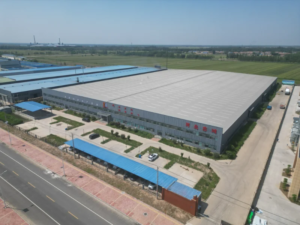
We manufacture HDPE ground protection mats for temporary access and surface protection. The panel dimensions and surface pattern need to match the intended route, traffic and ground conditions.
This guide focuses on the contact surface: how to specify a pattern, distinguish pedestrian from vehicle use, and check the mat surface and joints during use.


Temporary ground protection, not permanent paving
These mats are removable polyethylene panels, not concrete paving slabs or permanent road surfacing. They can separate traffic from grass, soil or a finished surface, but the route still relies on the support beneath the panels.
A ground protection mat is not a trench bridge or a crane outrigger pad. Voids, weak ground and concentrated loads require a separately assessed support solution. Texture or extra thickness alone does not establish the capacity of an installed route.
Choose the mat face for pedestrian or vehicle traffic
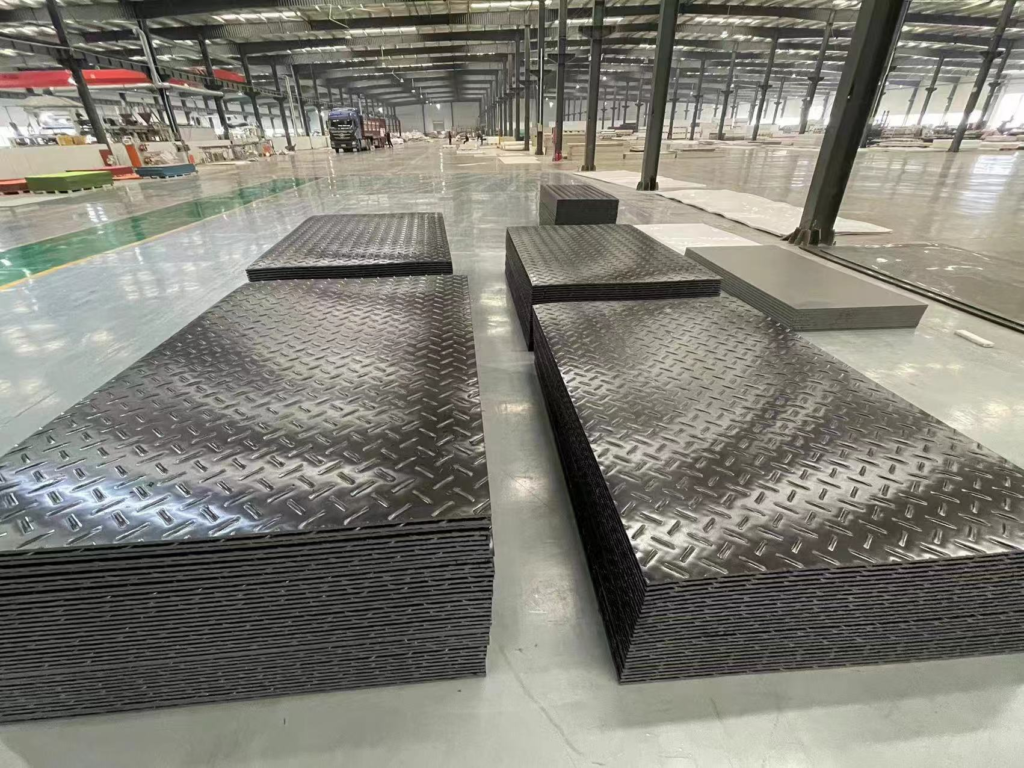
State whether the route will carry pedestrians, wheeled vehicles, tracked machines or mixed traffic. Footwear, tyres and tracks contact a surface differently; a pronounced vehicle tread is not automatically suitable for a walkway.
If different patterns are specified on the two faces, agree which face is uppermost and how the panels are installed. Do not assume that turning a mat over produces an equivalent route. Pedestrian routes also need suitable edge transitions and a review of accessibility requirements.
Raised mat patterns do not guarantee slip resistance
Raised ribs or tread patterns can affect grip, but mud, water, oil, frost, wear, slope and footwear can change the result. A visible pattern is not proof of slip resistance in every condition. Where a project requires measured performance, agree the test method, representative conditions and acceptance criteria for the proposed panel.
For our textured HDPE road mats, include the traffic type and expected surface contamination in the specification so we can confirm the available pattern and any order-specific testing requirements.
Check wheel and track contact on the mat route
Vehicle weight is only part of the assessment. Wheel or track loads, contact area, turning, braking, gradients and repeated passes affect the route. Provide these conditions together with the ground information; a rating on firm ground cannot be applied unchanged to wet or unsupported ground.
Identify steel or rubber tracks and any projecting track shoes. Sharp contact points and pivot turns can damage the surface or move panels. Tracked-machine use therefore needs confirmation for the specific panel, connections and site conditions, not simply an HDPE material label.
Review mat edges, joints and connections
A route is more than a series of textured panels. The site-approved layout should identify ground preparation, panel orientation, compatible connections, edge transitions and traffic limits. During use, check the following:
- Raised edges, gaps, sinking or movement that could trip pedestrians or disrupt vehicle travel.
- Loose, damaged or missing connectors and wear around connection holes.
- Changes in traffic, ground moisture or route condition that call for a new site assessment.
Plan mat use on grass and sensitive surfaces
Mats may reduce direct tyre contact with a lawn, but they do not guarantee that grass, roots or soil remain undamaged. Traffic, moisture, cover duration and ground support all matter. Agree the protection method and inspection schedule with the site team, including when panels must be moved or removed.
Keep the mat surface clear during use
Mud packed between raised patterns can change grip. Include removal of loose debris, cleaning and drainage checks in the site maintenance plan. Cleaning agents and methods must be compatible with the supplied material and the site; do not treat a textured surface as maintenance-free.
Reassess the route after contamination, frost, standing water or noticeable ground movement. Cleaning a panel does not correct inadequate ground support, a damaged connection or an unsafe edge transition.
Inspect ground protection mats before reuse
- Look for cracks, permanent deformation, damaged edges or enlarged handling and connection holes.
- Check for worn or damaged raised patterns and contamination that remains after cleaning.
- Check connectors and handling features against the requirements for the next deployment.
Set damaged panels aside for review rather than returning them directly to service. Reuse depends on panel condition and the next site's requirements; it is not a fixed number of uses or a guaranteed service life.
Match mat handling to panel size and weight
Confirm the dimensions, actual panel weight, handling holes or lifting features, stacking arrangement and unloading method. Manual handling should be assessed for the proposed panel and workforce, not inferred from a general comparison with steel plates.
Our HDPE road mat selection and installation guide covers the wider relationship between panel construction, ground support and route planning. Use the agreed instructions and site-approved plan for the panels supplied.
Agree the HDPE mat surface and inspection scope
For an order, define the material formulation, dimensions and tolerances, pattern on each face, holes, connection details and drawing revision. Surface inspection can check pattern consistency, visible defects and edge condition. Dimensional or visual checks are not substitutes for a load assessment or a required traction test.
Send the mat specification for a quotation
Send the route use, vehicle or pedestrian conditions, ground information, panel dimensions, surface pattern, connections, quantity and delivery destination. Include a drawing or project specification where available.
We will confirm the available panel construction, machining and connection options, packing and lead time in our quotation. The responsible site team retains approval of the installed route, operating limits and maintenance plan.