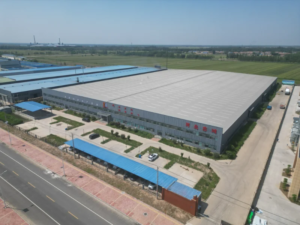
We supply PP, PE and HDPE sheets from our factory in China, with cut-to-size and drawing-based machining options. An export order starts with a clear specification. These five checks help us quote the right material, fabrication work and shipment scope.


1. Define the Material and Finished Part
For PP orders, our PP sheet range is a starting point, not a substitute for a grade specification. Tell us whether you need stock sheet, cut blanks or finished parts. If you are replacing an existing material, send its designation or data sheet rather than relying on color alone.
- Application: describe the load, chemicals, operating temperature, outdoor exposure and any wear or impact requirement. Material suitability depends on these conditions.
- Dimensions: specify thickness, width, length, units and tolerances. Keep stock-sheet dimensions separate from finished-part dimensions and machining allowance.
- Fabrication: include the drawing revision, hole positions, edge treatment and surface finish, plus the number of sheets or parts required.
2. Agree on Samples and Acceptance Criteria
Discuss a representative sample before committing to a bulk order when the material or finish is unfamiliar. We confirm sample availability, dimensions and any sample or freight charges. Keep the approved specification and sample reference with the order so that both sides assess the same requirements.
- Check that the sample represents the proposed material grade, color, thickness and finish; a display sample may not represent your order.
- Agree how thickness, dimensions, flatness and visible surface defects will be checked, and record the acceptance limits that matter to your application.
- For machined parts, identify the critical dimensions and fit checks. Agree any pre-shipment inspection or required records before production.
3. Specify the Evidence Your Application Needs
Tell us the destination market and end use, including the documents or test reports your customer requires. We confirm what is available for the proposed material. A generic “food-grade” or “certified” description does not identify the formulation, test conditions or scope covered.
- Food contact: state the food type, contact time and temperature, and request supporting documentation for the exact material and intended use.
- Flame performance: specify the test standard, classification and test thickness. A UL 94 material rating is not a general fireproof claim or approval for every finished product.
- Substance requirements: distinguish RoHS requirements for electrical and electronic equipment from REACH information and food-contact evidence. An ISO 9001 certificate addresses the quality management system, not the performance of every sheet.
4. Confirm Quantity, Scope and Schedule
MOQ and pricing depend on the material grade, color, dimensions and production quantity. Tell us whether the request is a trial batch, a repeat order or a project purchase. We review material availability and processing work before confirming the offered configuration and production schedule.
- State whether quantity is in sheets, finished parts or weight, and check that the quotation uses the same basis.
- Check which cutting, drilling, machining, finishing and packing operations are included. Changes to drawings or quantities should be reviewed before production.
- Separate the agreed production-ready date from the estimated transport time. Freight bookings, customs procedures and inland delivery also affect the arrival plan.
5. Agree on Packing, Shipping Terms and Documents
Packing should match the sheet dimensions, surface requirements and transport route. Specify any protective film, edge protection, pallet or crate requirement rather than assuming one method suits every order. Confirm package dimensions and weights when planning loading, storage and unloading.
- Agree the package limits, shipping marks and unloading arrangements. If packing photos or inspection records are needed, include that requirement in the order.
- State the agreed Incoterms 2020 rule and named port or place. Clarify responsibilities for freight, insurance and import formalities; a three-letter term alone is incomplete.
- Check invoice and packing-list details with your importer or customs broker. Confirm tariff classification and destination requirements for the actual goods; request origin documents or an SDS where applicable, without treating them as universal approval certificates.
Get a Factory Quote
Send the material and application, thickness and dimensions, quantity and delivery destination, plus drawings for machined parts and any required documents. Discuss your plastic sheet order with us so we can quote the material, processing and packing you need.