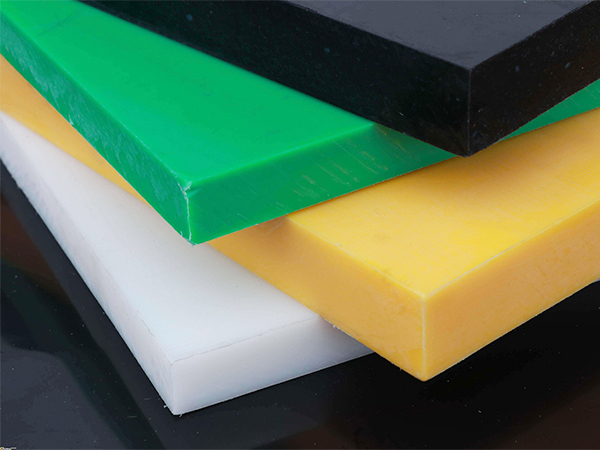
Polyethylene liner boards can be used in chutes, hoppers, bins, transfer points, wear panels and other material-handling assemblies. A board name alone does not establish the grade, wear outcome, chemical suitability, load capacity, service life or approval of the installed system.
For a comparable quotation, describe the actual service, board configuration, support, fixing, inspection and documentation requirements. This guide helps buyers define those inputs without treating every PE liner board as the same material or a universal solution.
A Polyethylene Liner Board Is a Project Component, Not Just a Sheet
A liner board is often supplied as a sheet, cut panel or machined part, then installed within a larger assembly. The finished result depends on the material actually offered, board thickness, support, joint layout, fasteners, adjoining surfaces, material flow and the conditions of use.
- Define whether the order covers sheet supply, cut panels, CNC-machined parts, installation hardware, or only a material proposal.
- Identify the liner function: sliding surface, impact area, abrasion zone, protective panel, noise-control interface or another specified task.
- Keep responsibility for structural support, equipment safety, containment and site approval with the responsible project party.
Start With the Material Flow and Service Condition
Describe the conveyed material, particle size, moisture, flow direction, impact points, velocity, temperature, cleaning method and operating cycle. For a liner, the contact condition can matter as much as the polymer family: a low-impact sliding zone and an impact-loaded transfer point may require different project inputs.
- For bulk solids, provide material type, particle size distribution, impact height, feed direction, likely build-up zones and access for replacement.
- For wet or process equipment, provide the medium, concentration, operating and cleaning conditions, temperature, contact duration and applied stress.
- For outdoor installations, define exposure, fixing arrangement, thermal movement, drainage and the evidence required for the offered configuration.
Specify the PE Material Family Before Comparing Liner Boards
“Polyethylene liner board” can refer to different materials and formulations. Separate HDPE, HMWPE, UHMWPE and any requested modified formulation before carrying a performance statement into an RFQ. The available PE sheet range, the stated scope of HDPE sheet and the UHMWPE application guide can help frame that comparison, but they do not replace the final project specification.
Screen the Board Against the Actual Project Questions
| Project question | Information to provide | Why it affects the liner decision |
|---|---|---|
| Impact and abrasion | Material, particle size, impact location, flow path, speed and replacement access | Wear and impact conditions must be evaluated for the actual zone and panel design |
| Support and load | Support spacing, fastener layout, point loads, board joints and permitted deflection | Thickness is a finished-part design input, not a generic liner rule |
| Medium and cleaning | Chemical, concentration, temperature, contact duration, cleaning method and stress | Compatibility requires the specific medium and offered formulation |
| Fabrication and acceptance | Drawing revision, tolerances, holes, edges, colour, inspection and documents | Suppliers can price the same scope only when acceptance conditions are defined |
This table supports procurement review; it is not a substitute for engineering approval of an installed liner system. Where a failure could affect personnel, containment, structural support or regulated operation, the responsible project party must set the applicable design and acceptance criteria.
Define the Offered Board, Formulation and Evidence Scope
Record the grade or resin basis, colour, thickness, board dimensions, surface, any required virgin or recycled-material policy, and the approved sample or drawing reference. If a property is important, ask what formulation, test method, specimen condition and scope the available document or declaration covers.
Do not combine unrelated requirements under a single product label. UHMWPE, UV stabilisation, food contact, flame behaviour, antistatic performance, low friction and a particular chemical service can each require separate verification.
Liner Board Design Inputs for Different Zones
Impact and transfer zones
Show the impact location, incoming direction, backing structure, panel joints, fastener pattern and replaceable areas. A material name or nominal board thickness alone cannot confirm the suitability of a transfer-point lining.
Sliding and flow zones
Describe the material flow, contact surface, pressure, speed, moisture, temperature, build-up concern and cleaning condition. Where flow performance is important, agree how the project will evaluate it rather than promising an outcome from a general surface description.
Panels, joints and service access
Show panel edges, butt joints, overlaps, unsupported spans, drainage, inspection openings and the method for replacing a panel. These installation details can have more effect on the completed liner than a broad comparison of material names.
Fixing, Thermal Movement and Installation Interfaces
Show hole positions, clearances, slot direction, washer or backing arrangement, edge distance, support spacing and adjoining materials. Long panels, restrained fasteners and unsupported edges need to be reviewed before production. Do not leave decisions about movement, drainage and interface fit to site installation.
If bonding, welding, printing or coating is required, define the intended process, surface preparation, load condition and acceptance test. A liner board should not be assumed to accept every joining or finishing system without validation for the actual assembly.
Fabrication, Tolerances and Drawing Control
For cut or CNC-machined liner panels, provide the final drawing revision, finished dimensions, functional tolerances, holes, cut-outs, edge condition, visible faces and inspection points. The custom plastic part guide outlines the type of RFQ information that lets a supplier assess cutting or machining scope while preserving the purchaser’s approval responsibility.
Chemical, Food-Contact, Outdoor and Temperature Claims Need Specific Scope
Do not approve a liner by relying on generic claims that PE is chemical-resistant, food-grade, UV-resistant or suitable at a named temperature. Identify the exact offered grade, colour, formulation, medium, test or declaration, destination market and completed-part condition to which the evidence applies.
For chemical equipment, compare the board, assembly geometry and joining scope with the chemical-processing selection guide. The responsible engineering party must review critical service separately.
Set Inspection, Packing and Traceability Before Production
- Agree the measurement points for thickness, dimensions, holes, panel layout, surface, colour reference and critical features.
- State whether a sample, first article, photographs, material declaration, data sheet, test record or third-party inspection is required.
- Define film protection, edge protection, pallet or crate support, labels, destination, Incoterm and project-specific marking.
What to Include in a Polyethylene Liner Board RFQ
- Equipment or part function, material handled, service environment and consequence of failure.
- Required PE grade or evidence, colour, board thickness, dimensions and surface.
- Impact, abrasion, flow, load, support, temperature, medium, cleaning and outdoor exposure as applicable.
- Drawing revision, cut or machining scope, holes, joints, fasteners, inspection, documents, packing, quantity and destination.
Frequently Asked Questions
Are all polyethylene liner boards UHMWPE?
No. “Polyethylene liner board” can be used for different PE grades and formulations. Identify the offered material and review it against the actual project condition rather than assuming a specific molecular-weight range.
Can a material data sheet approve an installed liner system?
No. A data sheet can describe the stated material and test scope, but it does not approve panel support, impact loading, fasteners, joints, containment, installation or the final system function.
What should be reviewed before replacing a steel liner with PE?
Review the actual material flow, impact, support, mounting, operating temperature, deflection, wear condition, safety requirements and acceptance basis. A material substitution should be approved for the finished application, not from a general comparison statement.
Request a Polyethylene Liner Board Quote
For a project review or quotation, send the service condition, material requirement, board thickness, drawing or panel dimensions, quantity and destination. Zhihong Plastic can review available supply configurations, machining scope, documentation request, MOQ, lead time and packing against the final specification.